Yuliia Strykovska
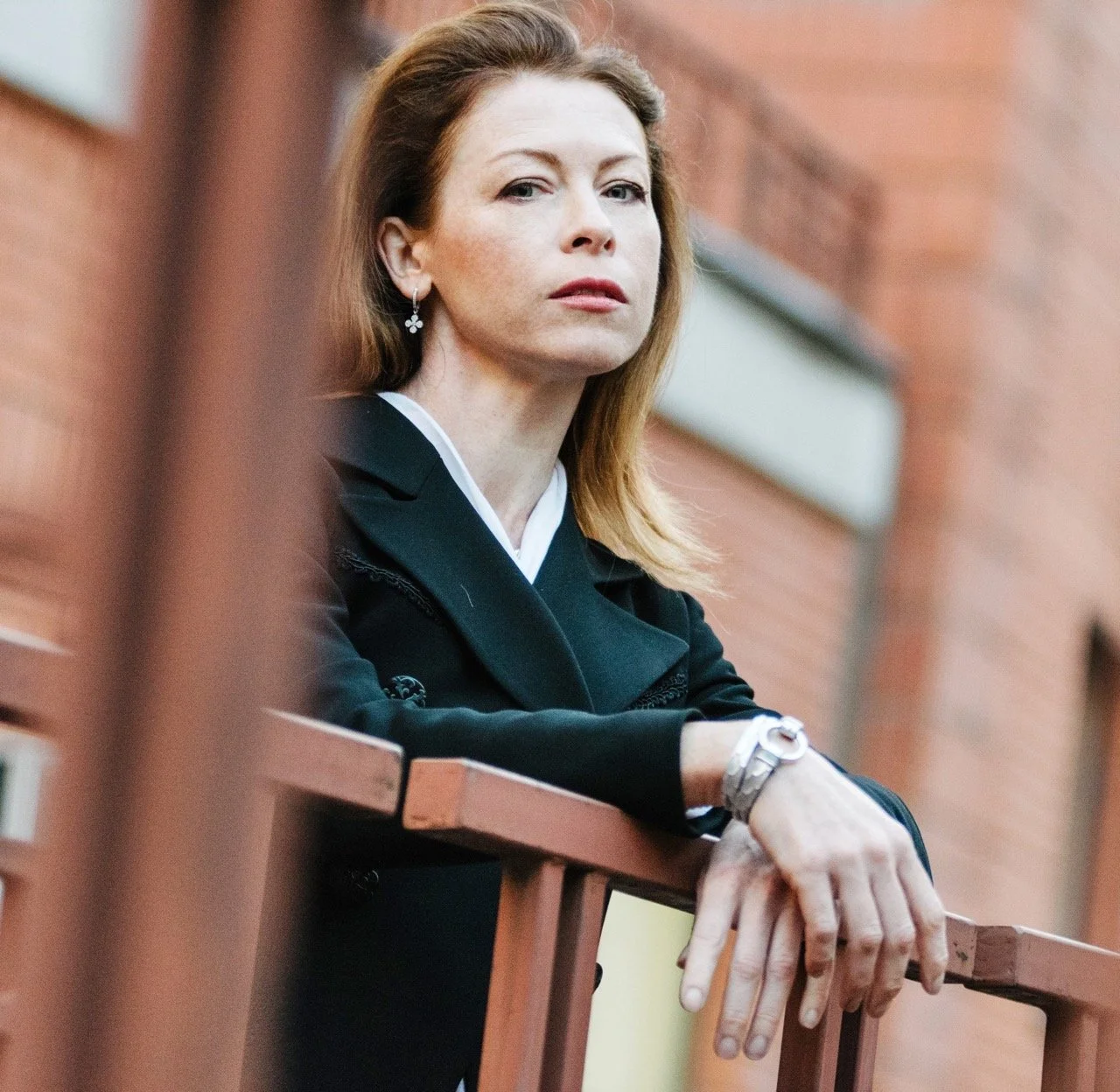
Artist and curator from Kyiv, Ukraine, currently based in Vienna, Austria.
Formal Education: Master of Law; Master of Business Administration.
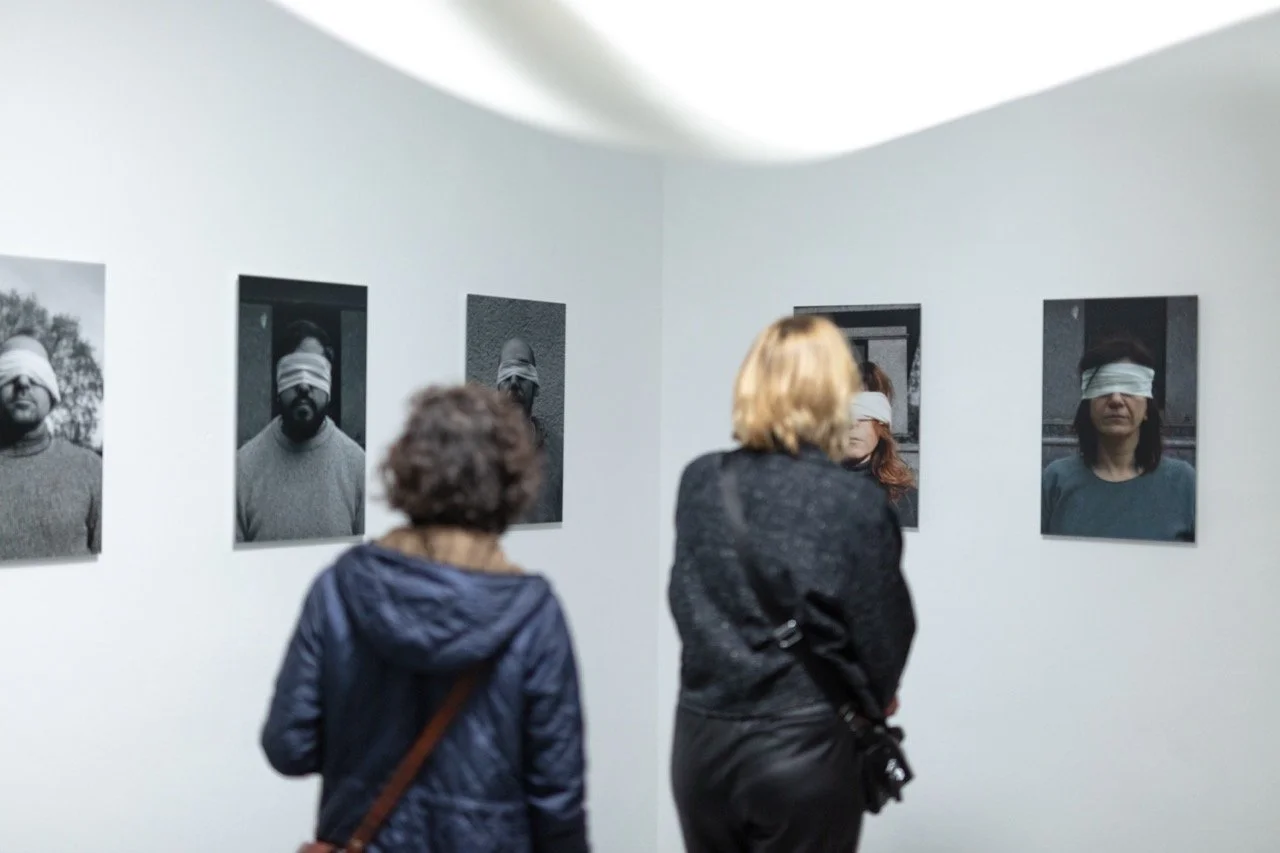
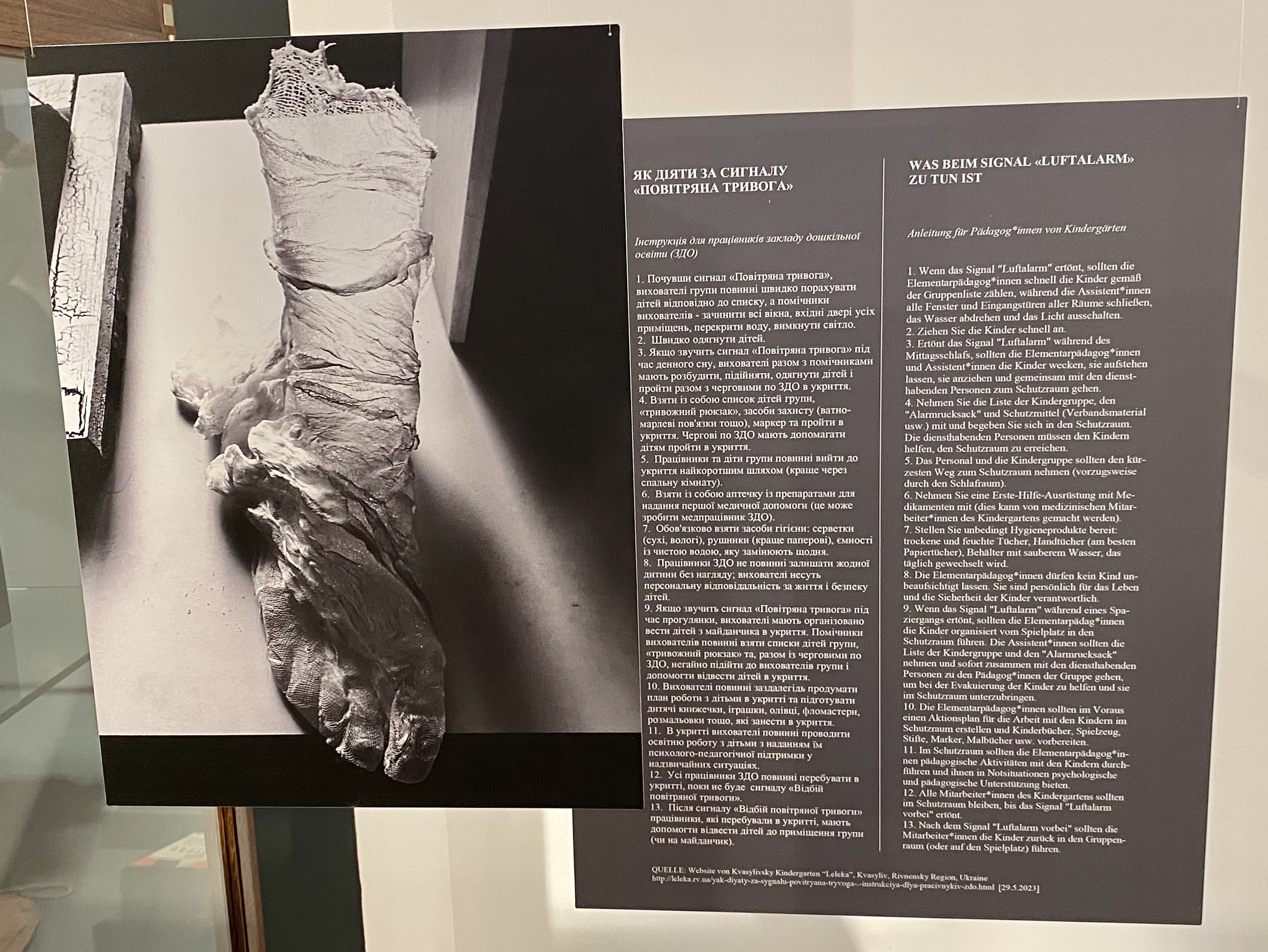
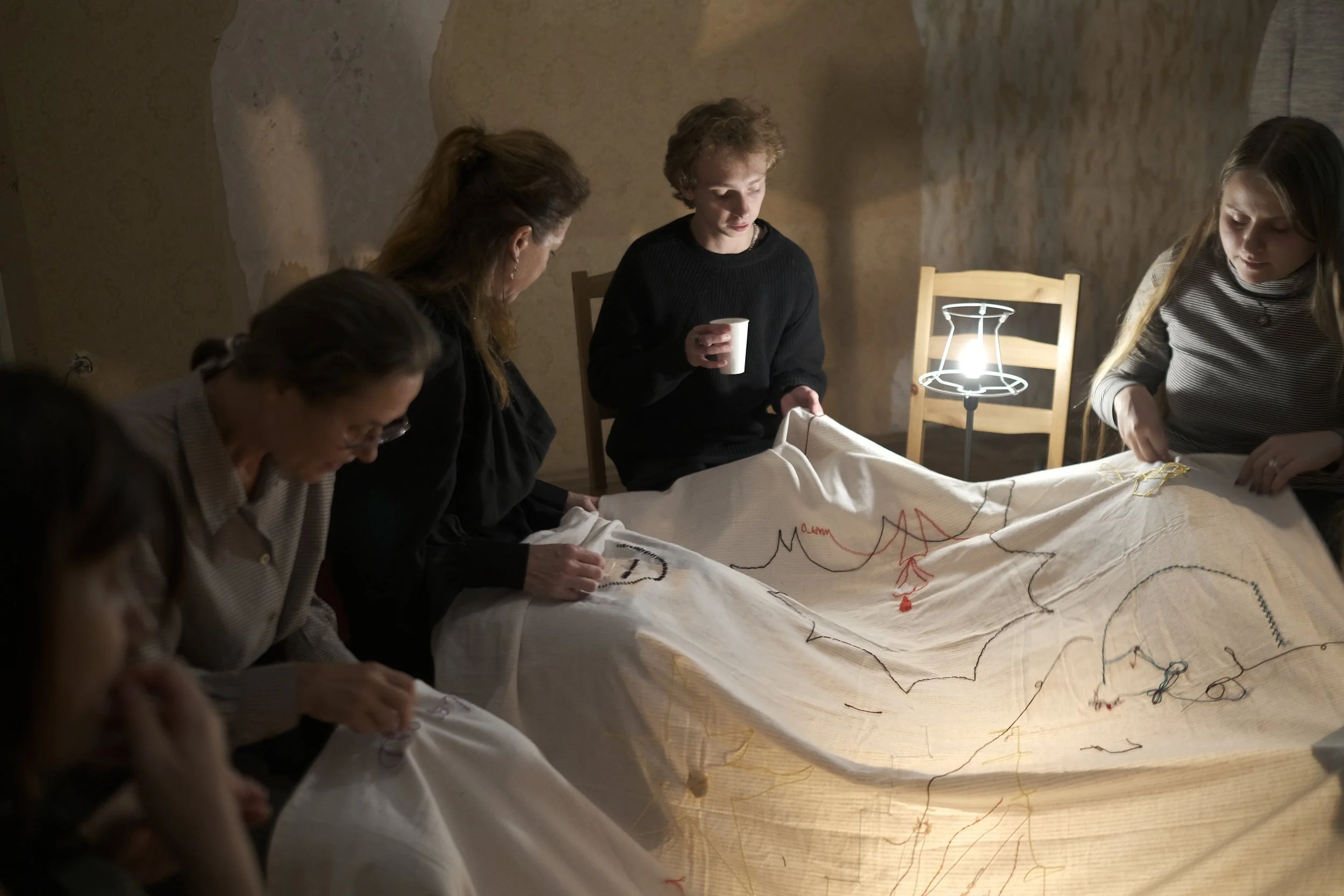
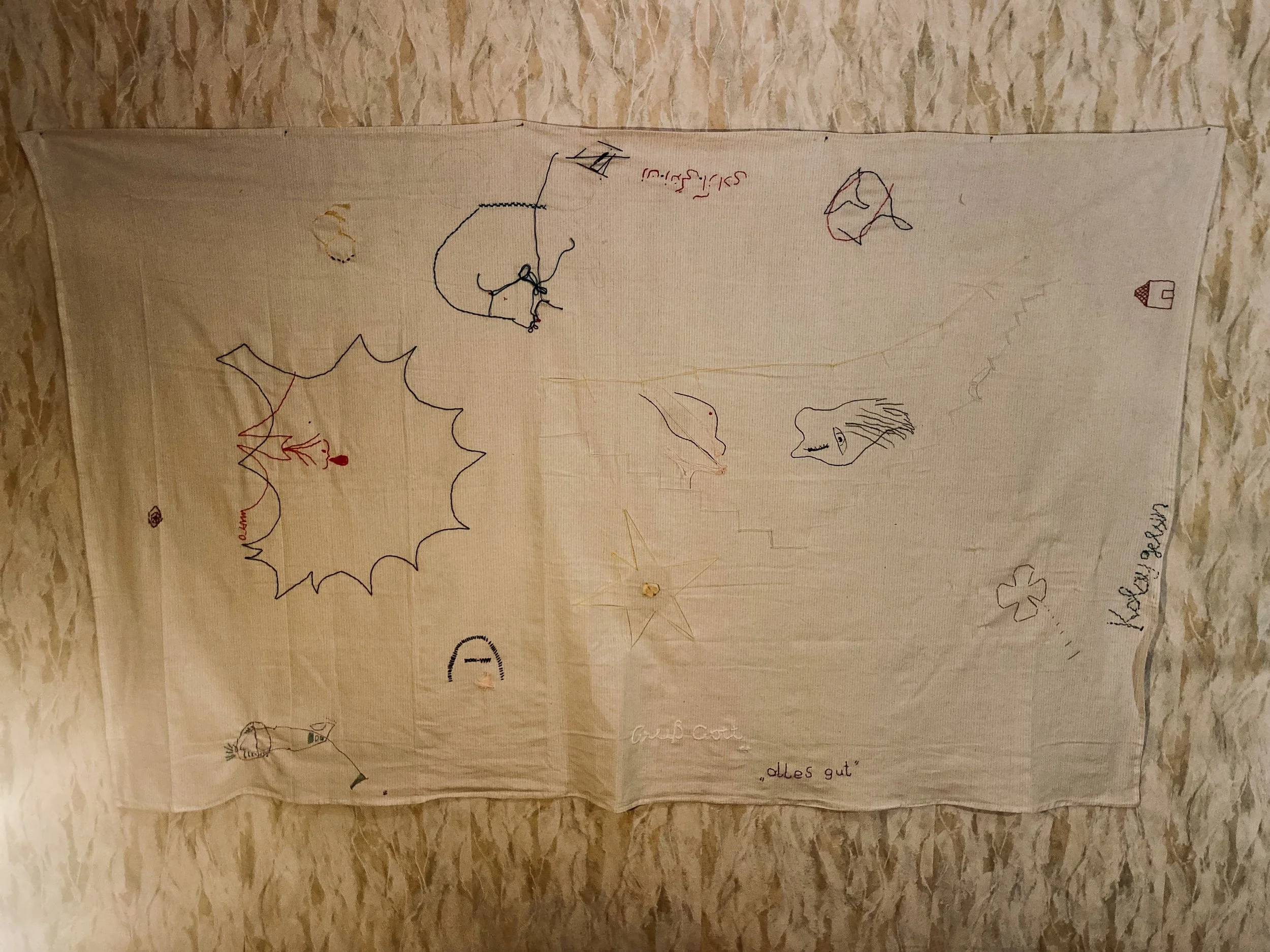
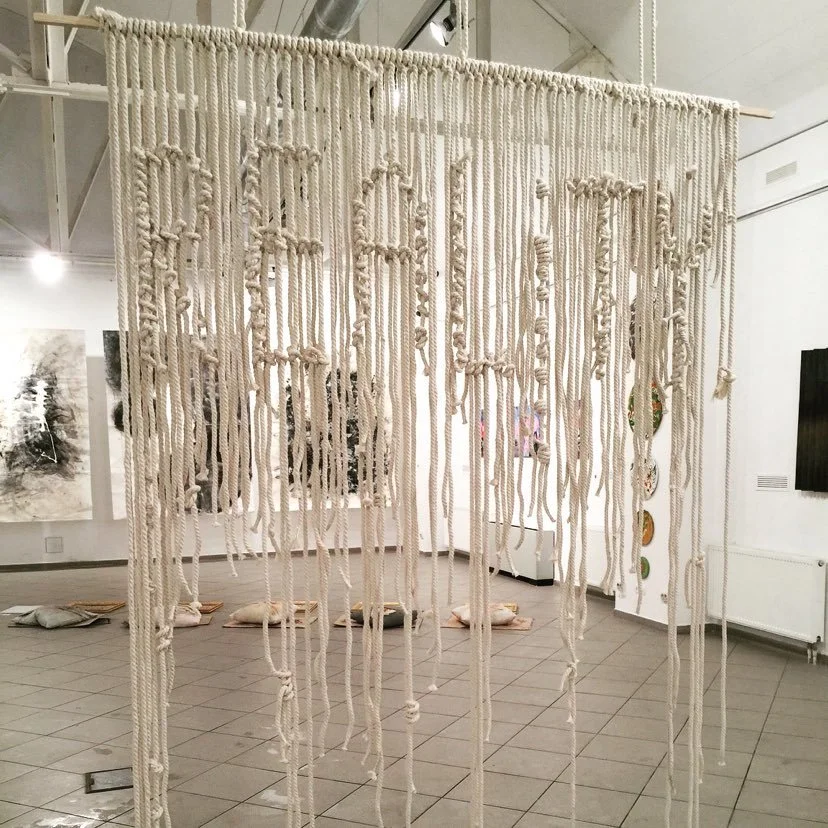
With over 20 years of experience in legal practice, I have developed a transdisciplinary, research-based artistic practice since 2012. My work primarily engages with textiles and text, exploring language as a vehicle for creating and transforming reality, producing experience, and generating knowledge.
A central focus of my research-based artistic practice is the relationship between art and law as two human practices: the ways in which they intersect, overlap, complement, contradict, or challenge one another. My practice investigates questions of justice, equality, human dignity, freedom, and the mechanisms through which social realities are constructed, regulated, and contested.
In Vienna, I participated in the transdisciplinary artistic-research project Navigating Dizziness Together (FWF Peek, AR 598) at the University of Applied Arts Vienna (2022 – 2023), continuing to establish a dialogue between the practice of art and law to determine their value and impact in both personal and societal contexts (link: Enjoy Your Rights).
Participated in solo and group exhibitions in Austria, Ukraine, Germany, and Latvia, both as an artist and curator.
“Imagine if we cultivate the value and empower the meaning of human rights through sensory perception and emotional connection, leading to a reliance on these rights.”
Practice gives the words their meaning, as Richard Shusterman cited Ludwig Wittgenstein, and such practice involves agreement ...in form of life. There is no better way to get the sense than from experiencing it in practice. Acquiring knowledge through practical experience and bodily perception, rather than just pure thinking, leads to a practice-based understanding.
Imagine if we cultivate the value and empower the meaning of human rights through sensory perception and emotional connection, leading to a reliance on these rights. Art, as a practice that engages the senses and elicits emotions, could be the means to achieve this. Emotions play a crucial role in orienting us towards objects and others. Thus, perceiving the law and human rights through the prism of art can not only aid in exercising our rights but also cultivate a deeper and more personal connection with them, resulting in a greater understanding of ourselves and others. Furthermore, participatory artistic practices foster a growing sense of solidarity, defined by Roberto Esposito as the result of increasing emotional or traditional attachment. This sense of solidarity and the ability to create new senses through collective imagination are key elements of art’s social value, which is highly relevant for my artistic research and practice.