Khadisha Dabayeva
Khadisha Dabayeva (b. Almaty, Kazakhstan) is a cross-disciplinary artist and researcher working between Central Asia and Europe. With a background in engineering, her practice spans installation, moving image, textiles, and participatory methods. She investigates materials as physical substances and cultural witnesses, tracing how microscopic matter, environmental processes, and embodied knowledge become entangled. Through material experimentation, archival research, and forensic inquiry, she explores the politics of evidence, revealing how scientific and institutional frameworks shape what becomes visible, remembered, or ignored. Dabayeva holds a BA and is completing an MA in Cross-Disciplinary Strategies at the University of Applied Arts Vienna.
“Dust settles. Wool entangles. Paper absorbs. Air circulates. These physical behaviours are not metaphors but collaborators. ”
My practice begins from in-betweenness: between places, disciplines, temporalities, and ways of paying attention. Working across installation, moving image, textiles, mapping, writing, and participatory practices, I explore how materials move through bodies, landscapes, infrastructures, and political systems, carrying traces of each encounter.
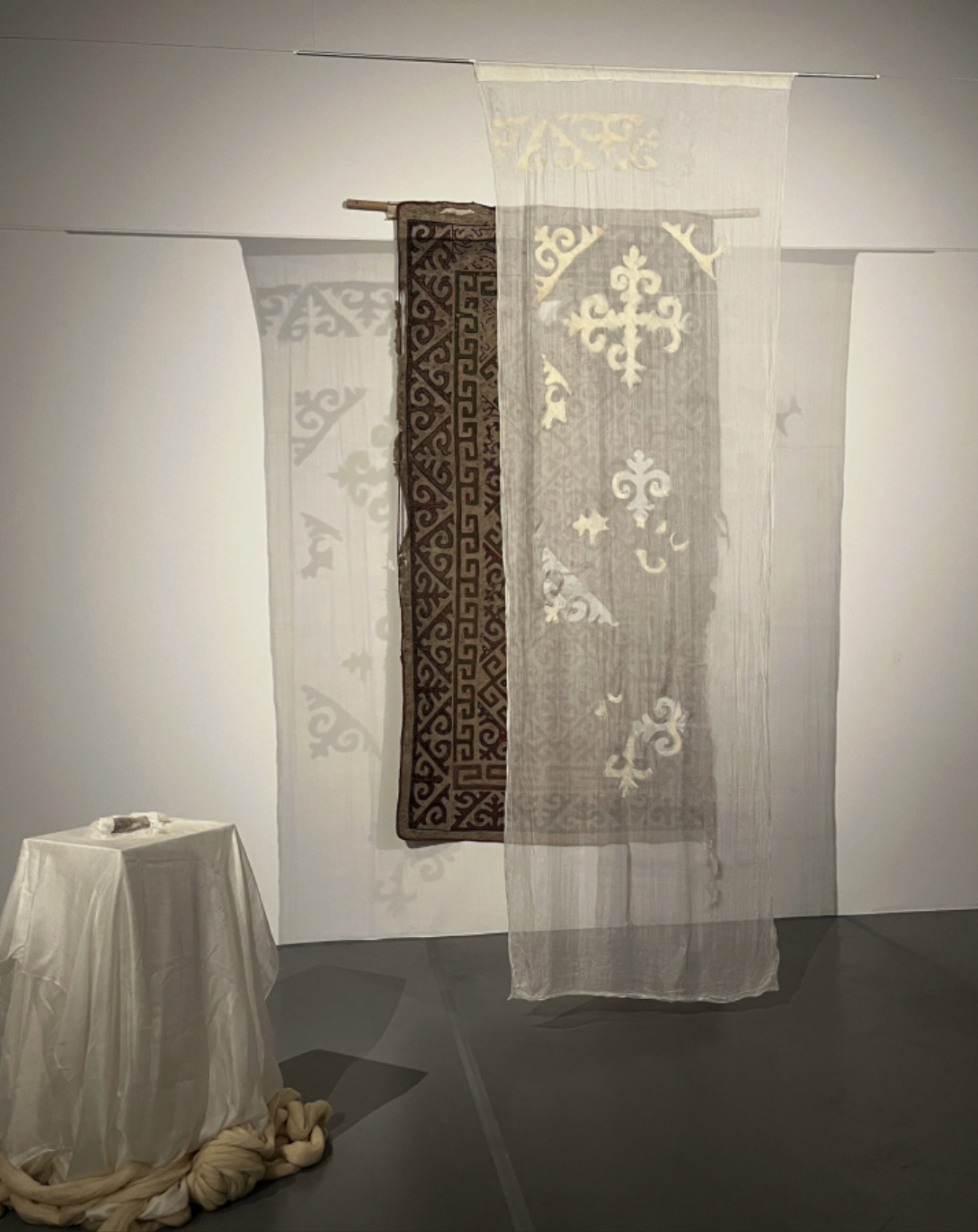
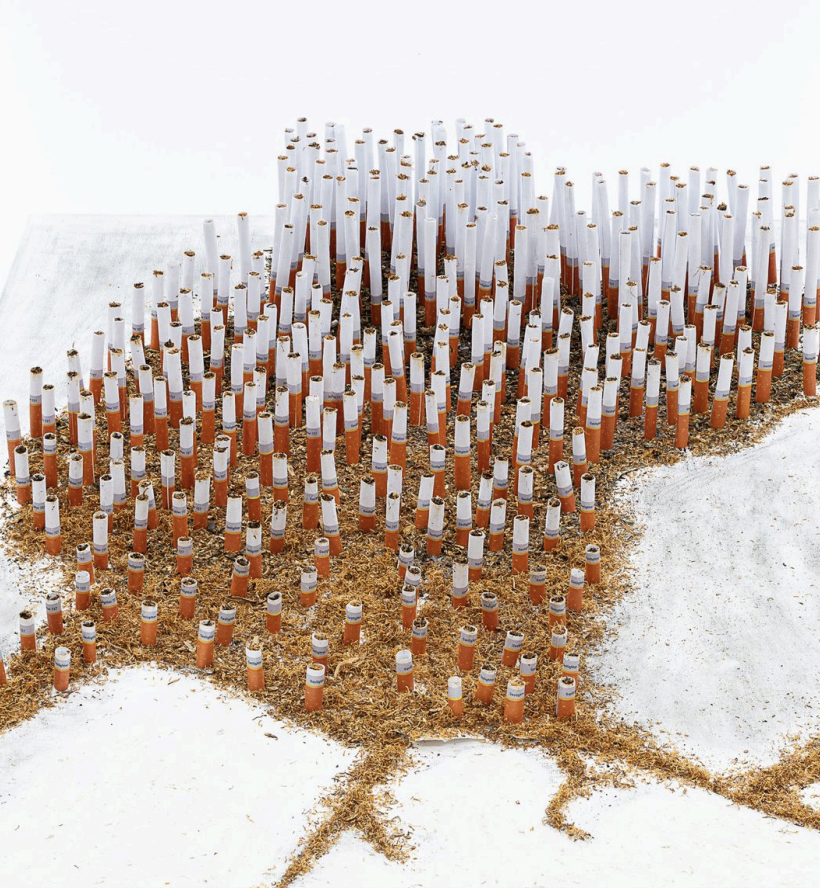
The work often begins with something ordinary and easily overlooked: a fibre of wool, a particle of dust, a single word. Small enough to escape attention, each carries a history that extends far beyond itself. A dust particle may begin as coal buried beneath the steppe before being extracted, burned, carried by wind, inhaled into lungs, and settling again onto a windowsill. Wool grows on sheep shaped by a particular landscape, water, and grazing routes before becoming felt and remaining in use across generations. Even a word shifts as it moves between languages, institutions, and lived experience, accumulating meanings while losing others. By following these trajectories, I move between microscopic, embodied, and societal scales, asking not only where materials come from, but how they are transformed, translated, and remembered.
Growing up in Almaty taught me to read the atmosphere before I had the language to describe it. Coal smoke, mountain winds, exhaust, and later tear gas belonged to the same air, yet each was measured, regulated, and narrated differently. Later, moving between Kazakhstan and Austria, and from engineering into art, did not mean leaving one discipline behind for another. Instead, it changed the way I observe. Engineering taught me to attend to systems, measurement, and material behaviour; art taught me to remain with uncertainty, contradiction, and what resists quantification. Together, they continue to shape how I work.
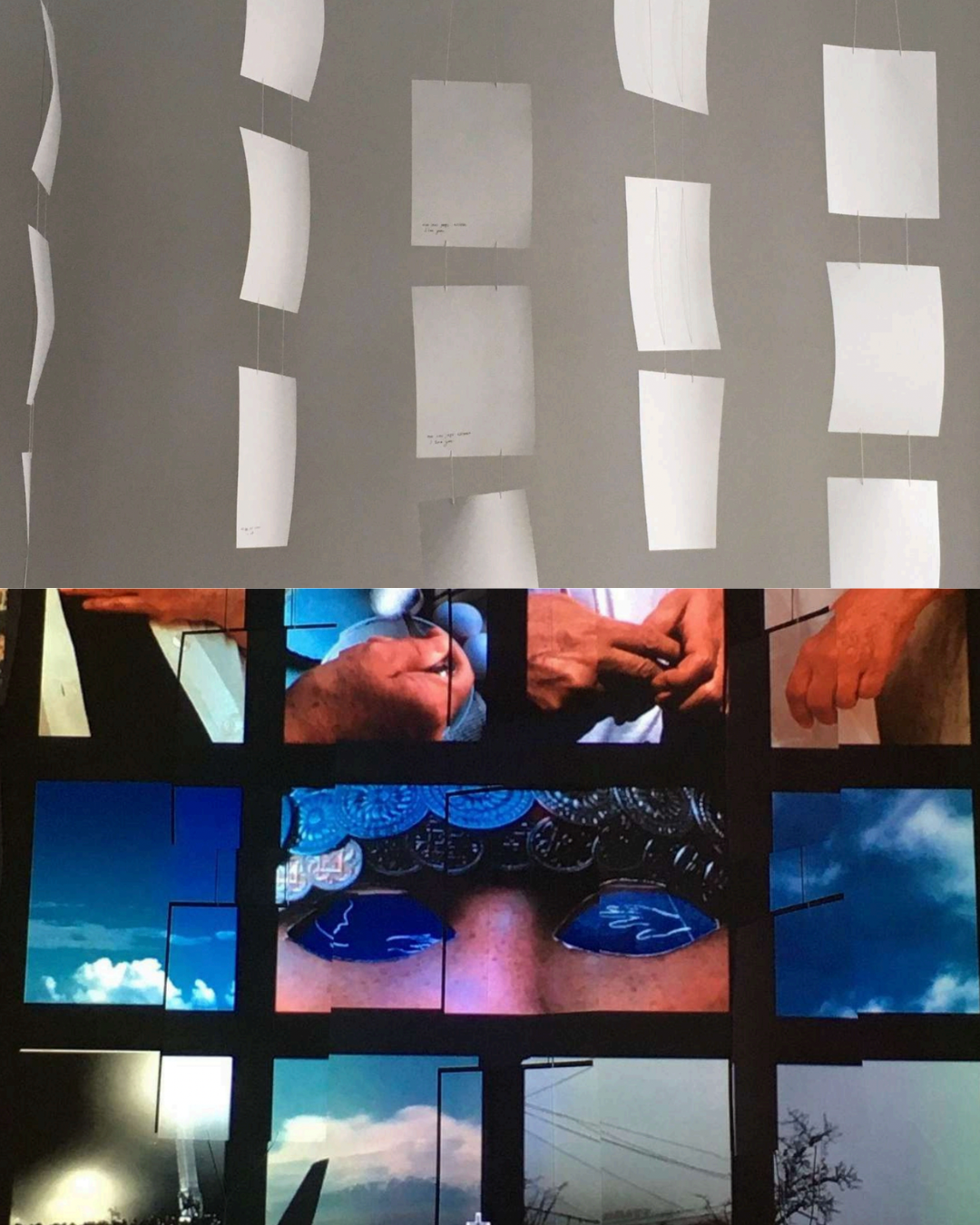
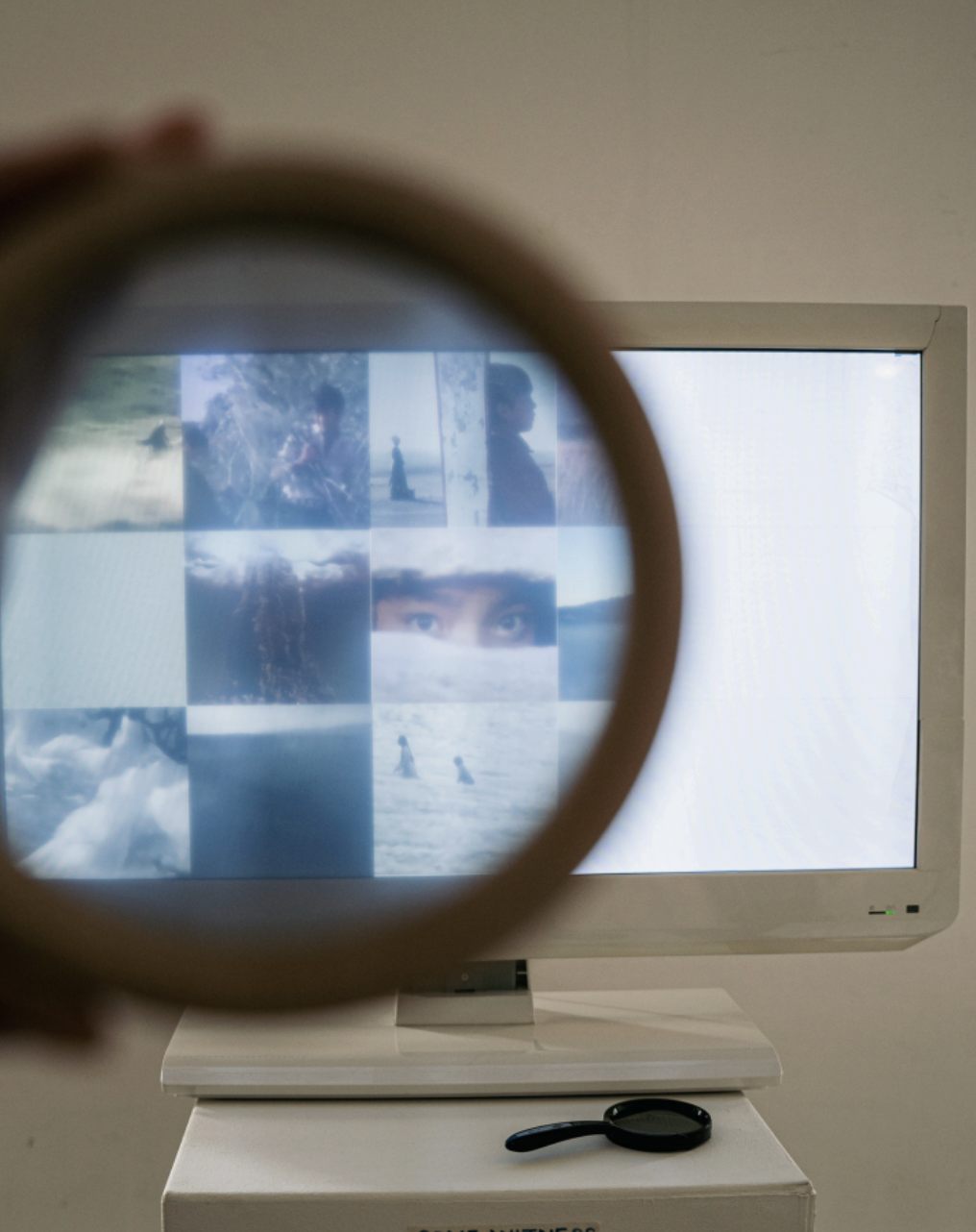
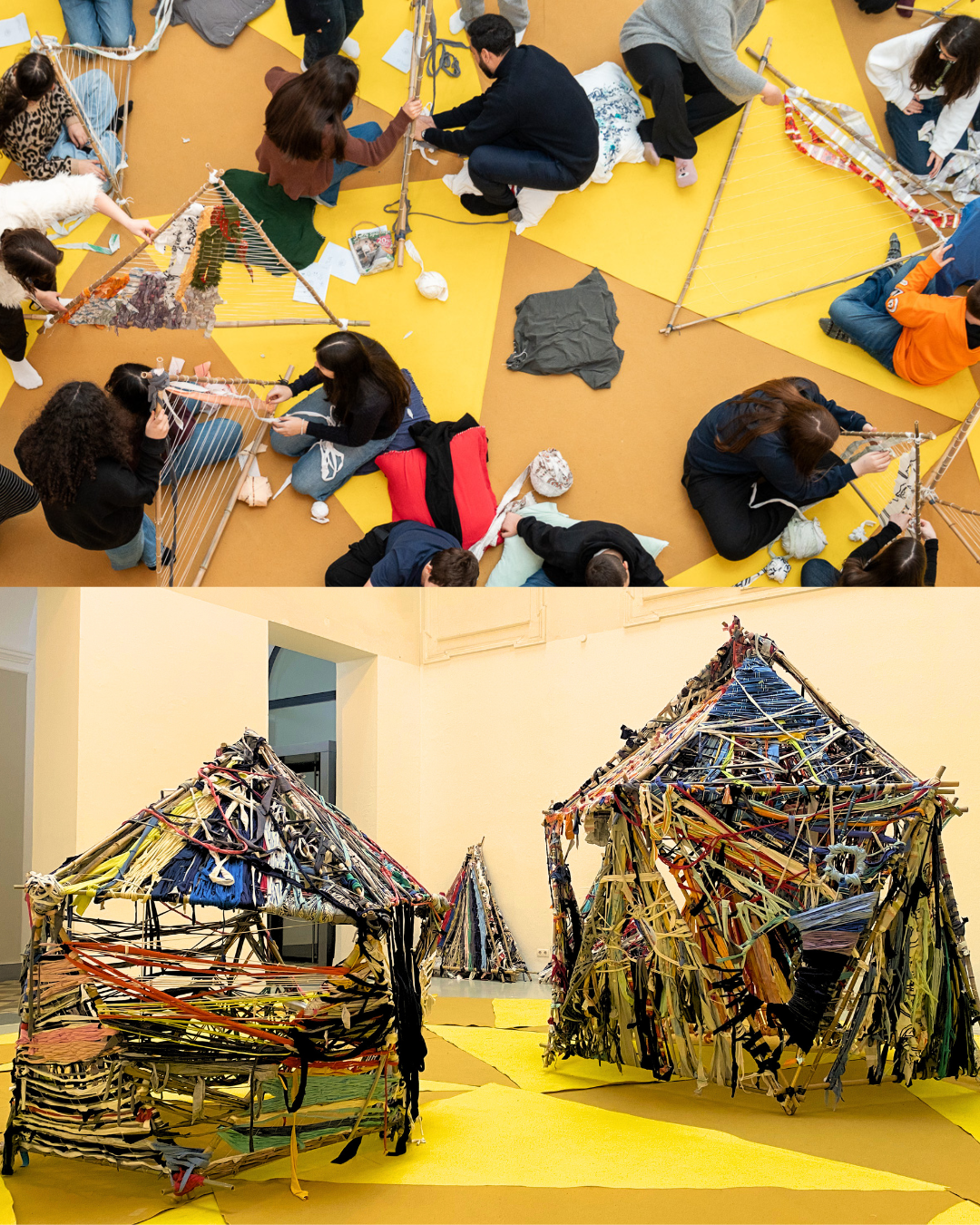
Scientific observation, archival research, interviews, poetry, and material experimentation become parallel ways of following the same material journey. Rather than illustrating research, the resulting installations create environments where different forms of evidence, memory, and experience encounter one another. Dust settles. Wool entangles. Paper absorbs. Air circulates. These physical behaviours are not metaphors but collaborators. They shape the work as much as the stories they carry, revealing how environmental harm, inherited knowledge, migration, and political histories become embedded within everyday matter.
Making, for me, is a way of following materials from the microscopic to the immaterial, tracing how matter carries memory.