miao fangping

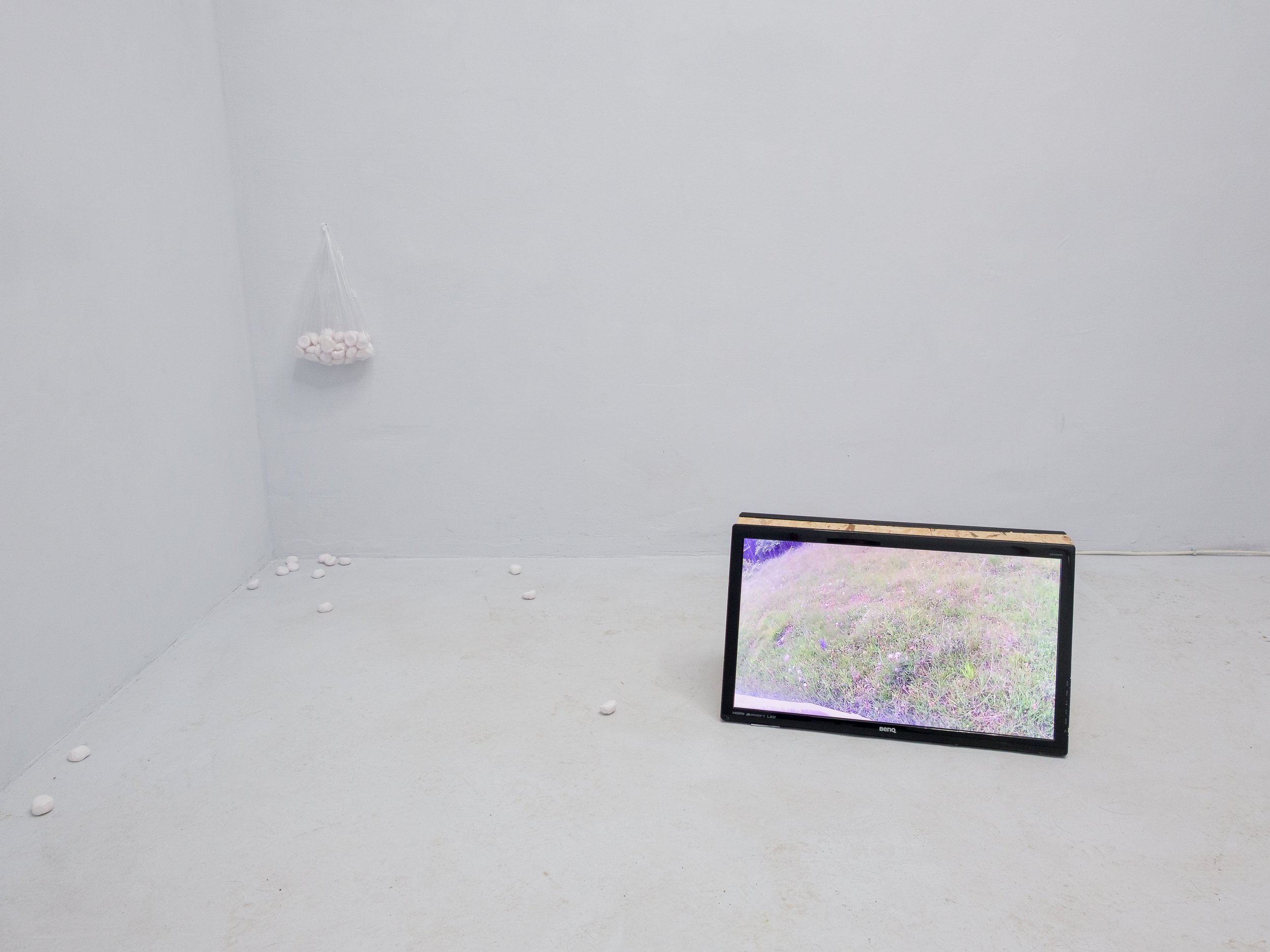
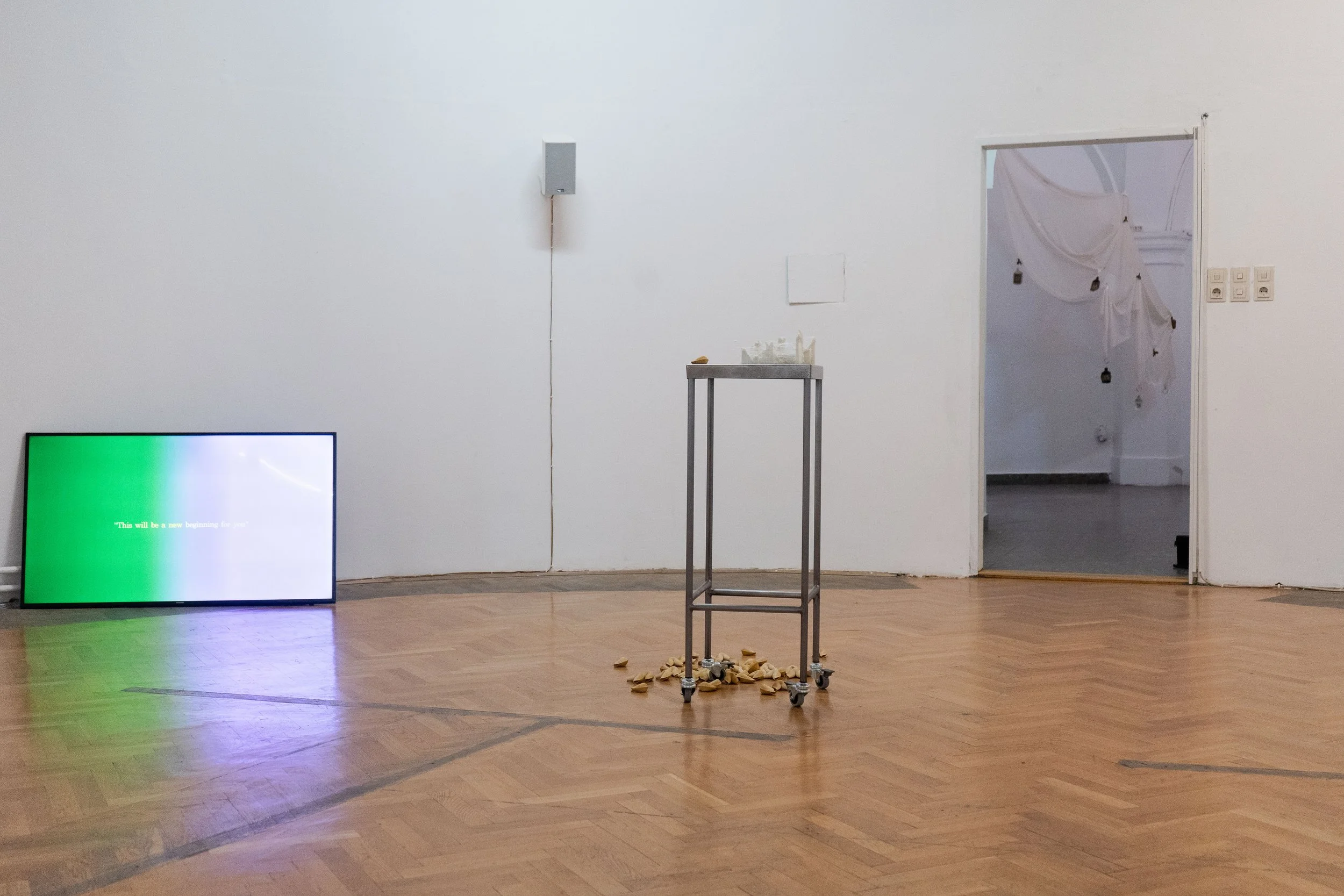
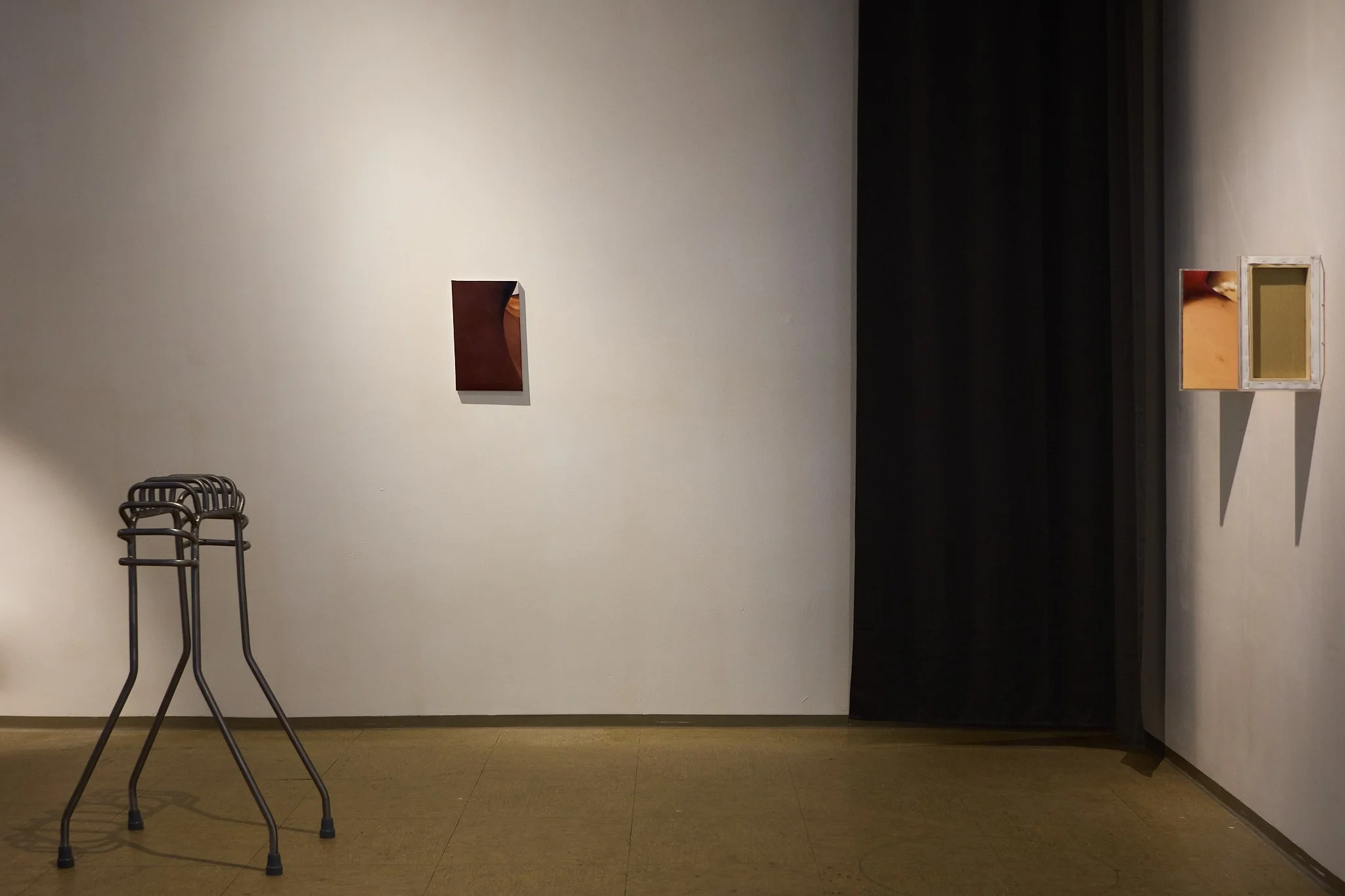
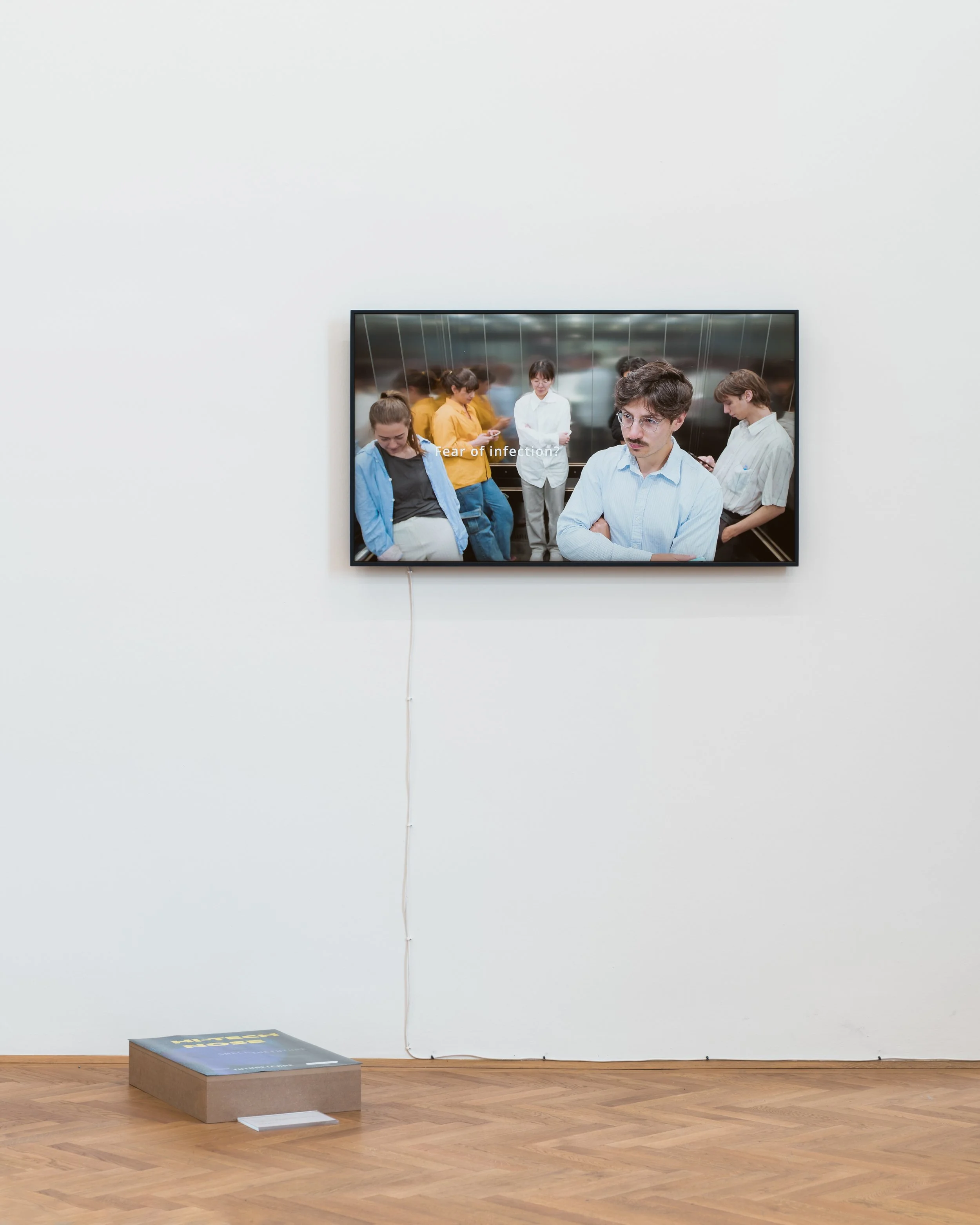
Miao Fangping (China, Fujian/Austria, Vienna) is a multidisciplinary artist, based in Vienna. Working across installation, video, and performance, their practice is rooted in lived experience, exploring the intersections of identity, technology, and power. Drawing from experiences across cultural, linguistic, and social contexts, their work examines how bodies navigate and are shaped by social structures, while also questioning the notion of the “human” in an increasingly techno-digital world. Their works have recently been presented at institutes and venues including Kuntsverein (AT), DASWEISSE HAUS (AT), Belvedere 21 (AT), Size Matters Space for Art and Film (AT), Barvinsky gallery(AT), and volksmuseum Graz(AT) among others.
“(...) how the notion of the “human” is formulated and reshaped in an era defined by networks, artificial intelligence, and digital mediation. ”
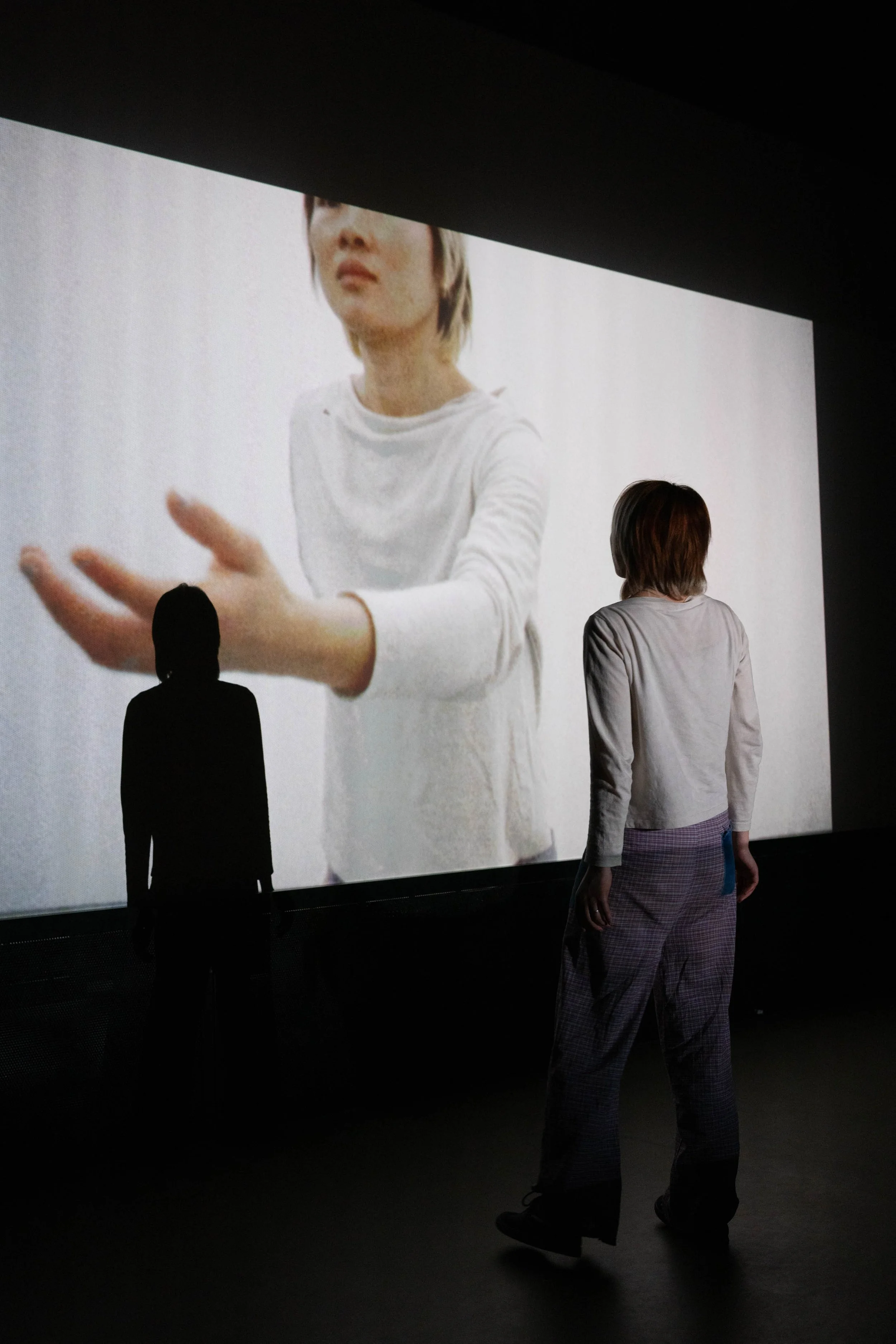
Working across installation, video and performance, my practice is rooted in lived experience while engaging with broader philosophical and socio-technical questions.
My work develops from an embodied condition of mobility, shaped by the experience of moving across cultural, linguistic, and social contexts. It reflects how a mobile being navigates in the patriarchal, racialised, and capitalist systems while constantly negotiating belonging, visibility, and translation. In parallel, the work turns toward ontological questions about how the notion of the “human” is formulated and reshaped in an era defined by networks, artificial intelligence, and digital mediation. These personal and systemic dimensions remain intertwined, each continually informing and reframing the other throughout my practice.
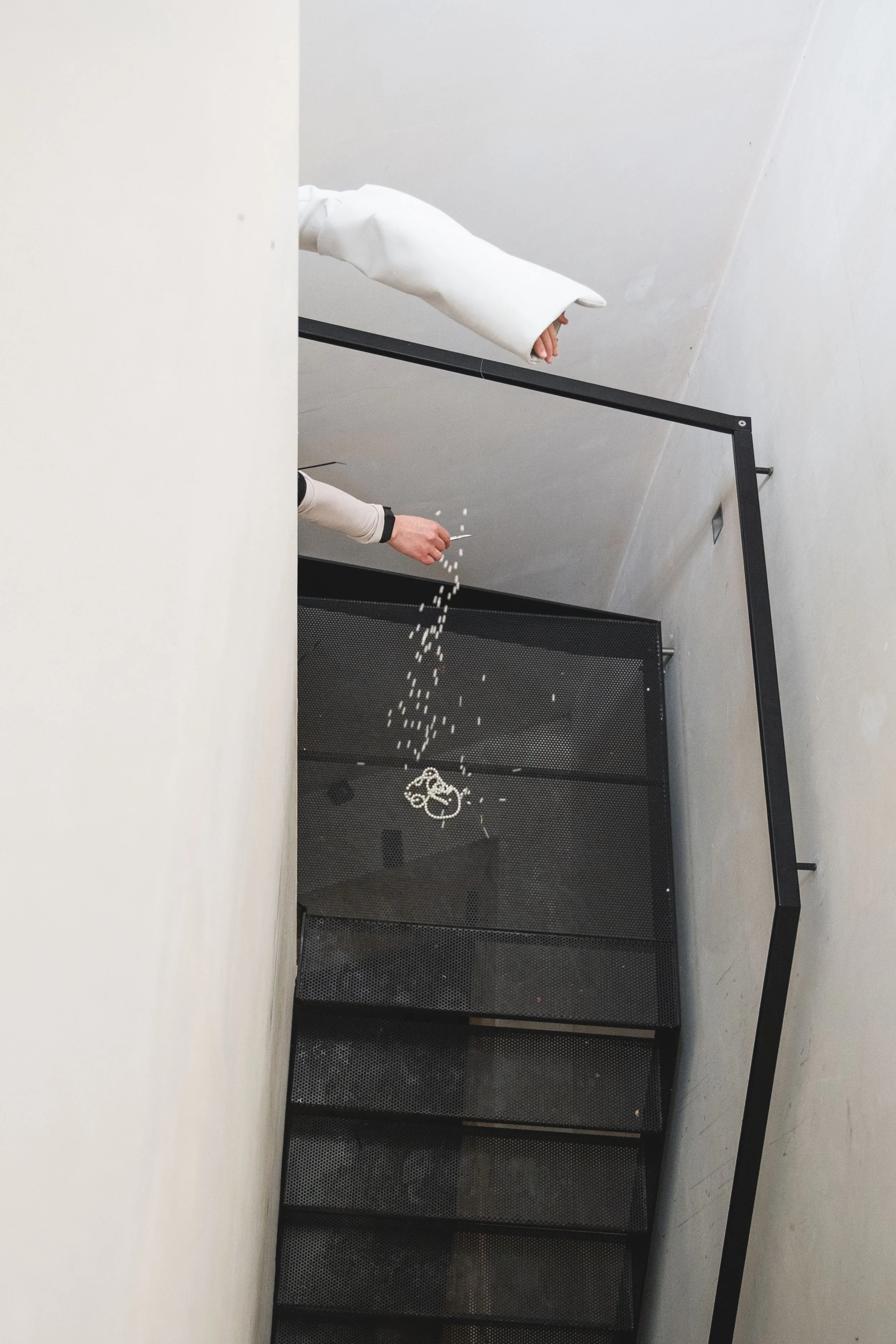
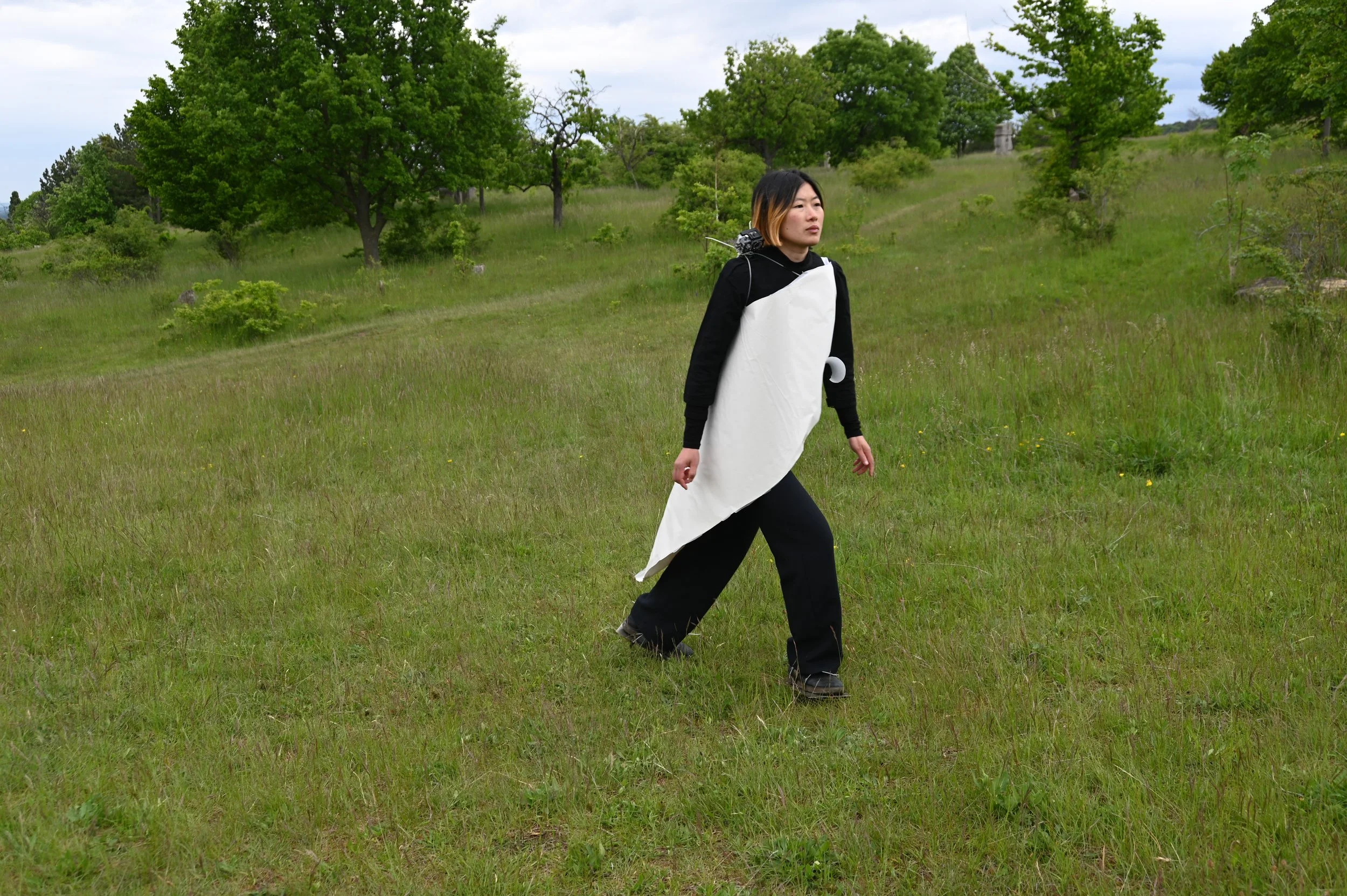
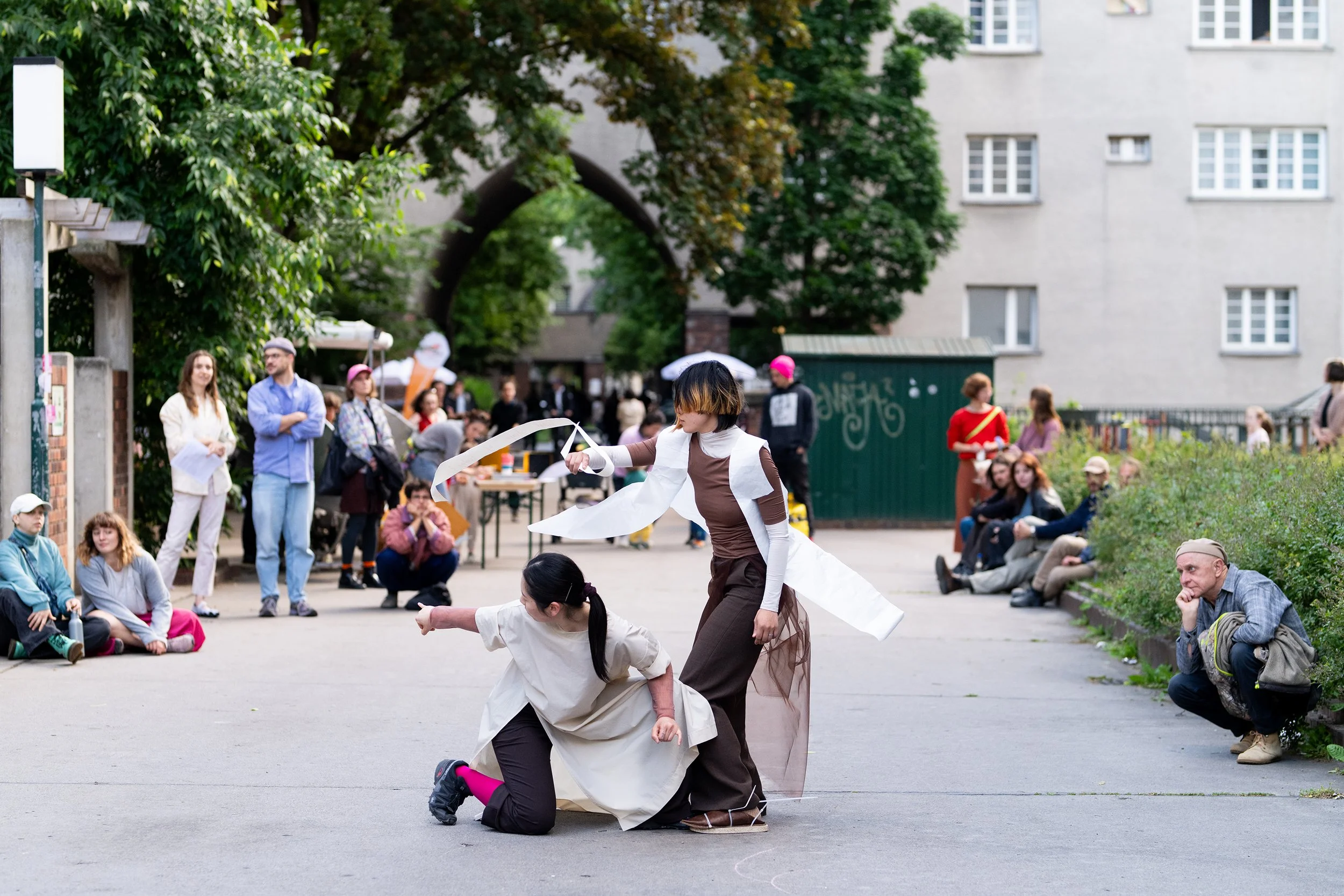
I employ the body as both material and method in performance and installation, investigating how bodies are inscribed, disciplined, and regulated by social structures while also exploring the states of being, resistance, transformation, reconfiguration, as well as their relationship to time and space.
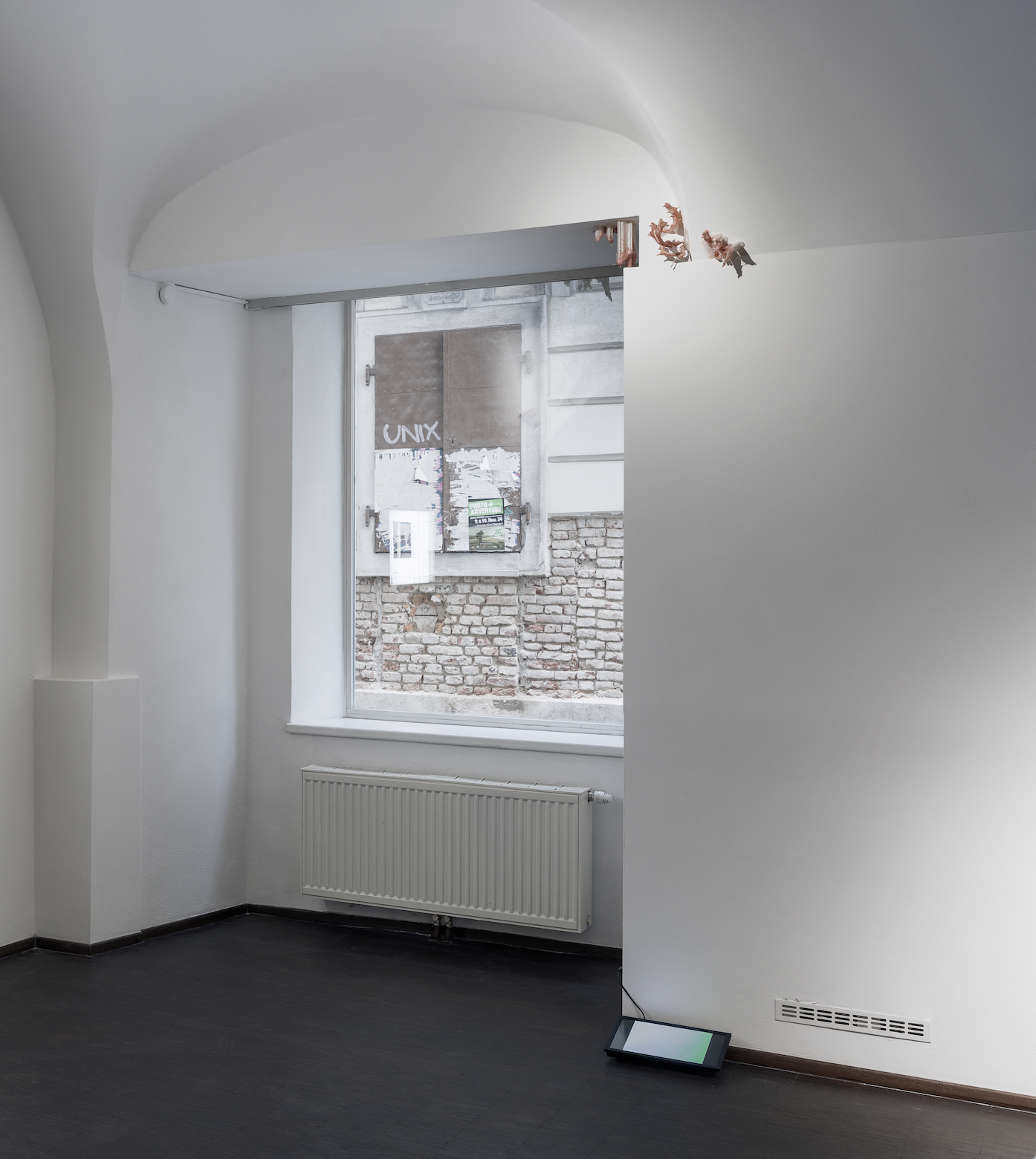
Often working site-specifically, I situate artistic inquiries in relation to space, responding to its architectural, historical and social conditions to shape both the works and viewers’ experience with it.