Patrícia Peixoto
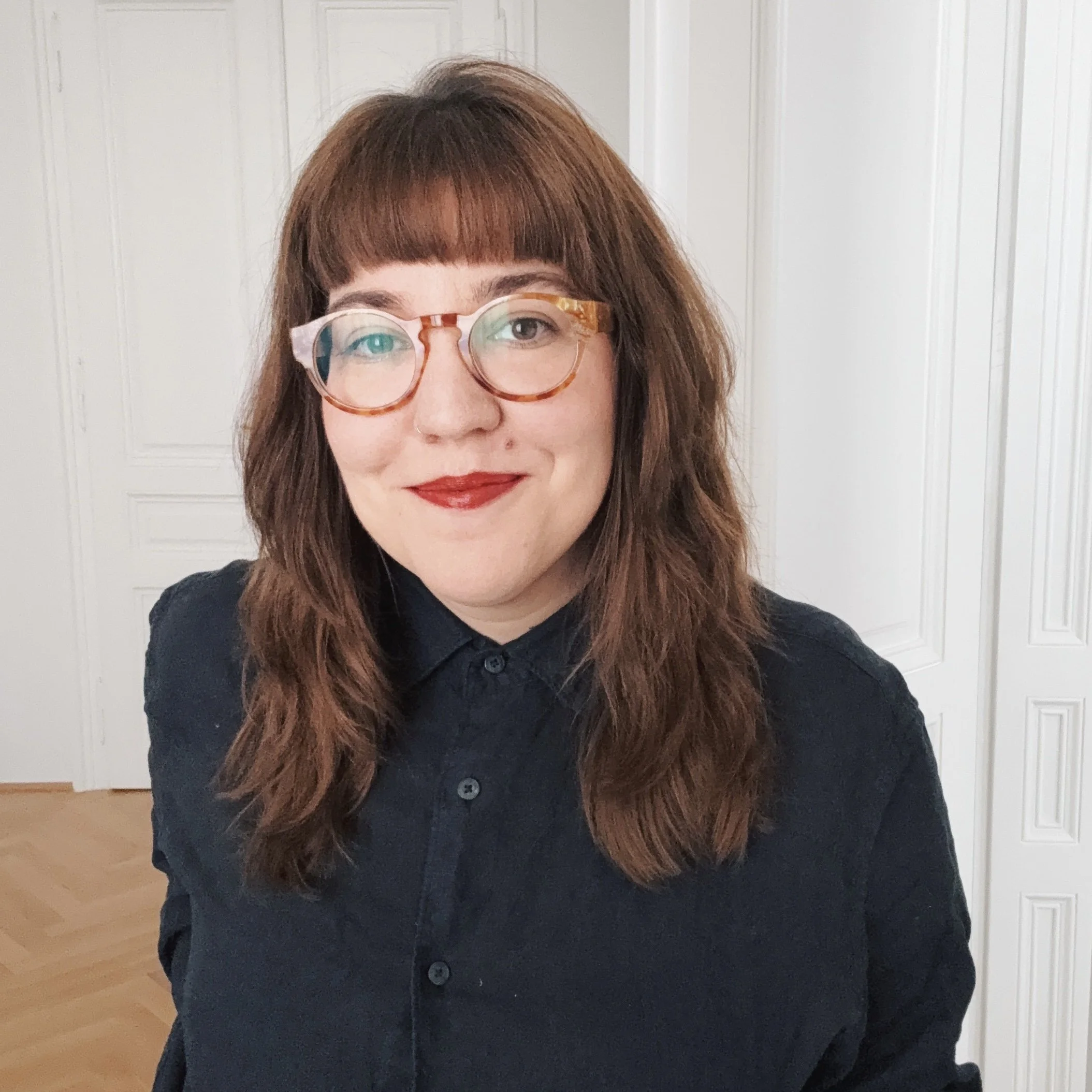
Patrícia Peixoto (Rio de Janeiro, Brazil, 1991) develops a transdisciplinary, research- based artistic practice engaging cultural narratives, archival inquiry, and material culture. Having lived and worked across Brazil, Portugal, China, and now Austria, she approaches visibility, memory, and power as culturally situated processes embedded in objects and images. Her work employs estrangement and wonder as epistemic strategies, using artistic research to interrogate dominant systems of representation and imagine alternative modes of knowing.
She holds a Master’s degree in Design from the Institute of Arts at the University of Brasília (UnB), Brazil. Her work has been presented in exhibitions in Brazil, Portugal, and Colombia. She currently lives and works in Vienna, Austria
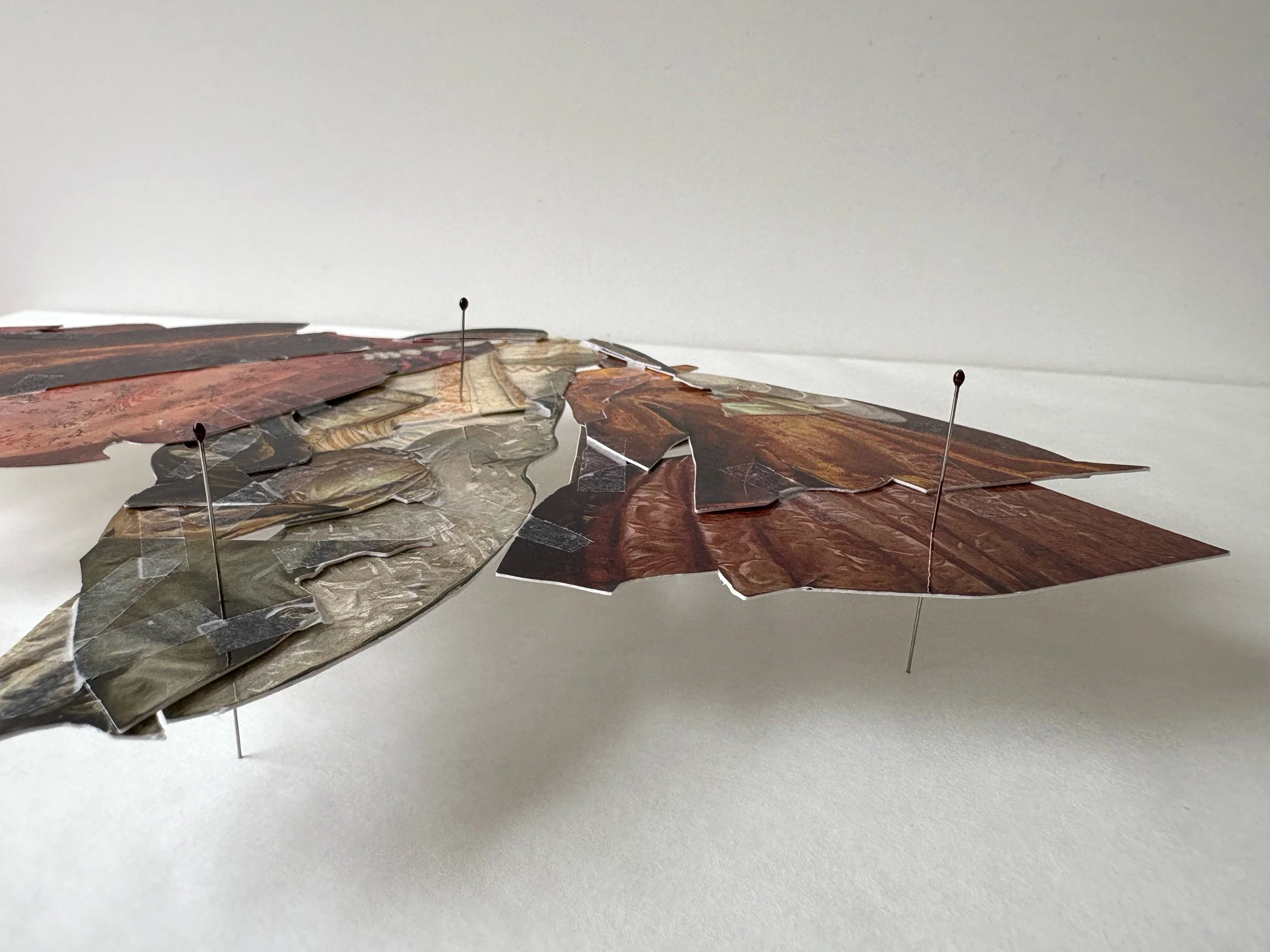
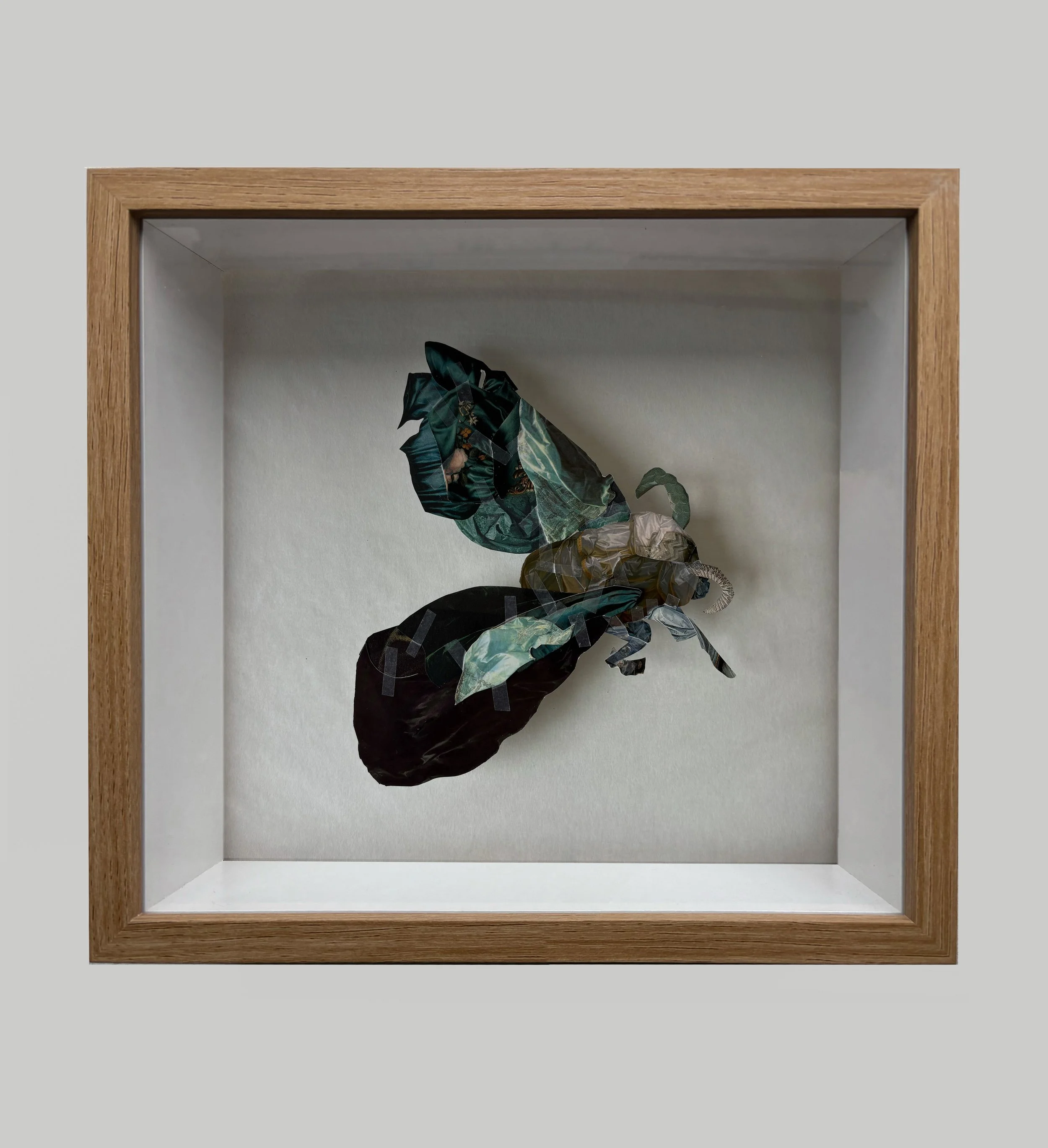
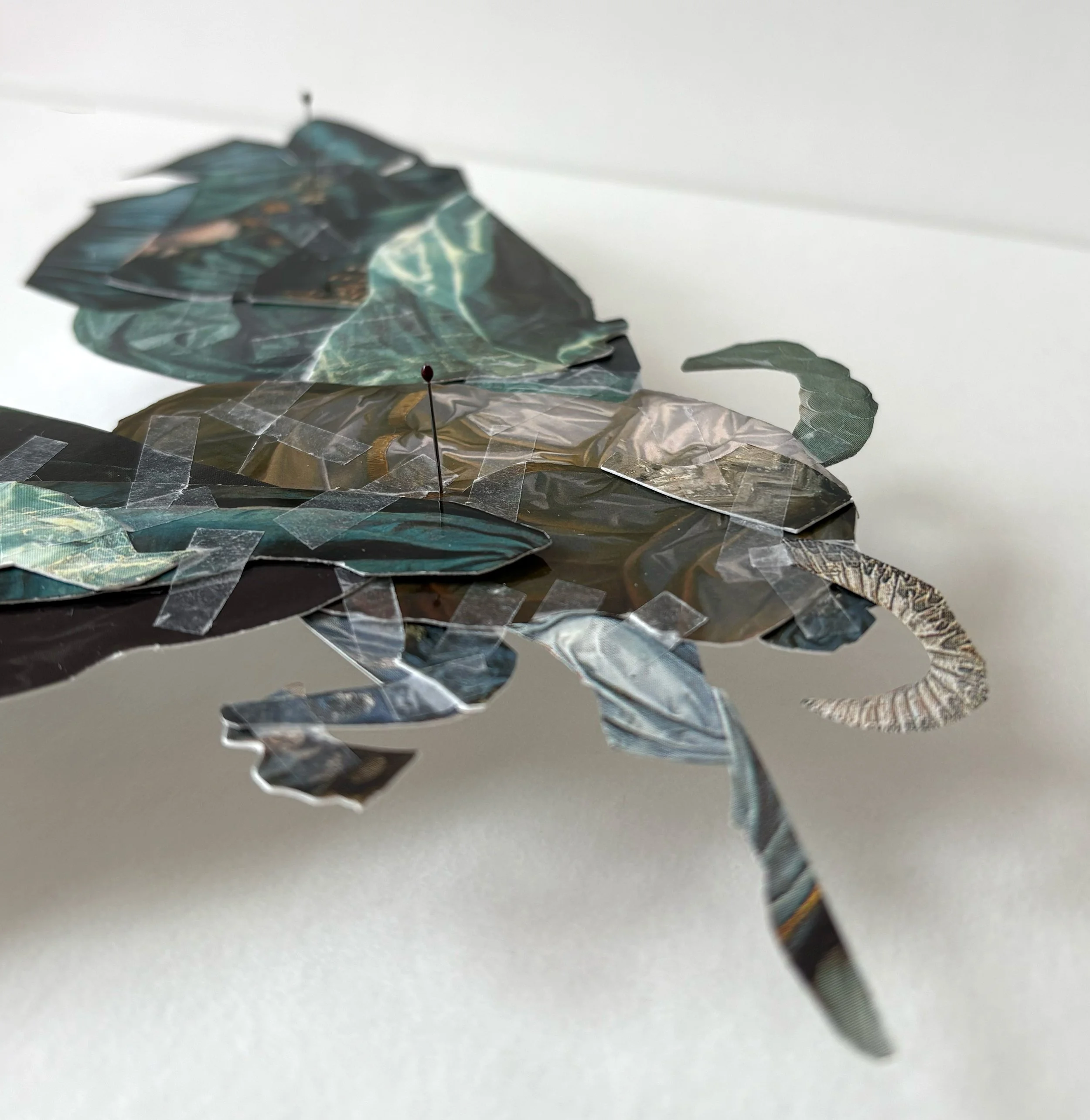
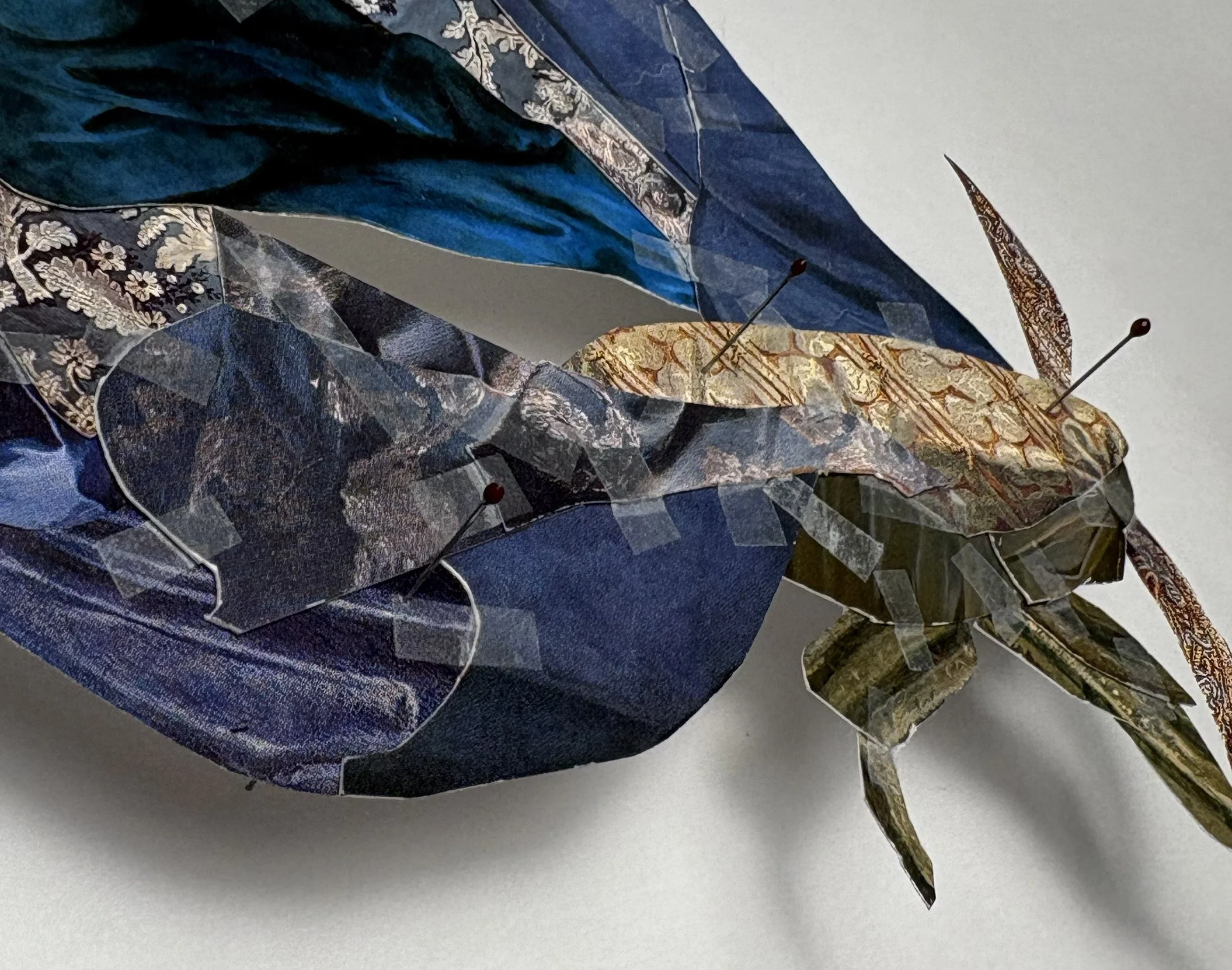
“My process often involves making visible what would otherwise remain unseen. ”
When I moved to another country for the first time, I realized that the same question can be understood in radically different ways. During an academic exchange in Portugal, language was not a barrier, yet I was struck by how, even within a shared language, there was a profound gap in worldviews surrounding the same histories, particularly in relation to the narratives connecting Portugal and Brazil. It became clear to me that both answers and questions are shaped by historical and cultural positions.
More than ten years later, while living in China, I encountered another kind of displacement. At that time, I was deeply engaged with discussions on coloniality, modernity, and decolonial thought, the theoretical framework that grounded my Master’s dissertation in Design and Anthropology at the University of Brasília. I was already attentive to how Western modernity systematically silences ways of living situated at the margins of hegemonic processes. Still, I was confronted with an unexpected moment. In a porcelain class, I realized I was the only person who could recognize a butter dish. Butter is not part of the Chinese dietary base, nor of its breakfast tables. For the first time, I found myself in the position of estrangement, facing a situation where what was familiar to me was unfamiliar to others. This moment profoundly reshaped my understanding of perspective.
From then on, I became interested in the possibility of shifting the center of narratives. What appears trivial to me but unfamiliar to others? Which objects carry unnoticed histories? What becomes visible when the center of a story is displaced toward its margins? I came to understand estrangement as a method of artistic inquiry.
My path has been marked by successive experiences of displacement. I have lived and worked in different regions of Brazil, in Portugal, in China, and currently in Austria. My background at the intersection of design and anthropology has helped me make sense of these movements, as well as the recurring processes of enchantment and estrangement they produce. The questions I ask in relation to what I encounter are a way of engaging with hegemonic narratives, searching for what interrupts them, what provokes curiosity, what deviates from the whole and opens space for other stories to emerge.
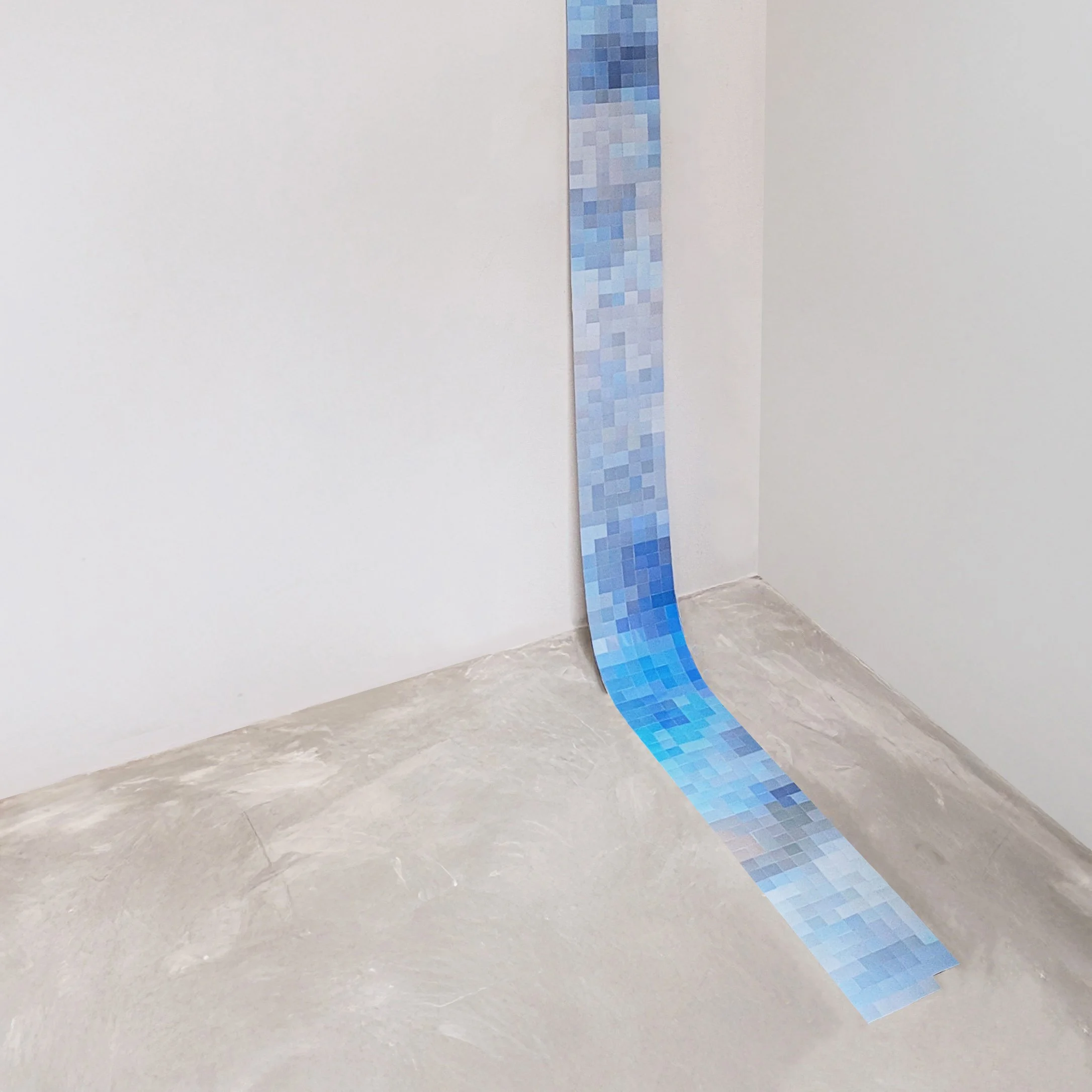
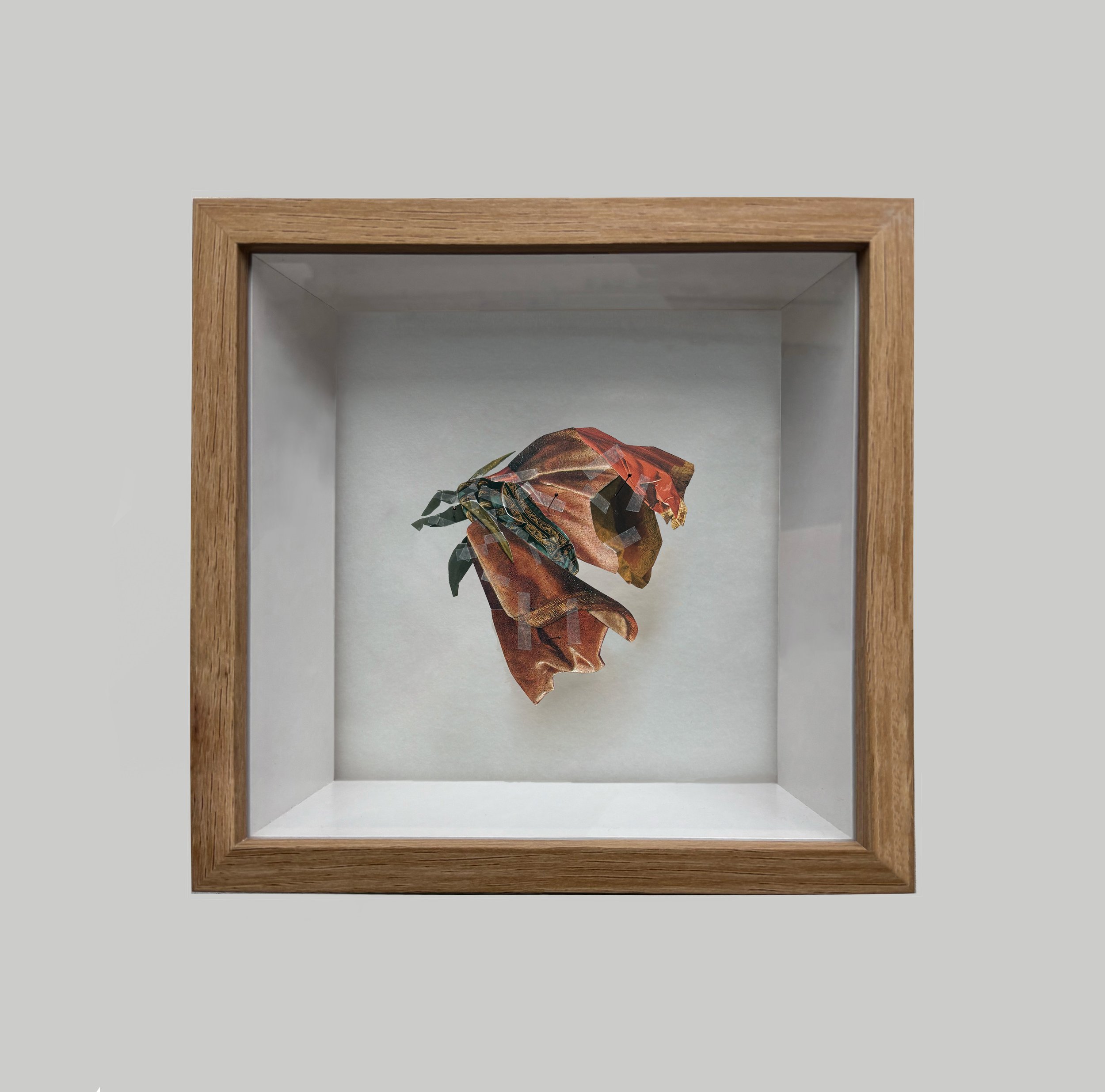
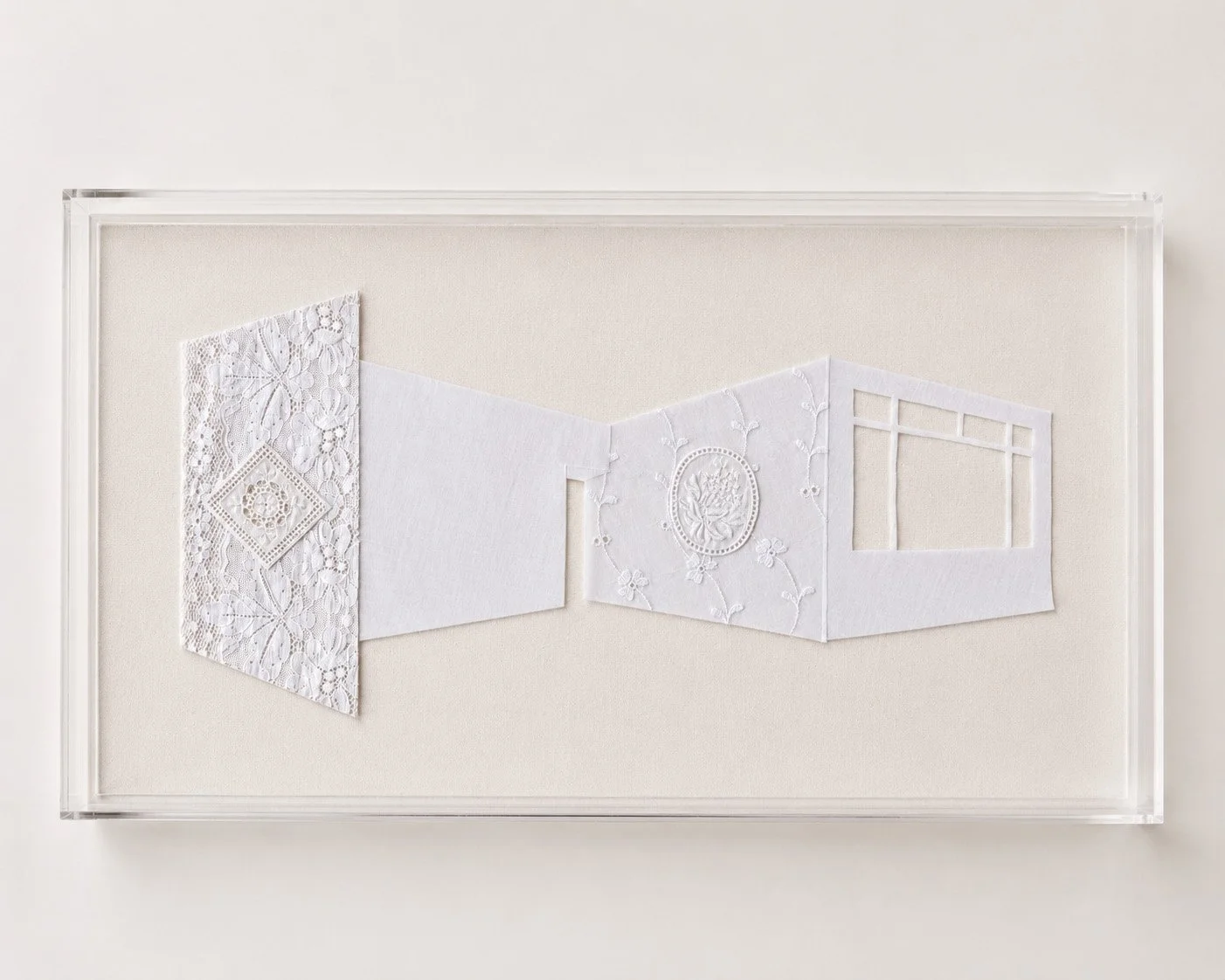
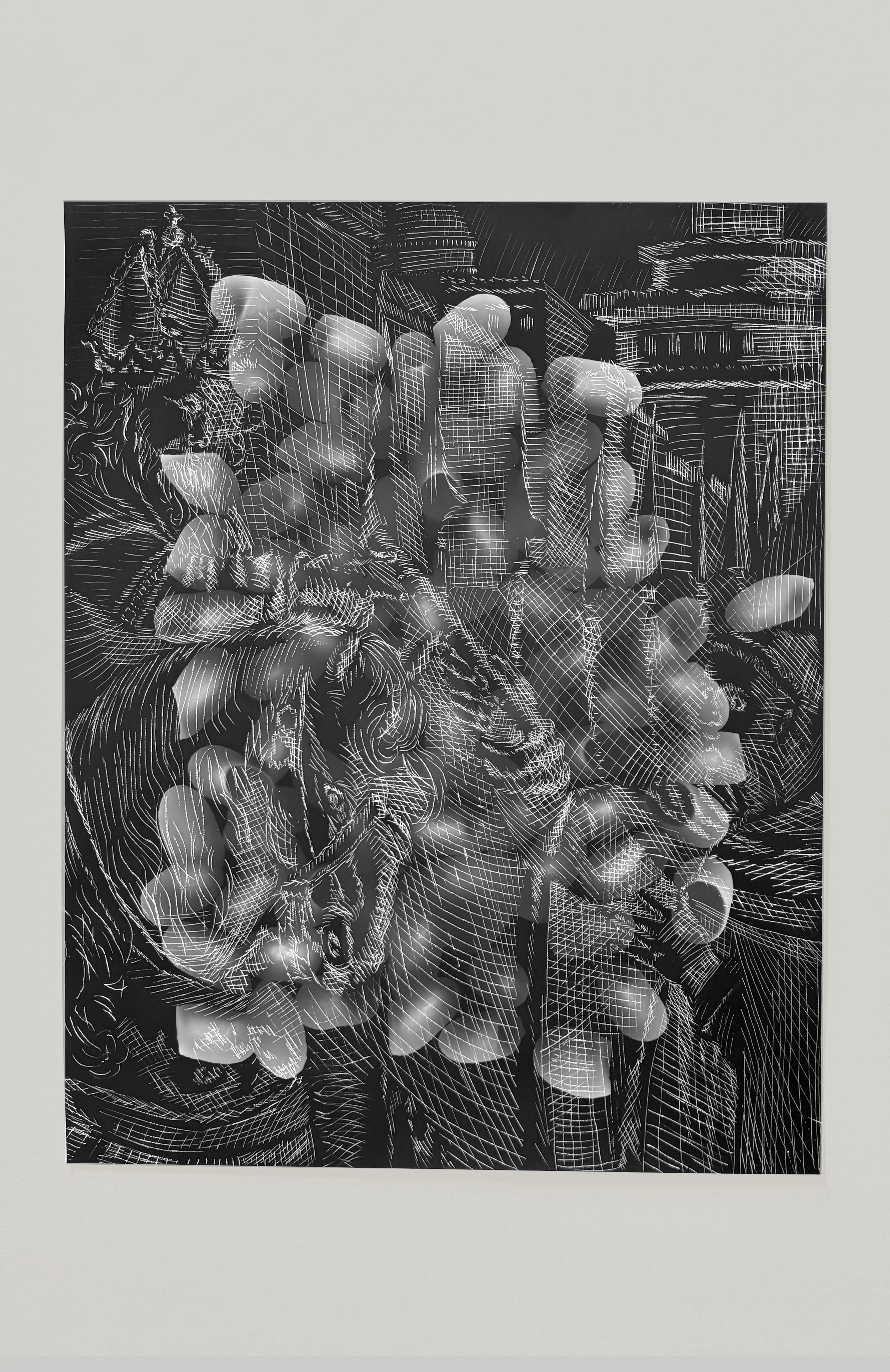
Over time, I realized that academic writing alone was insufficient to address the complexity of these experiences. I felt the need to think through objects, to engage with them materially, and to produce knowledge through artistic processes rather than exclusively through text. This led me to develop a research-based artistic practice. So, in this process, I become to identify myself as an artist-researcher. My work begins with questions directed at hegemonic narratives. From there, I follow the threads of stories that have been left at the margins, allowing the research itself to guide me toward specific media and materials. I do not work within a predefined media. Material choices emerge from the demands of each investigation. Depending on the project, this may involve working with paper, textile, painting, or other materials, always in response to the gaps and tensions identified through research.
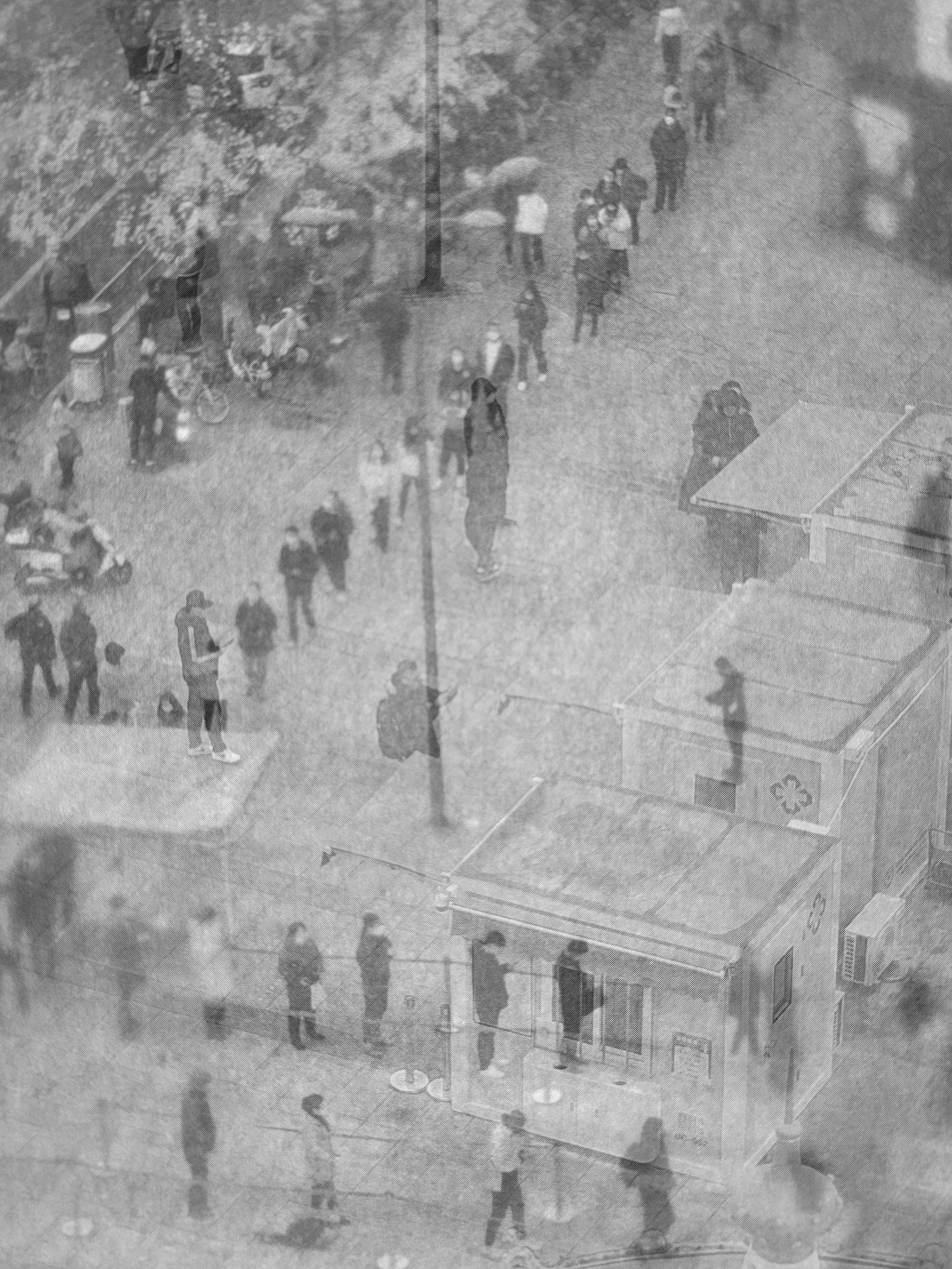
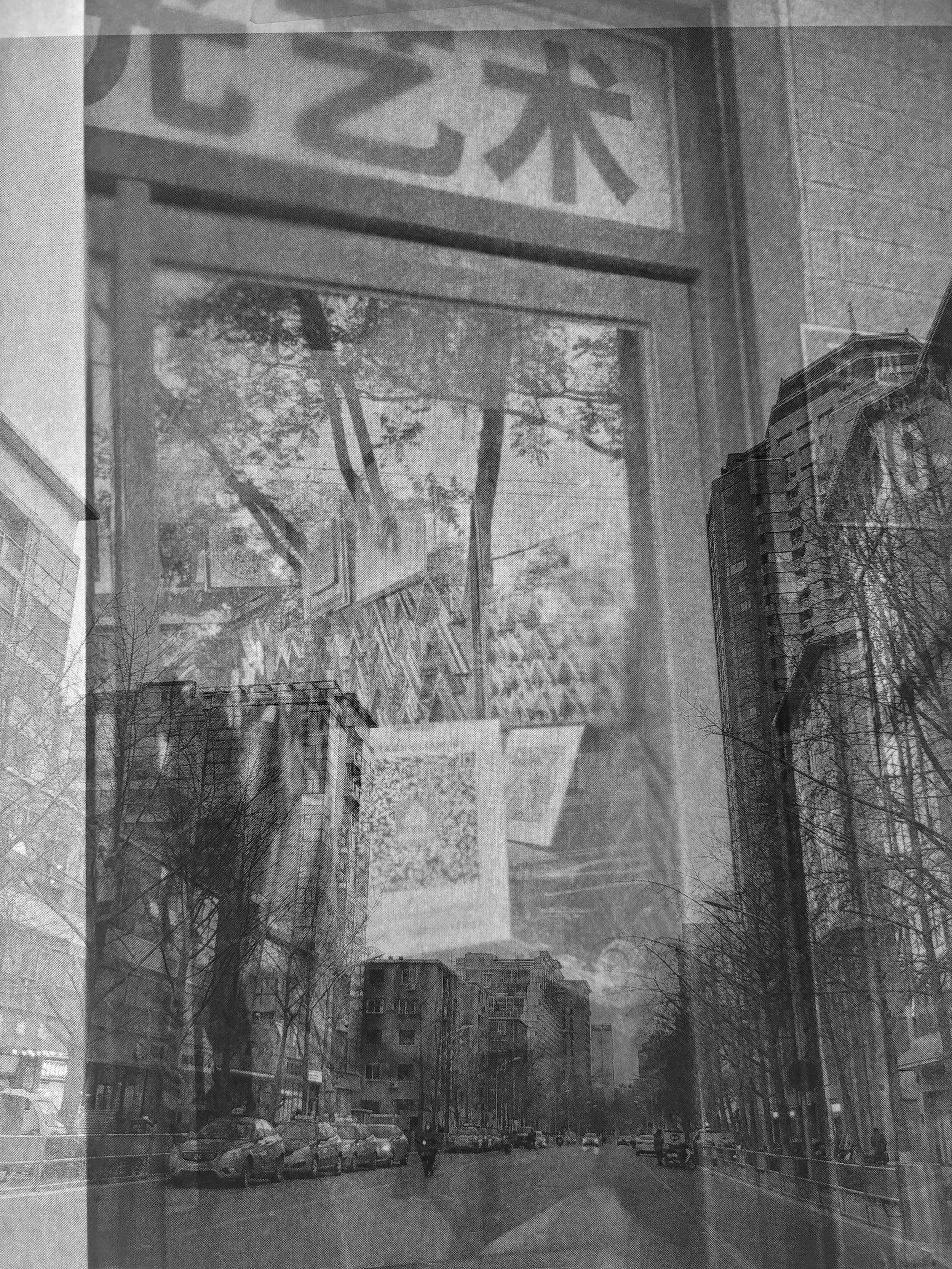
My process often involves making visible what would otherwise remain unseen. The questions that guide my practice, related to history, memory, coloniality, and ways of seeing, shape and delimit the field of inquiry while material experimentation expands it and brings forward layers that spoken language cannot fully access. Within this approach, my intention is to engage with strategies that unsettle the familiar, reveal obscured layers, and question dominant narratives embedded in everyday objects and images.