Krisztina Bóka
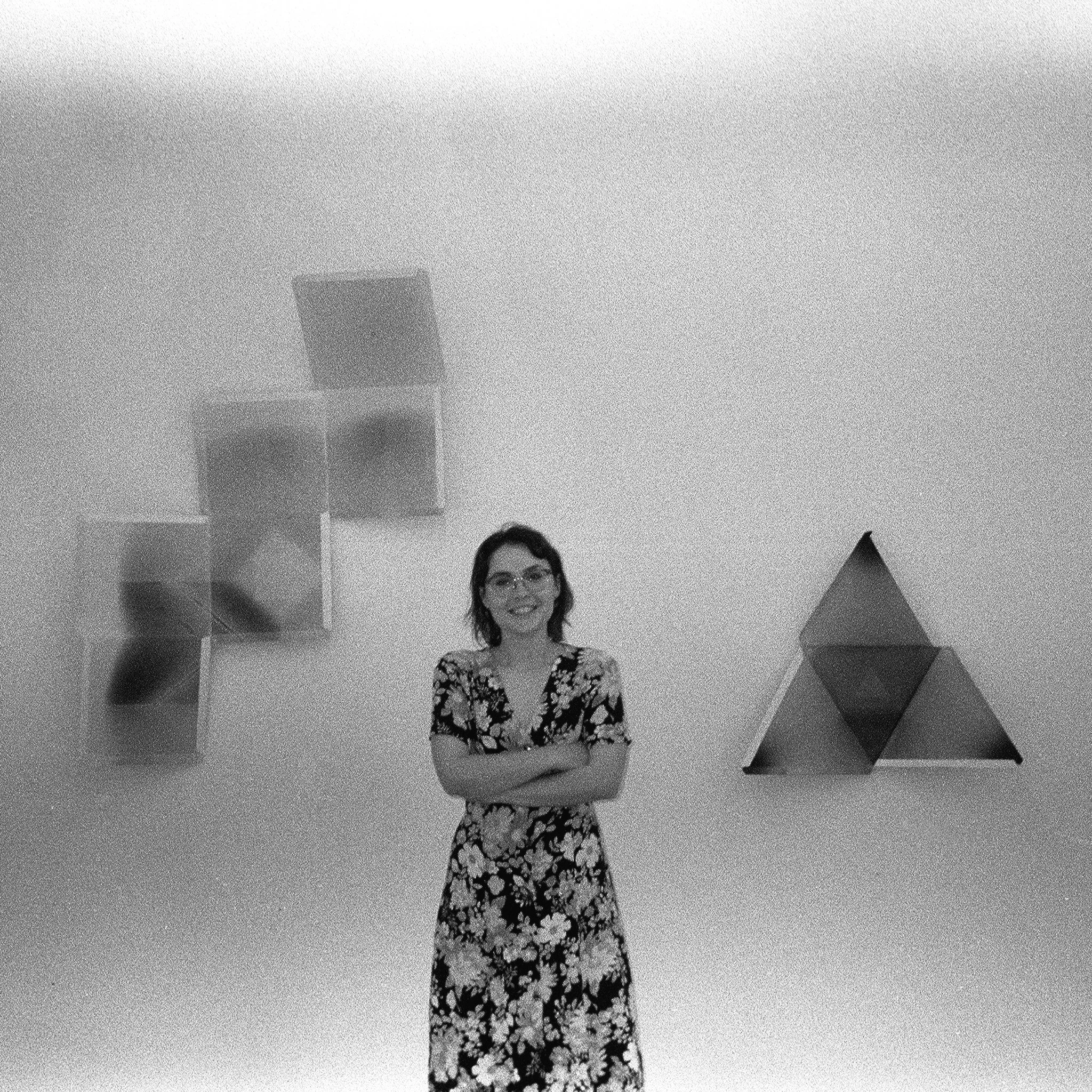
Krisztina Bóka (1997, Hungary) is a visual artist, currently living in Wien. She graduated with an MA in Sculpture from the Hungarian University of Fine Arts in 2023 and gained several international experience through Erasmus+ and CEEPUS scholarships.
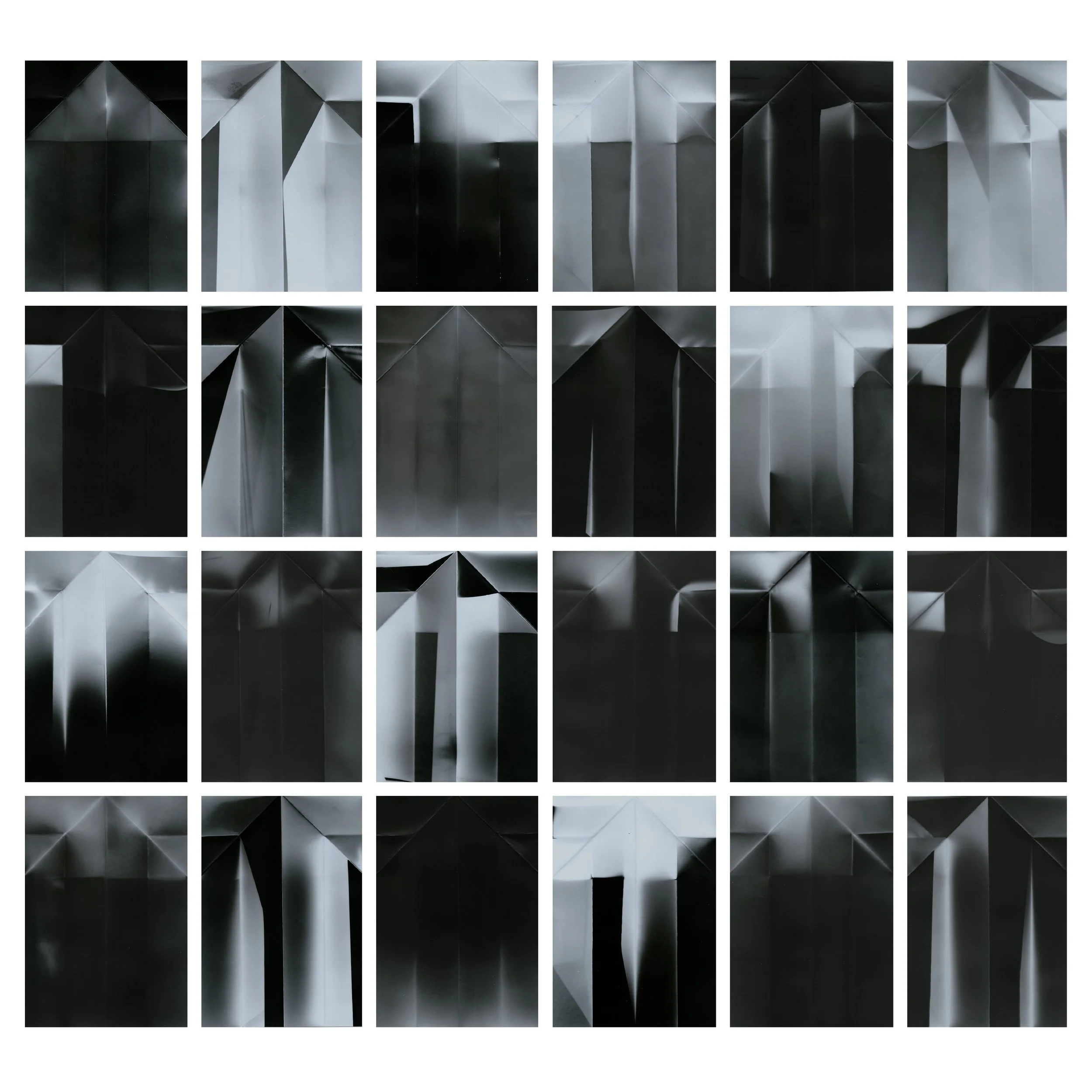
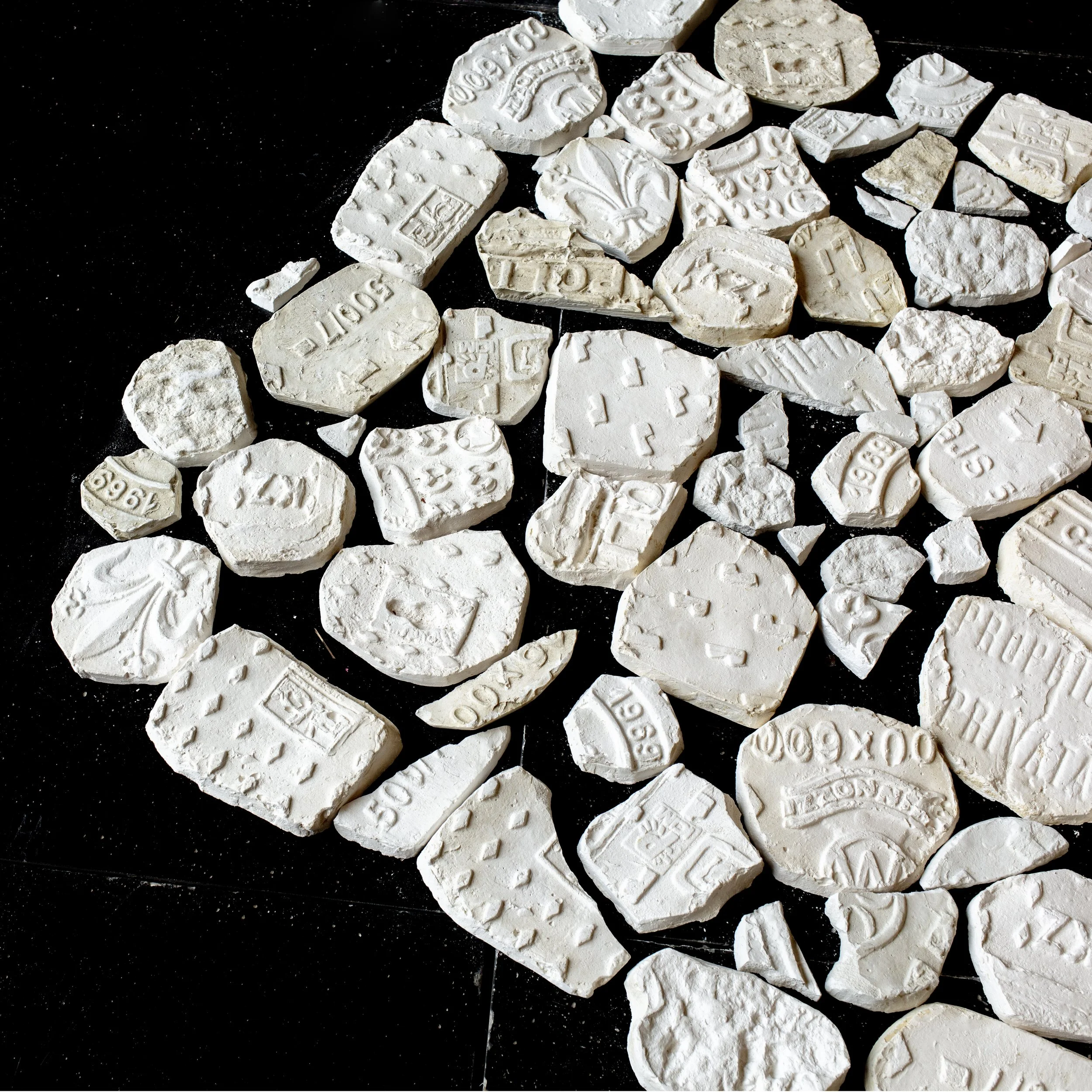
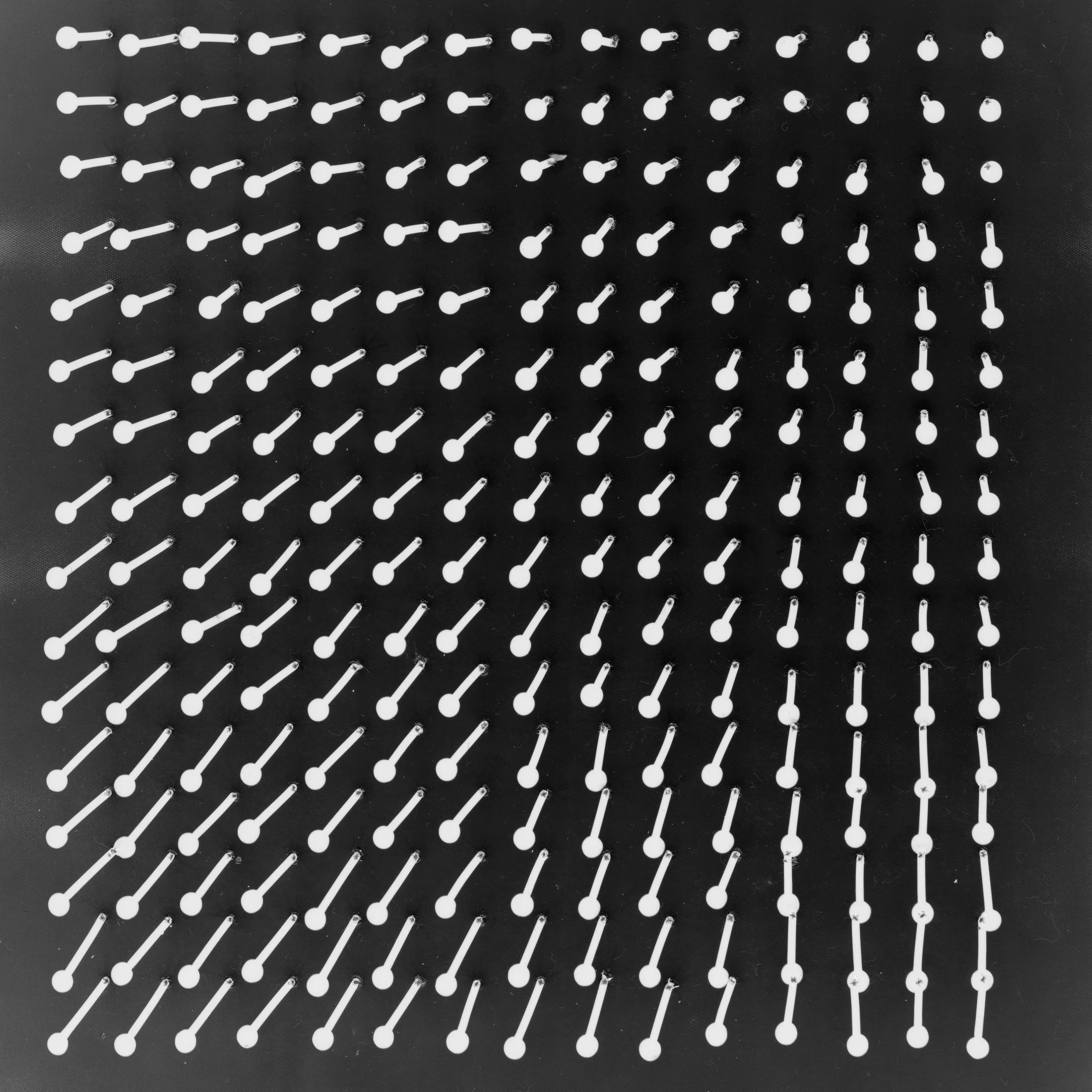
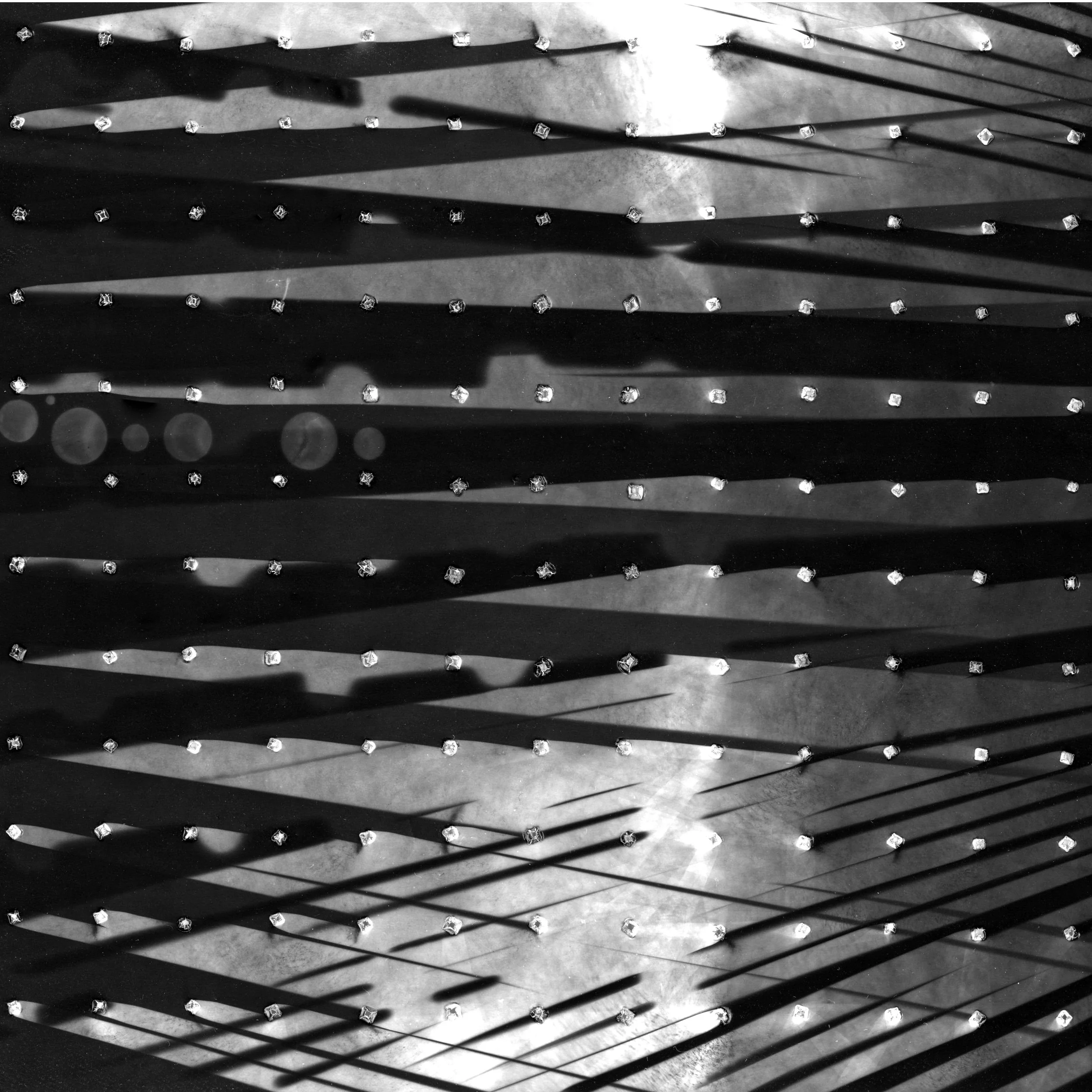
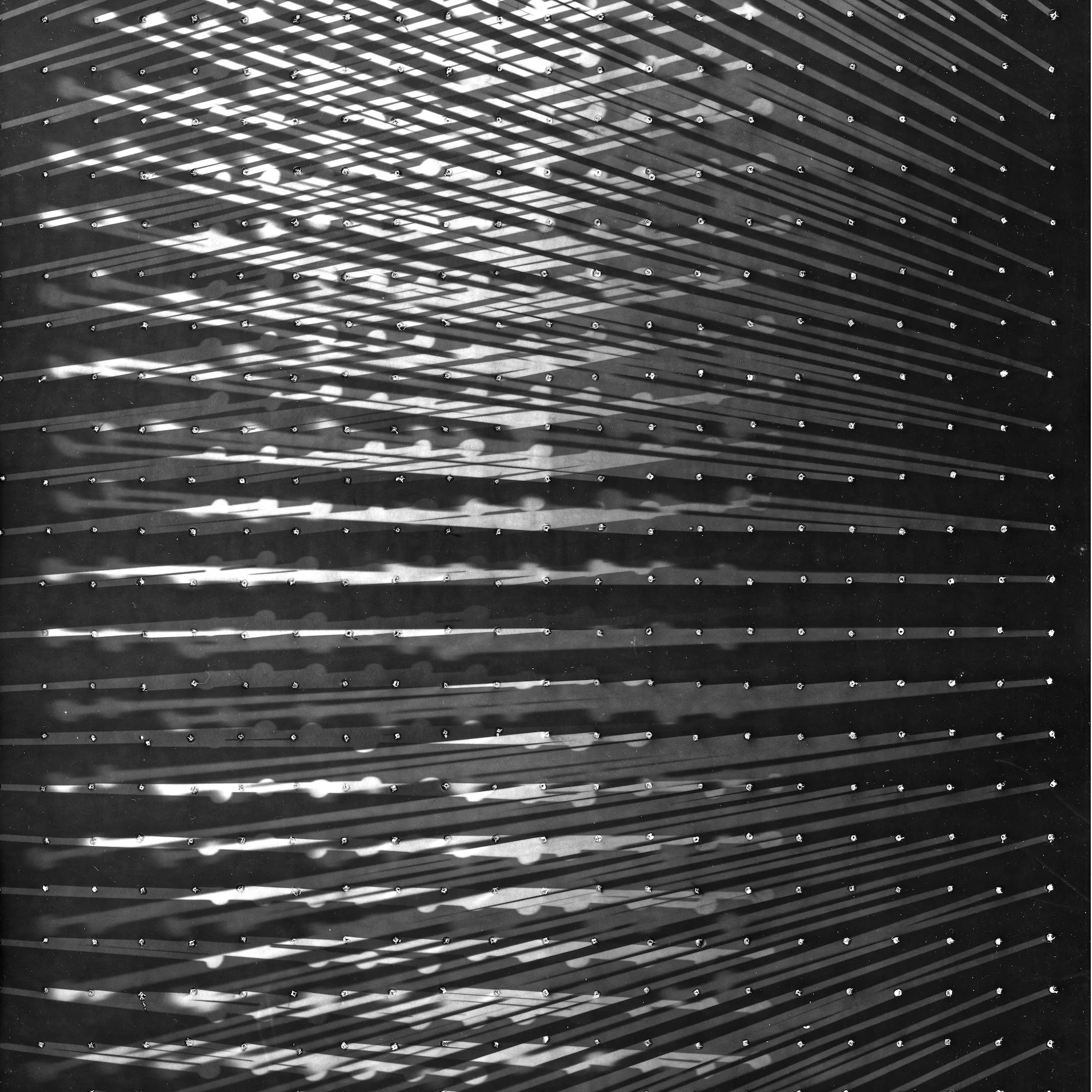
Her art is object- and idea-based, combining sculptural practices with experimental analog photography, particularly photograms as a camera-less technique. She emphasizes the creative process, exploring materiality, space, and light to challenge conventional notions of image-making. The concept of home has also become a recurring theme in her work, shaped by her personal experiences of frequent relocations for studies. Her projects reflect on the emotional and physical dimensions of belonging.
“(...) she is interested in how materials behave, how light interacts with surfaces, and how space can be translated into flat images.”
Krisztina Bóka (1997, Hungary) is a visual artist currently living in Vienna. She graduated with an MA in Sculpture from the Hungarian University of Fine Arts in 2023 and has participated in international exchange programs through Erasmus+ and CEEPUS scholarships. Her work moves across different media, including installation, experimental photography, and self-publishing.
Her practice is strongly shaped by her background in sculpture. She often starts from materials and physical processes, thinking through making and space. Rather than focusing on a single medium, she combines different approaches, frequently bringing together sculptural thinking with photographic tools. Photograms, as a camera-less technique, play an important role in her work. Through them, she explores the basics of image-making in a direct, hands-on way. The process itself is central to her practice: she is interested in how materials behave, how light interacts with surfaces, and how space can be translated into flat images.
One of the main recurring themes in her work is the idea of home. This comes from her own experience of moving frequently during her studies and leaving Hungary, partly due to the political situation, which has made long-term stability and access to housing increasingly difficult. Living in dormitories and temporary spaces made the idea of home uncertain and constantly shifting. Over time, this became a key question in her work: what does home actually mean, and who has access to it?
Her projects reflect both the emotional and structural aspects of this question, especially in relation to the housing situation in Hungary. She is currently working on a project based on the well-known Hungarian board game “Gazdálkodj okosan” (“Budget Smart”), originally created during socialism to promote financial awareness and the idea of home ownership. However, the game does not offer real knowledge about budgeting or housing; rather, it functioned as a playful tool to communicate socialist values. Although the game has been updated over time, its promises feel increasingly distant today.
In her work, Bóka uses and reinterprets the structure of the board game to reflect on the current housing situation in Hungary in a playful but critical way. Questions such as who benefits from the system, whether hard work leads to stability, and whether home ownership is still a realistic goal become part of the project. She aims to highlight how housing issues affect the everyday lives of many people, especially young adults.
The final form of the work is an installation that reimagines the board game as a spatial system. An important part of the project is to raise awareness of these issues through exhibition-related events, such as talks, screenings, and presentations of both national and international examples of social housing.
At the same time, living in Vienna—known for its social housing system—adds another layer to the research, creating a contrast between different approaches to housing. The project is ongoing and continues to develop through observation and lived experience.