Elene Pichkhadze
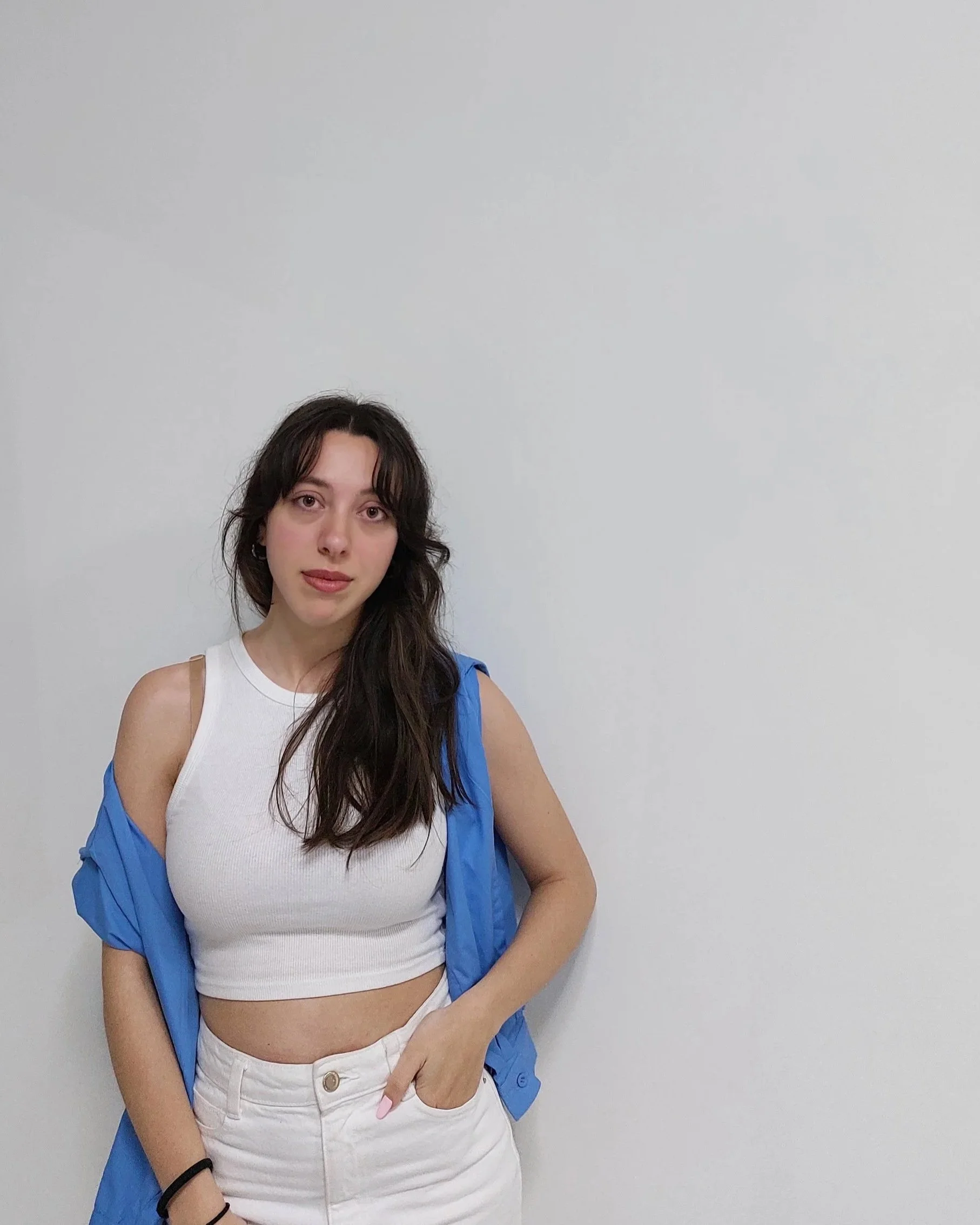
Elene Pichkhadze (b. 2001) is an artist, writer, and researcher from Tbilisi, currently based in Vienna. Her practice is rooted in research-based methodologies and engages with institutions, memory, nostalgia and writing as both a critical and creative tool.
She completed her Bachelor’s degree in Visual Arts and Design at the Free University of Tbilisi (2018-2023) and is currently pursuing a Master’s degree in Social Design at the University of Applied Arts Vienna.
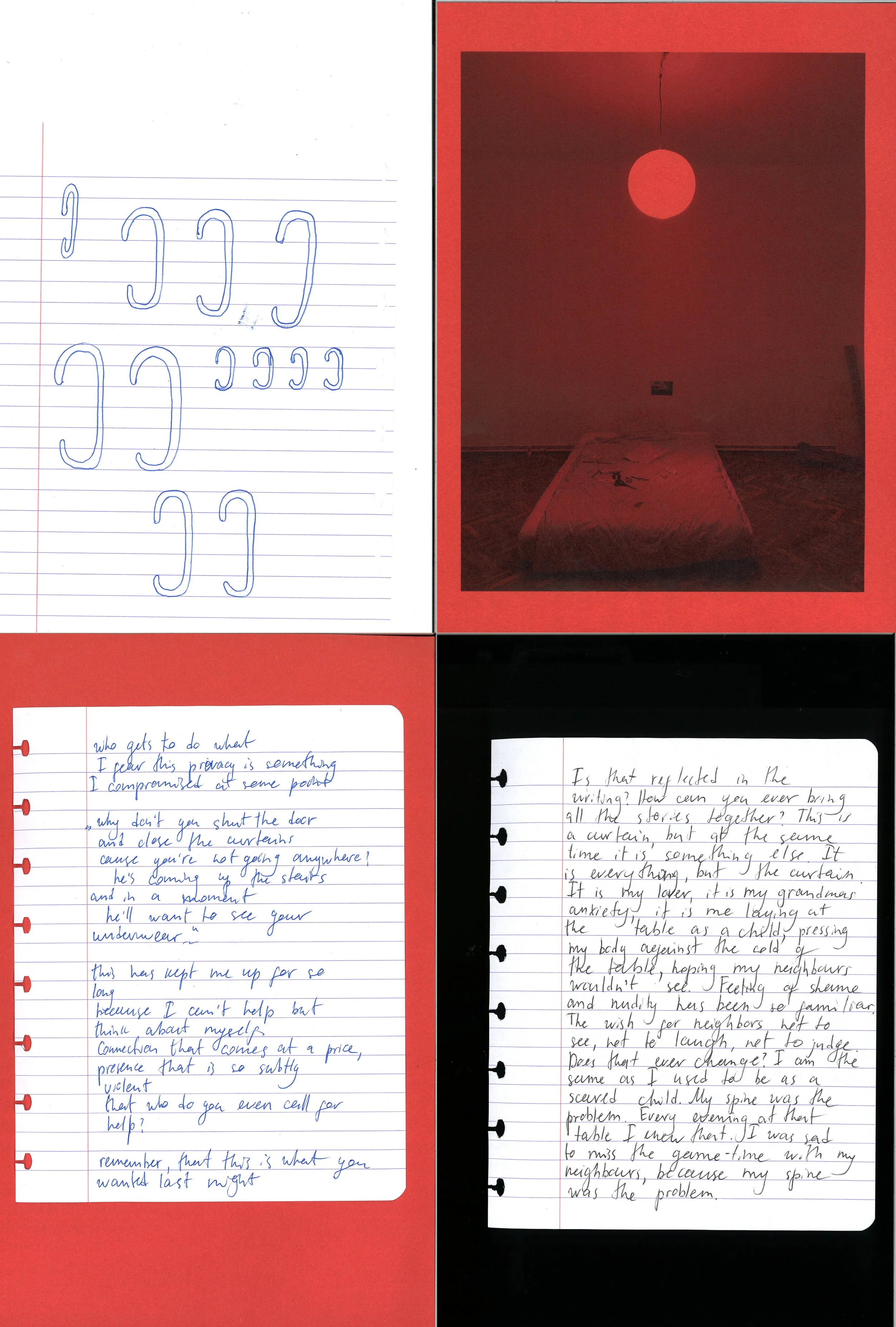
Over the past few years, Pichkhadze has dedicated her artistic practice to research developed through both institutional frameworks and personal projects. On one hand, she investigates personal memories and her family’s history of migration; on the other, she explores archiving as an active and creative practice aimed at resisting oblivion.
“Reclaiming, reusing, returning, reintegrating, reviving, rehabilitating. My goal is to view sustainability through the lens of history and memories.”
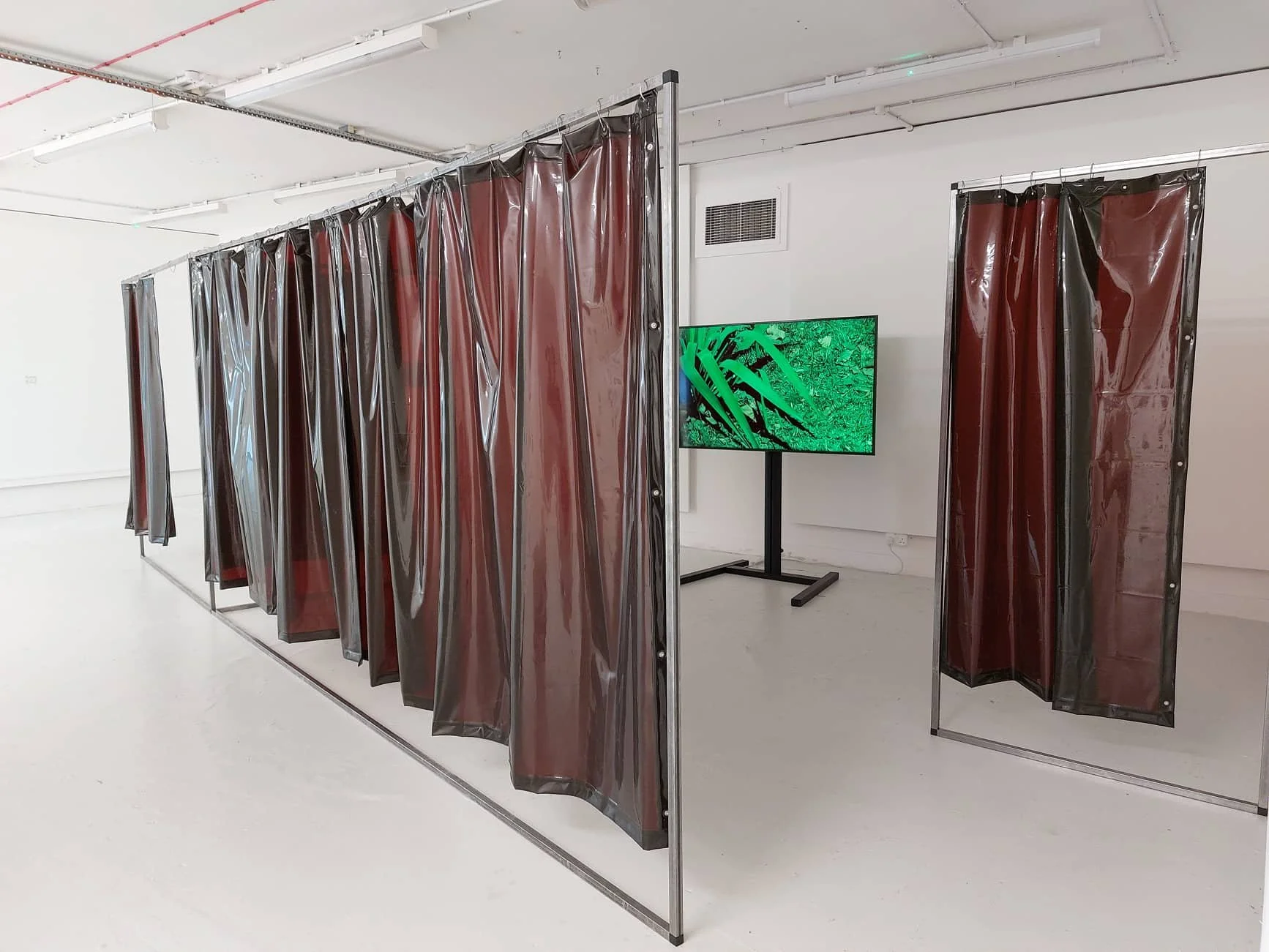
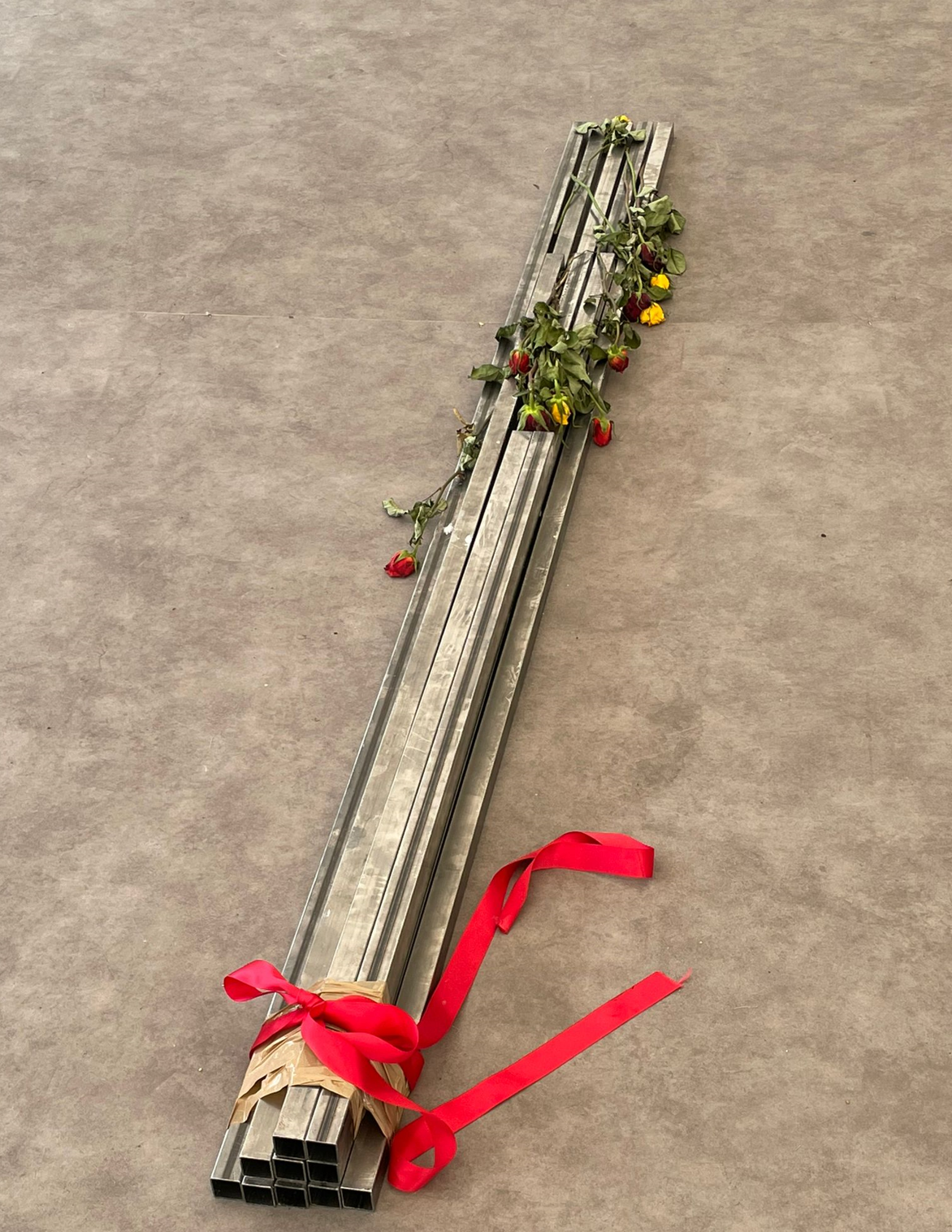
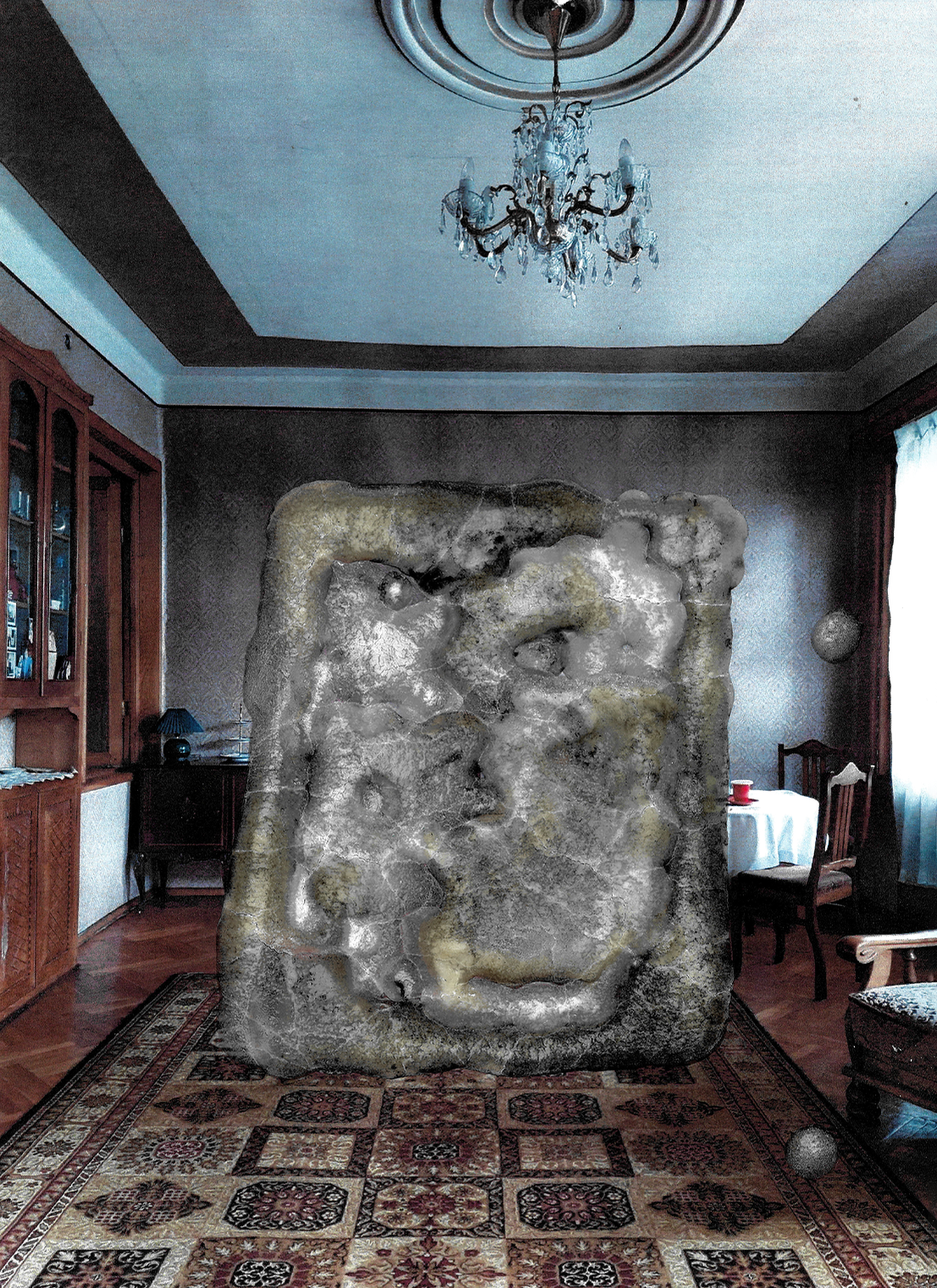
Living through several immigration experiences, my works are united with ideas of longing and belonging: a very vulnerable attachment to spaces and memories as autonomous, self-sufficient characters. Working in different mediums, like painting, sculpture, and video art, my pieces reflect a feeling of alienation shared between places, objects, and people. The approach, influenced by both my spatial design and art practices, often leads me to physically recreate and imitate places from personal experiences and memories in new, detached environments. The recent works can be described as a sort of a reunion: an attempt to find and re-define meeting points. Connecting traces of lost items, like scotch-taping them together, or in case of video art - editing disconnected moments into one moving image, intentionally overlapping events on one another - sometimes in a very forced and uncomfortable way; it draws parallels to my own experience of bitter-sweet family reunion after 13 years of immigration.
Over the past year, I’ve dedicated myself to producing research about home, institutions and attachment to rural areas: trying to contextualize the influences that've been following me throughout my career. The project, proposing an opening on the Museum of Modern art in the village of Surami, is questioning the roles of museums and institutions in underserved areas. Reclaiming, reusing, returning, reintegrating, reviving, rehabilitating. My goal is to view sustainability through the lens of history and memories.
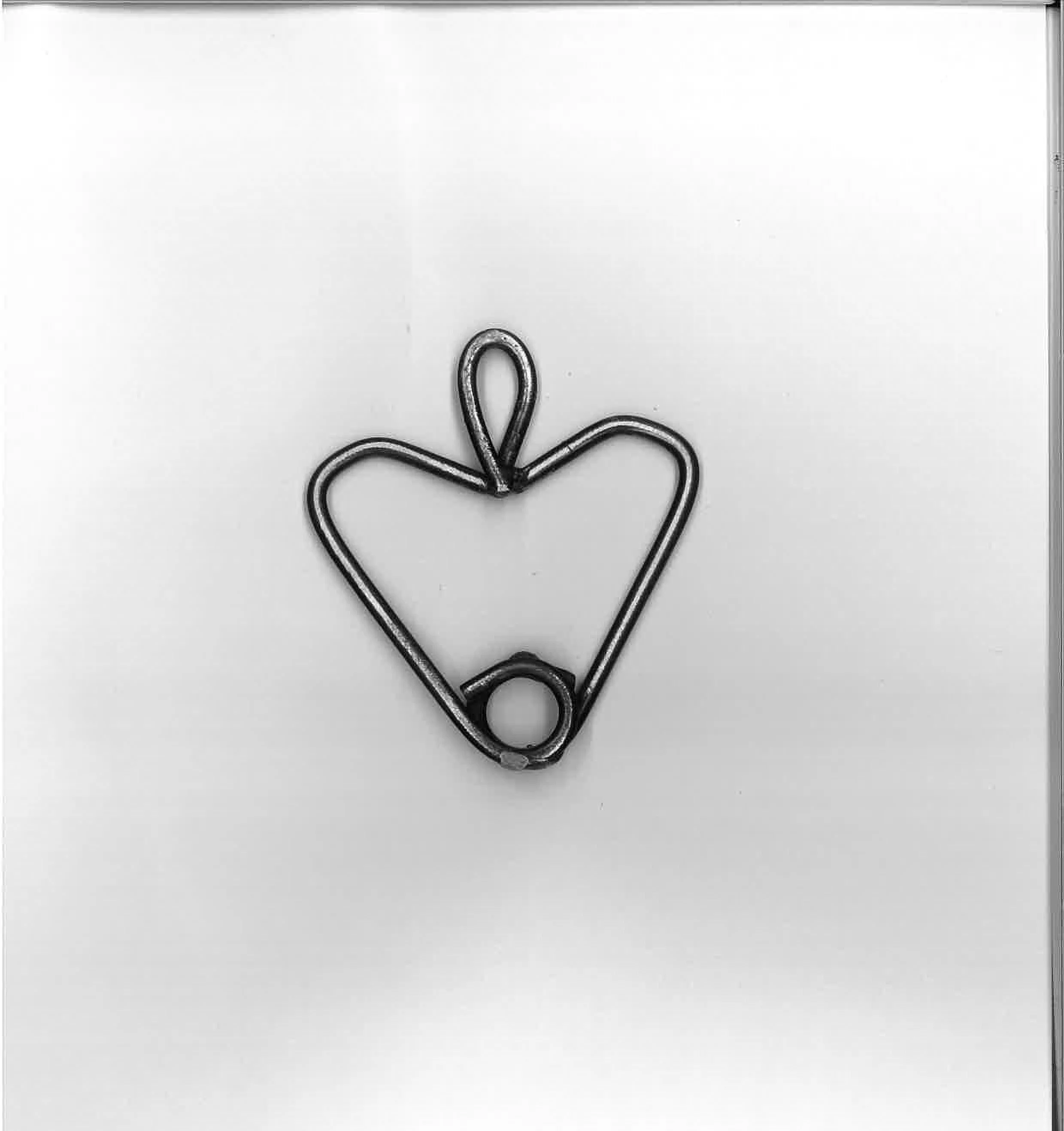
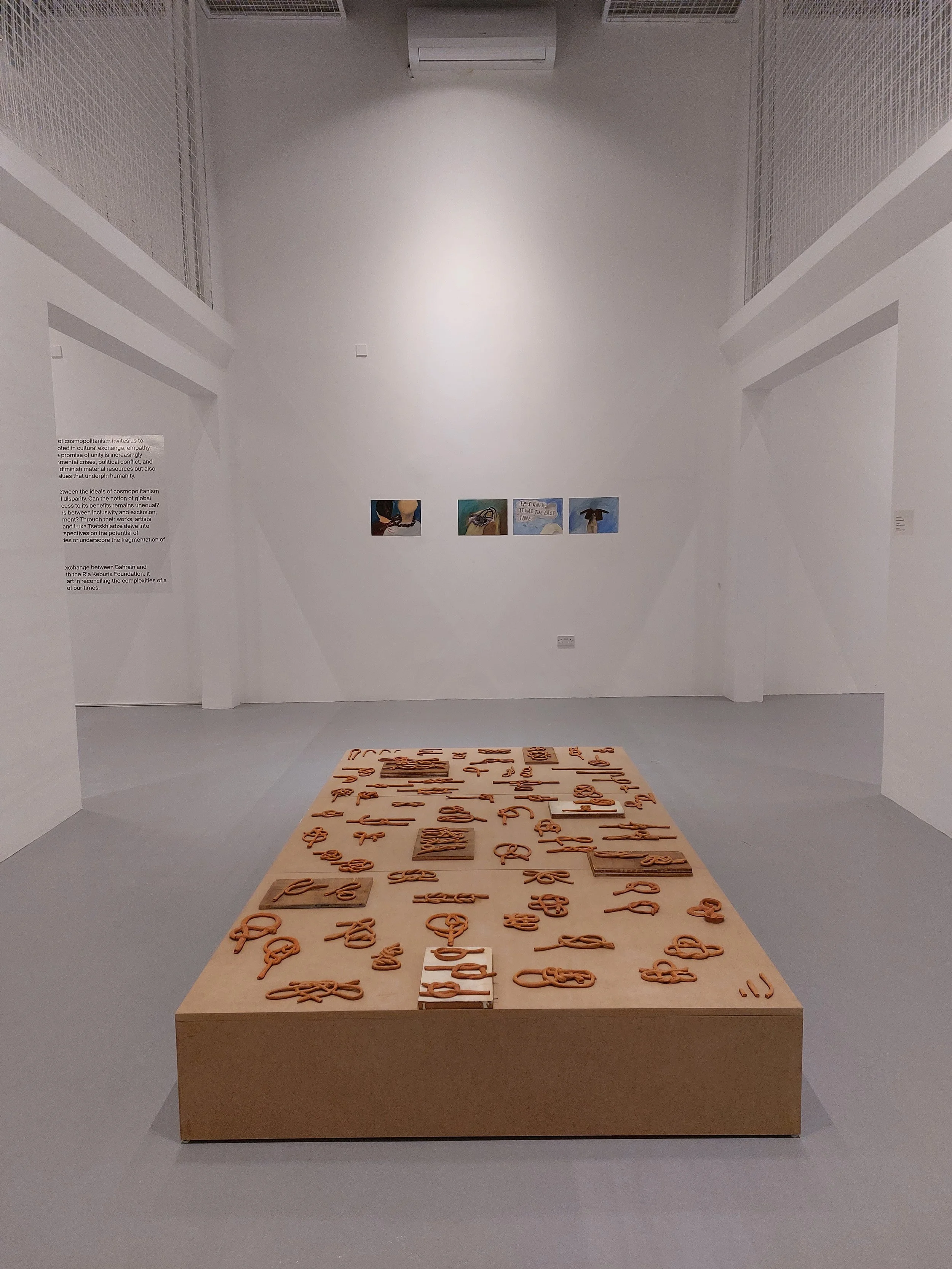
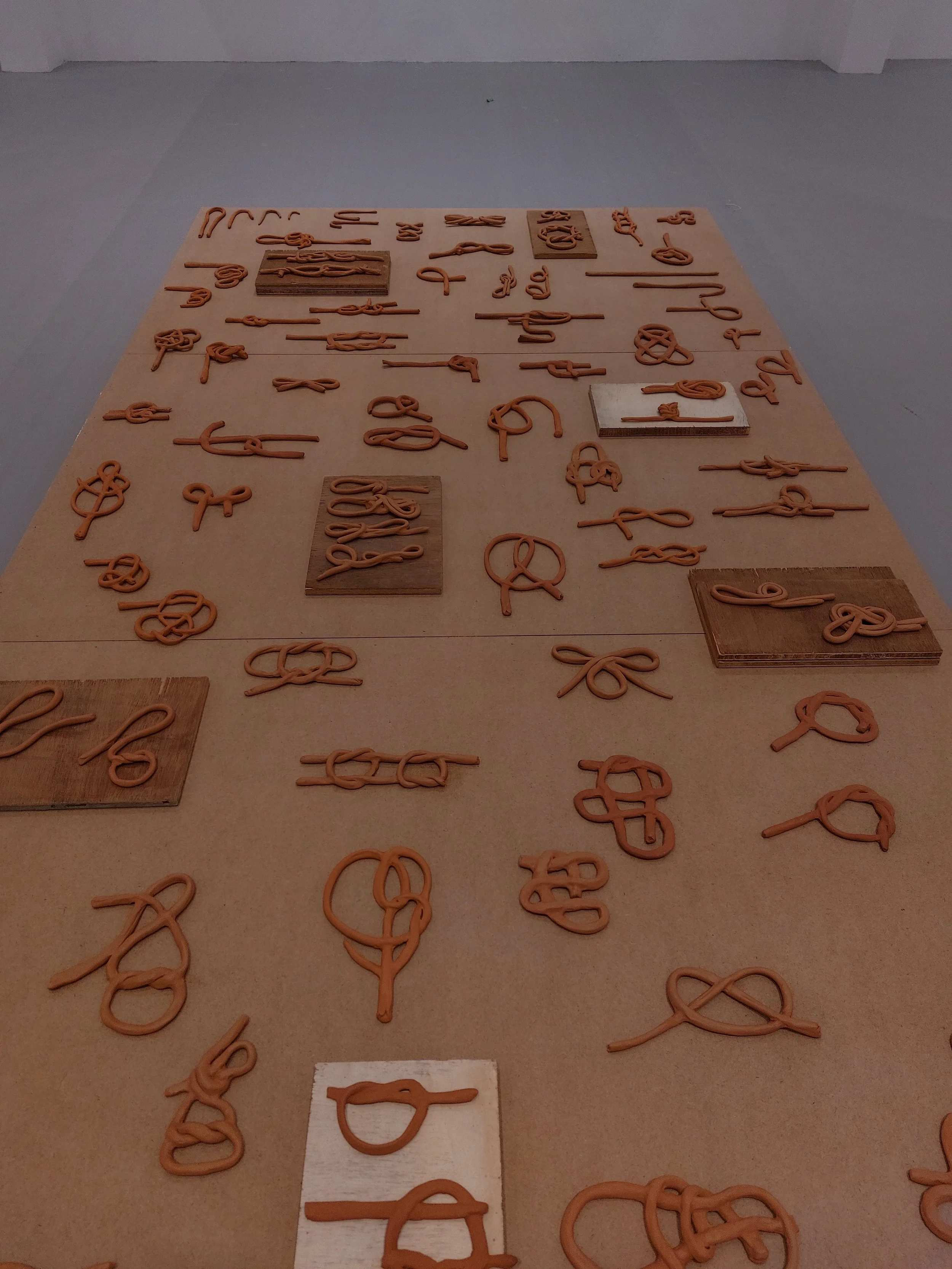
Currently, my work is tied to the idea of rooting and how we as human beings are in constant search for grounding. Exploration of my second name, Rut, serves as a starting point of this project, symbolizing both a literal and metaphorical journey of roots: from familial migrations to our sense of belonging in spaces. Reimagining roots as knots, work explores the complexity of belonging. Unlike natural roots, which evenly redistribute energy, knots are forced, requiring tension and multiple pressure points to remain grounded.
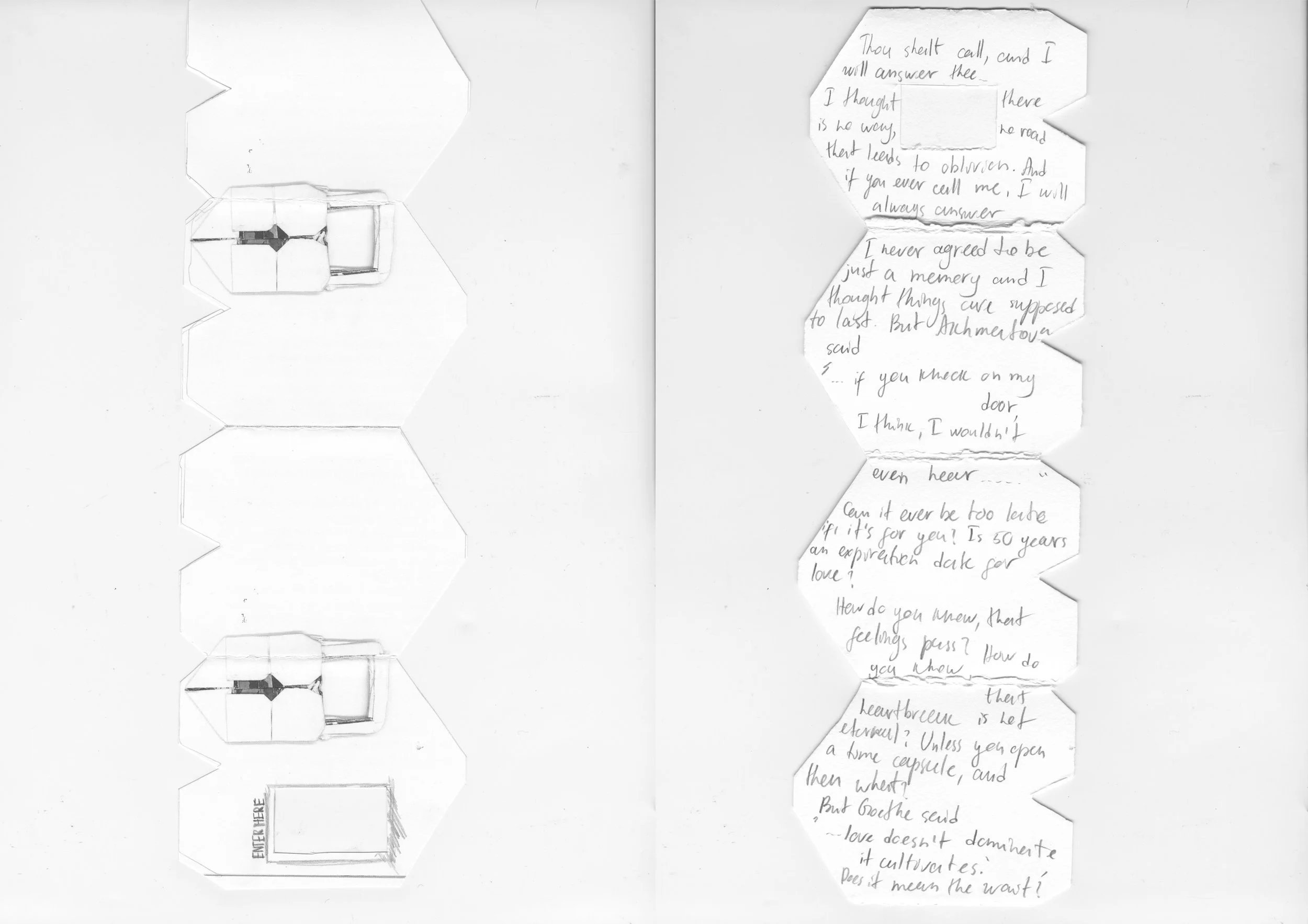
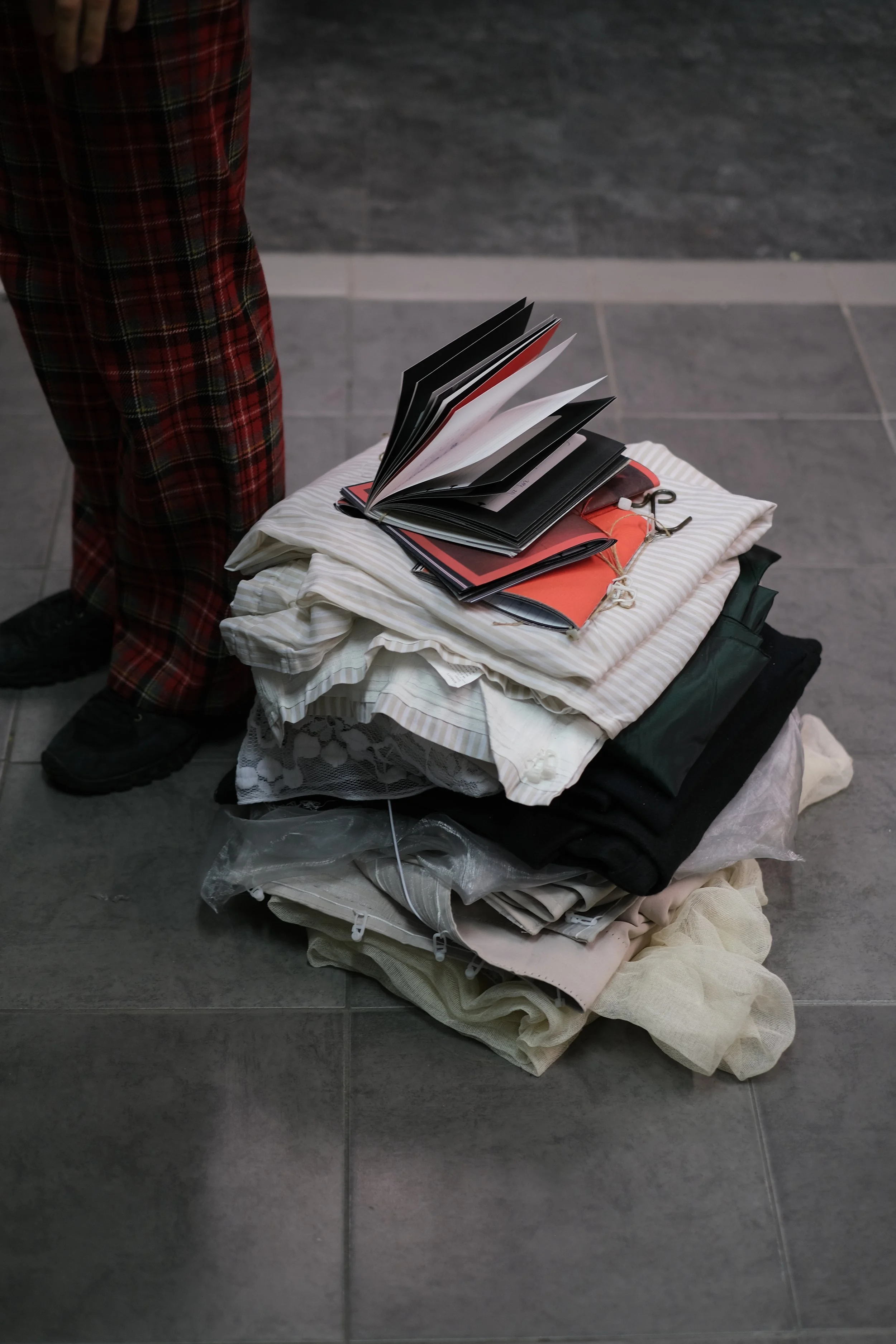
Visually, my works often draw inspiration from institutions and archives. The idea of the museum as a holder of memory and a time capsule has informed explorations of form, preservation, and storytelling. Through projects such as developing a time capsule in Salzburg to be buried for 50 years, and collaborations with Weltmuseum Wien, I investigate the ways memories and forms of knowledge become embedded within objects. Across these explorations, what remains central are acts of storytelling through objects, spaces, and the traces they carry.