Duannaiyu Wang
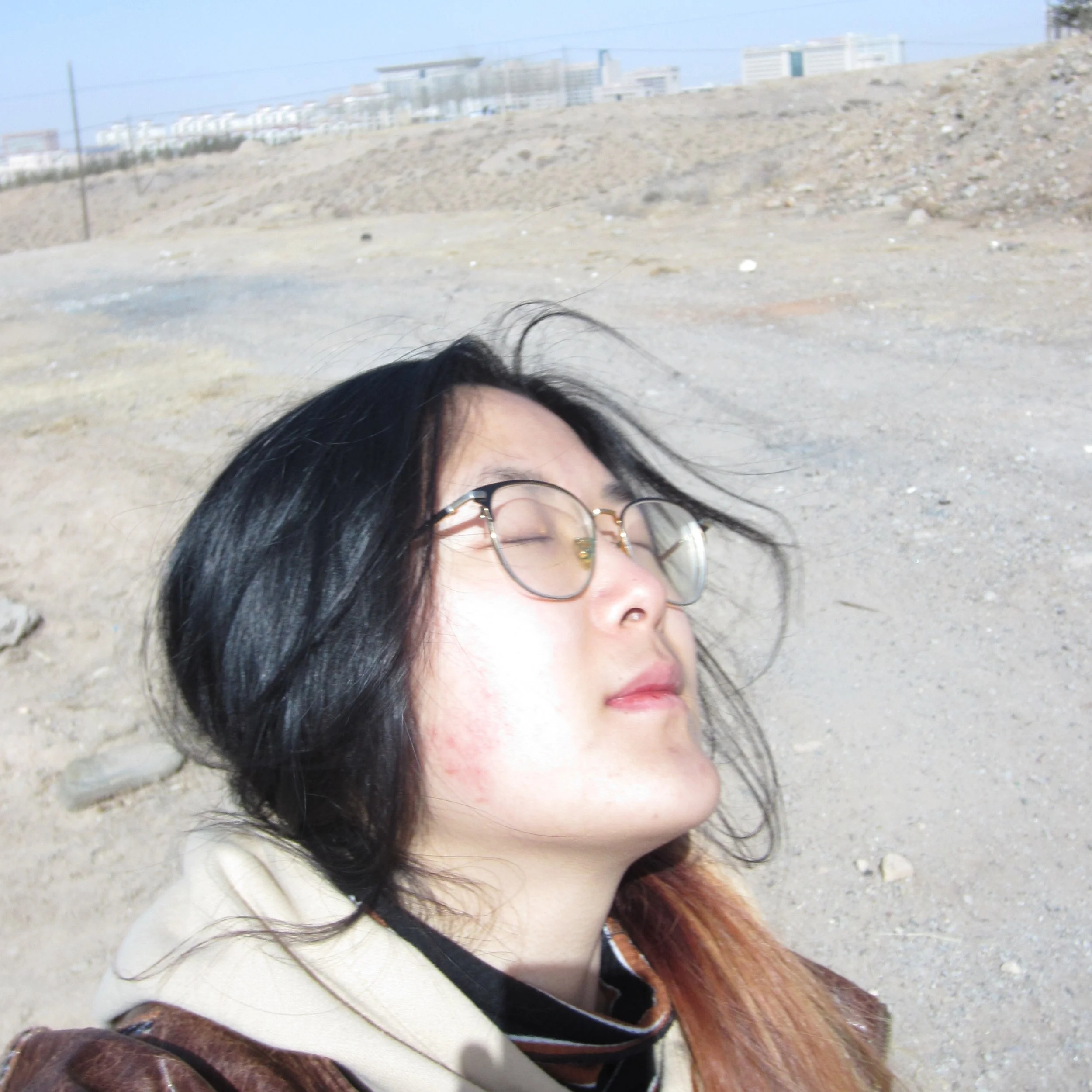
X (b. 2000) is a Chinese artist based in Vienna, working across installation, performance, photography, sound, and spatial interventions. She creates situations that expose fragility within systems of language, space, and social behavior. Her practice is driven by moments of disorientation, playful disruption, embodied rituals, and shifting relationships between humans and their environments.
Through travel-based research, participatory actions, and speculative image-making, she explores communication, perception, and forms of connection across geographic, linguistic, and emotional distances. Through humor, vulnerability, and transformation, her works invite alternative ways of sensing, relating, and inhabiting the world.
“(...) movement becomes a method of making: works often arise from encounters, detours, or temporary alignments with places, bodies, and infrastructures.”
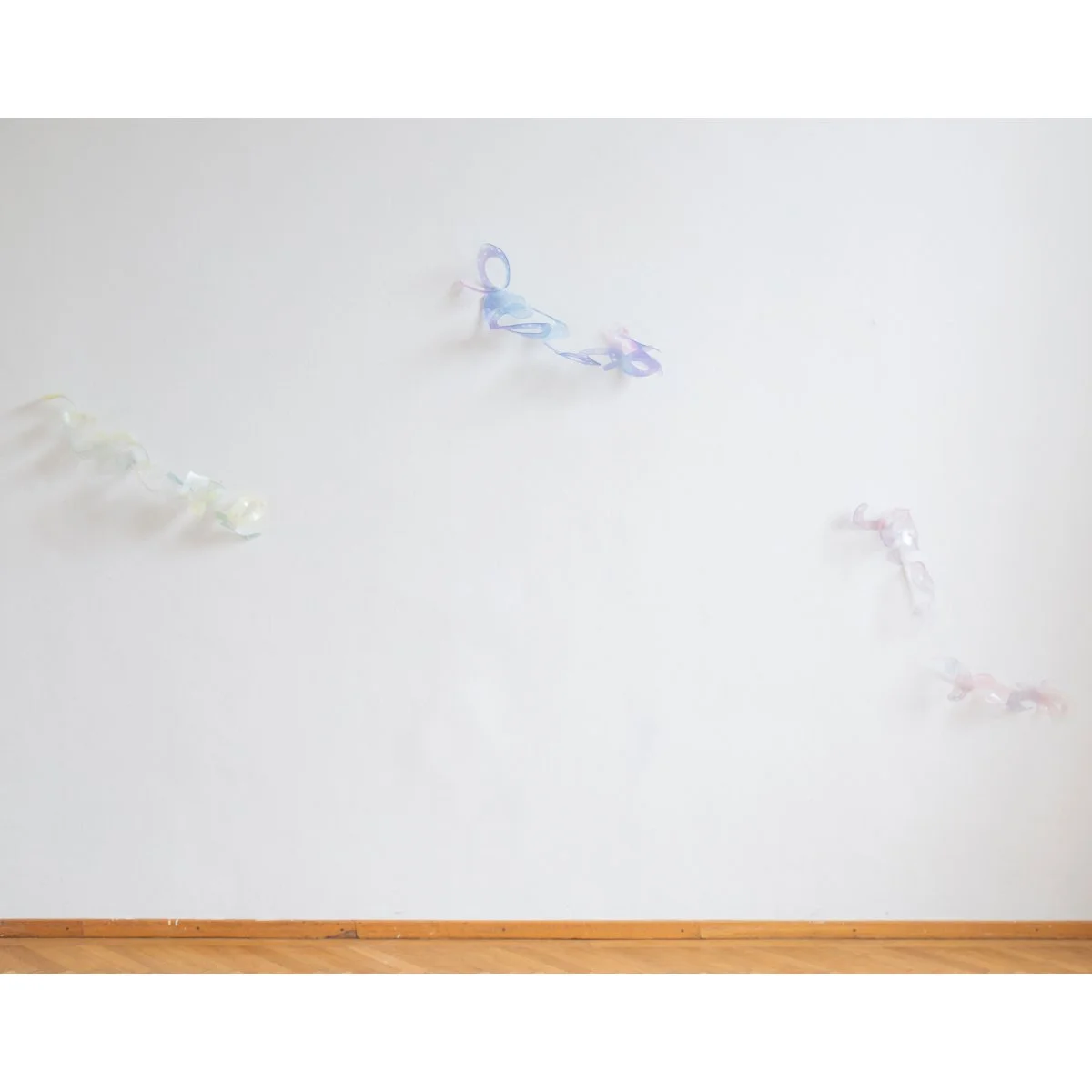
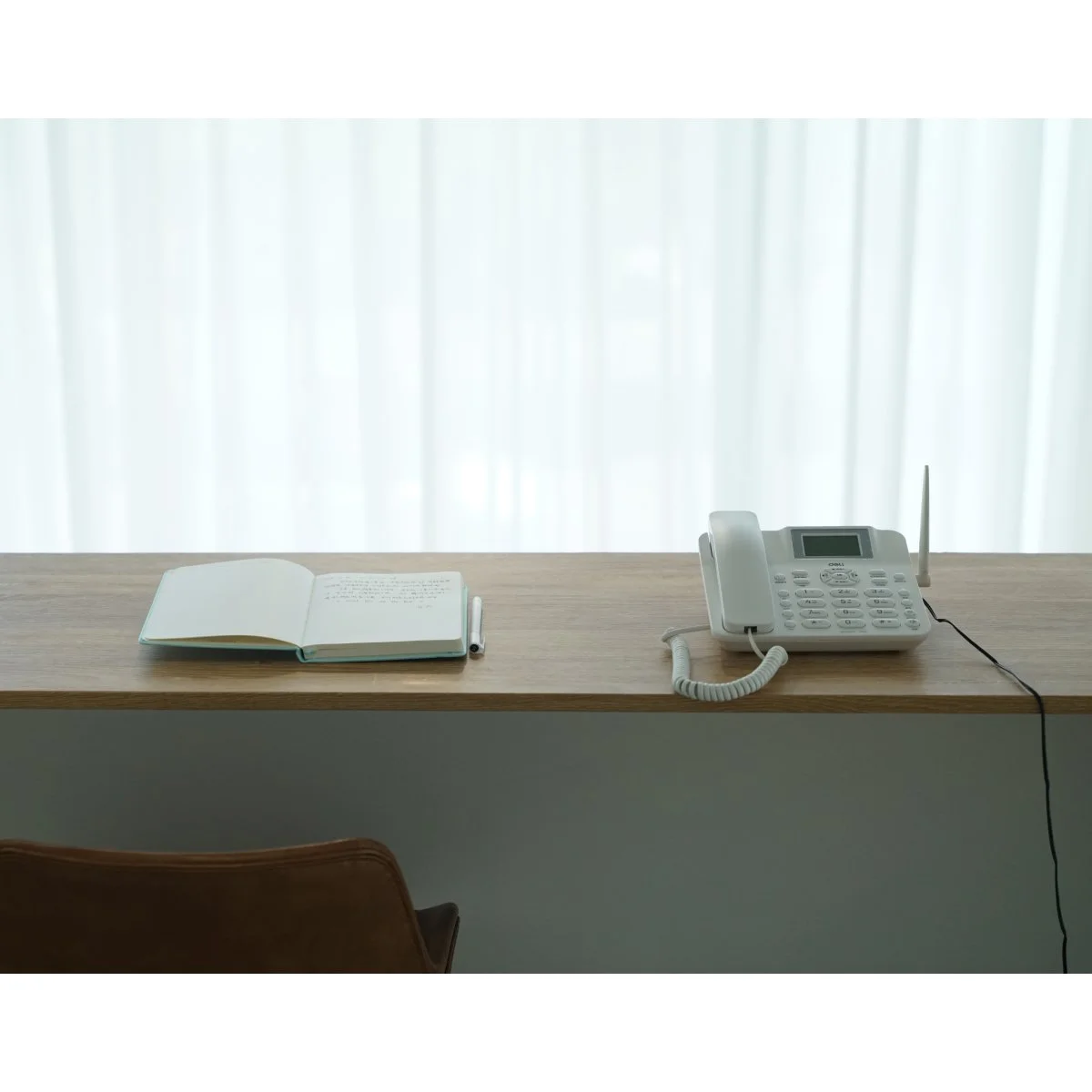
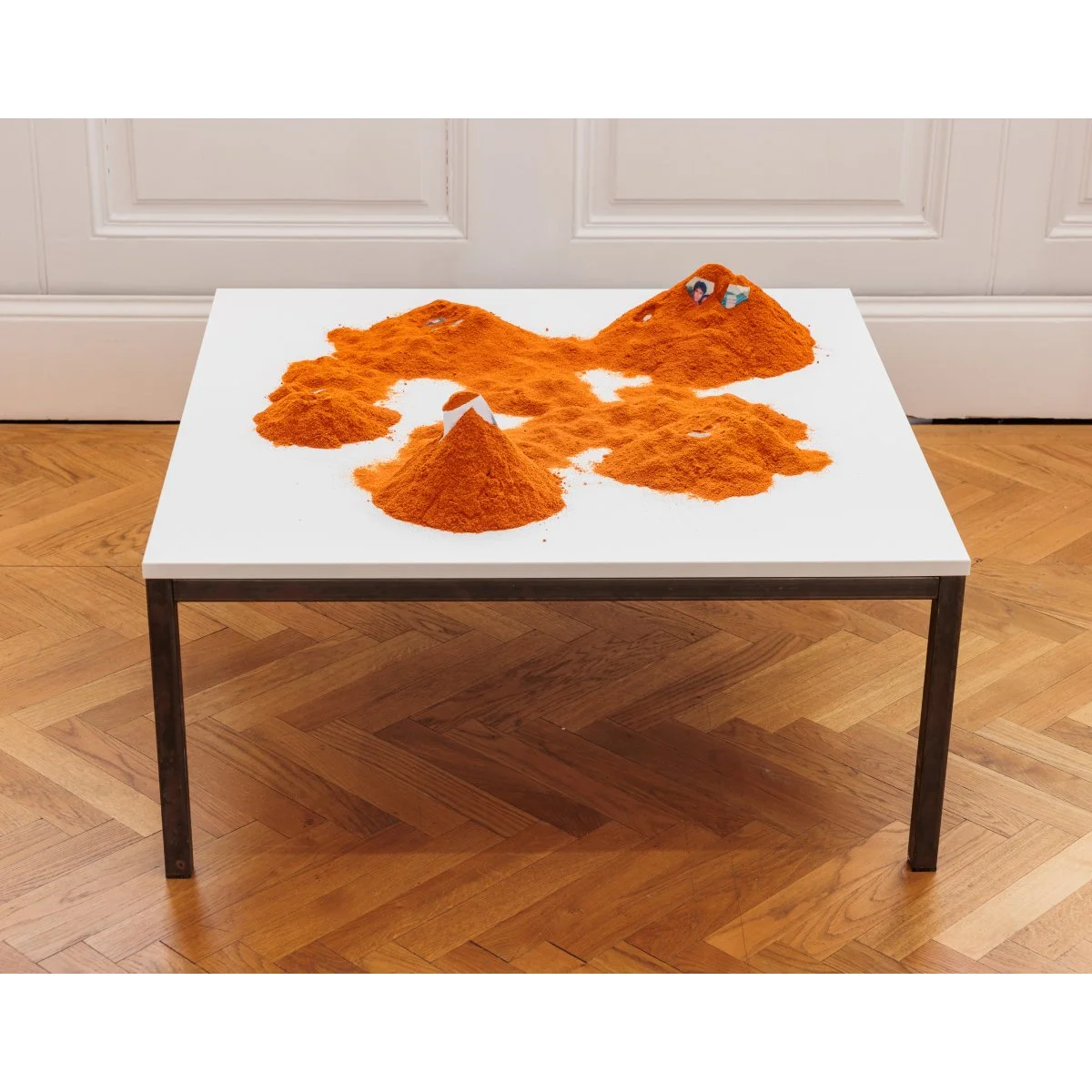
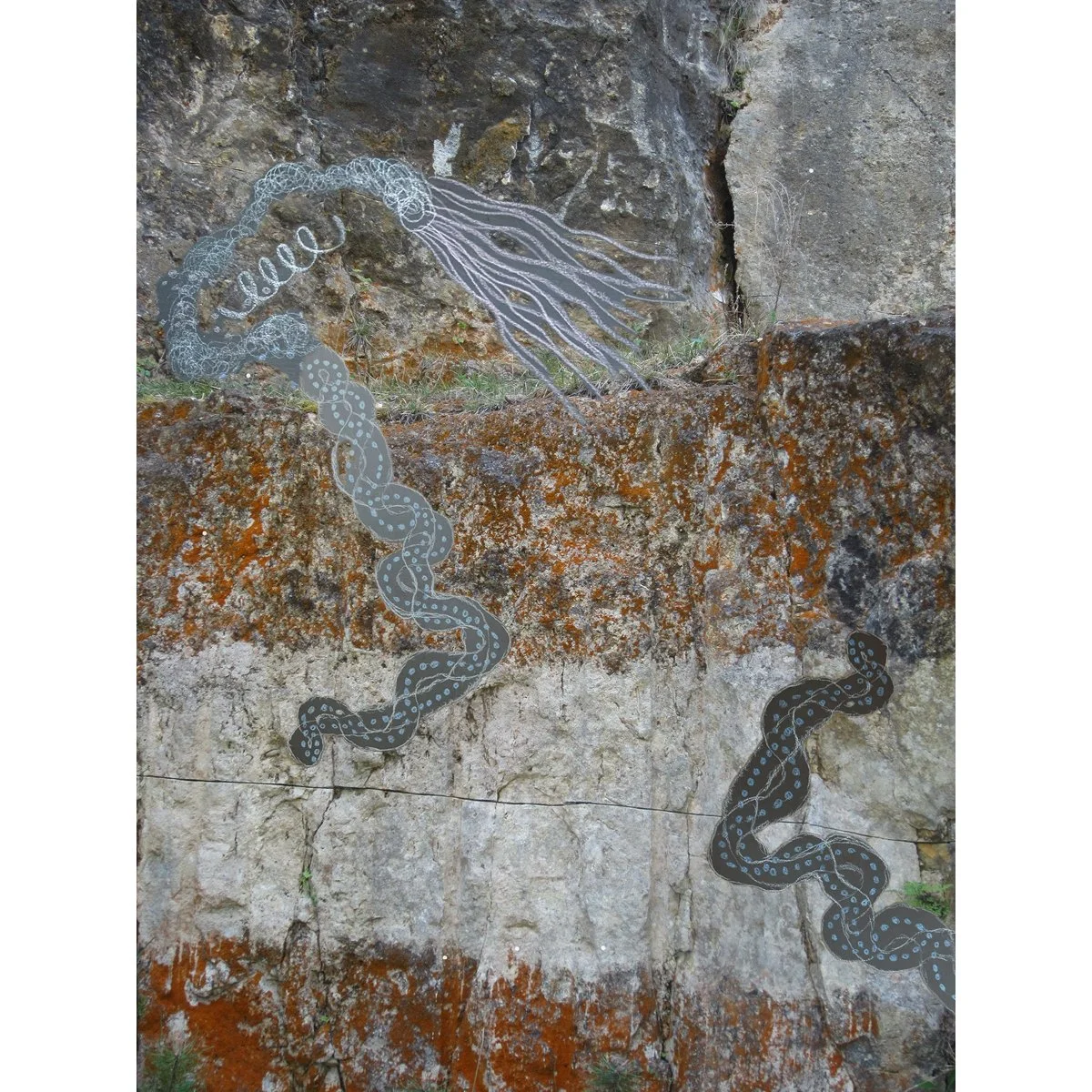
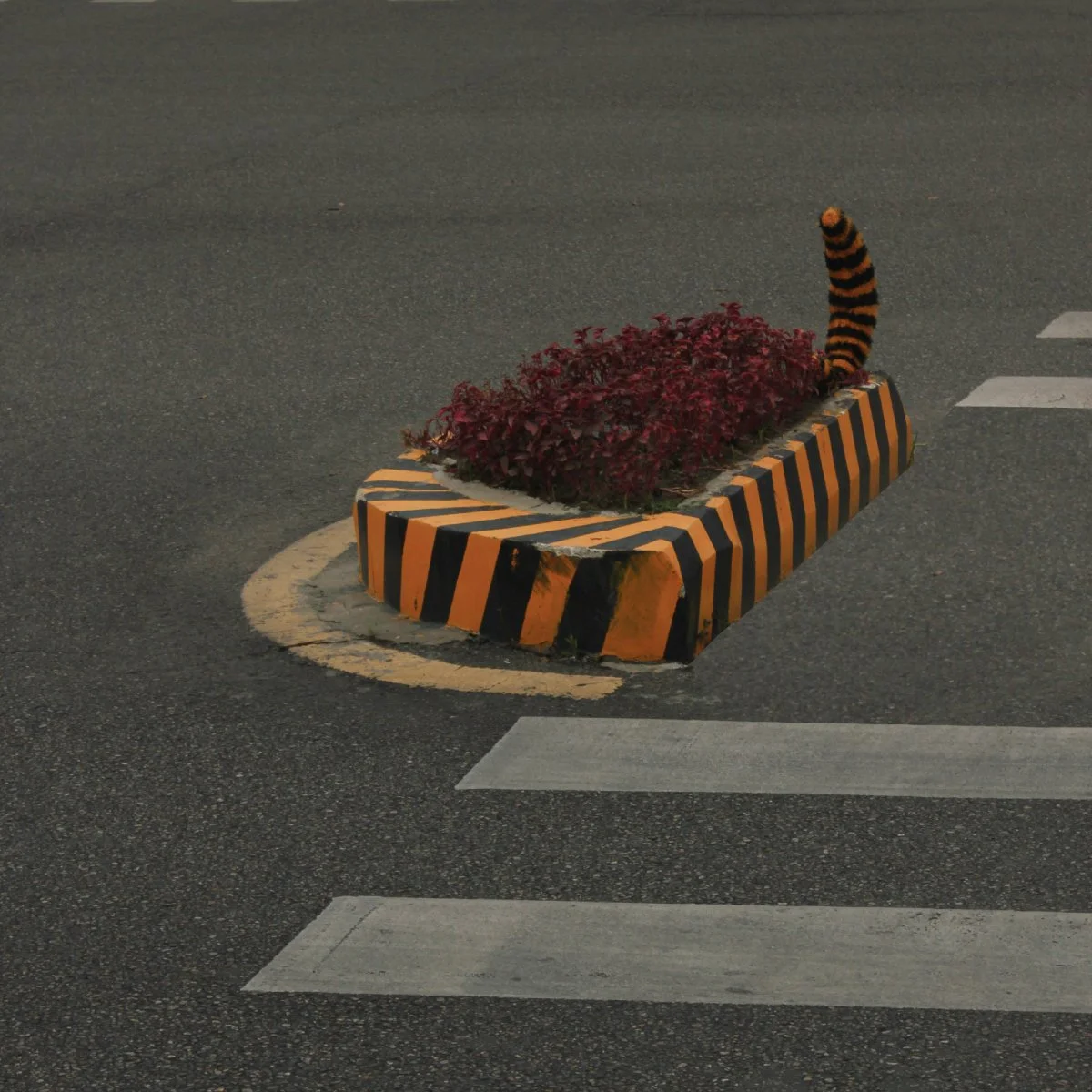
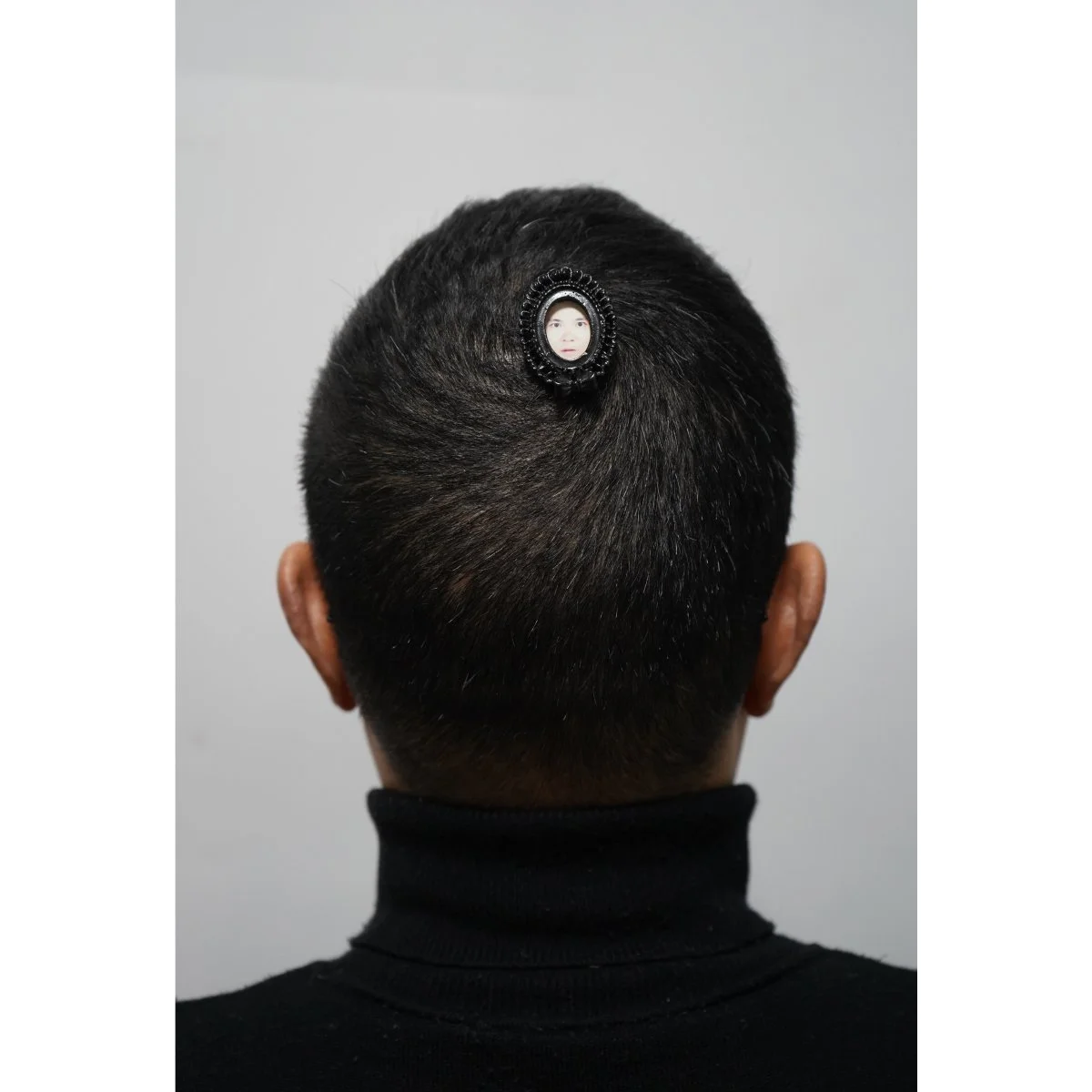
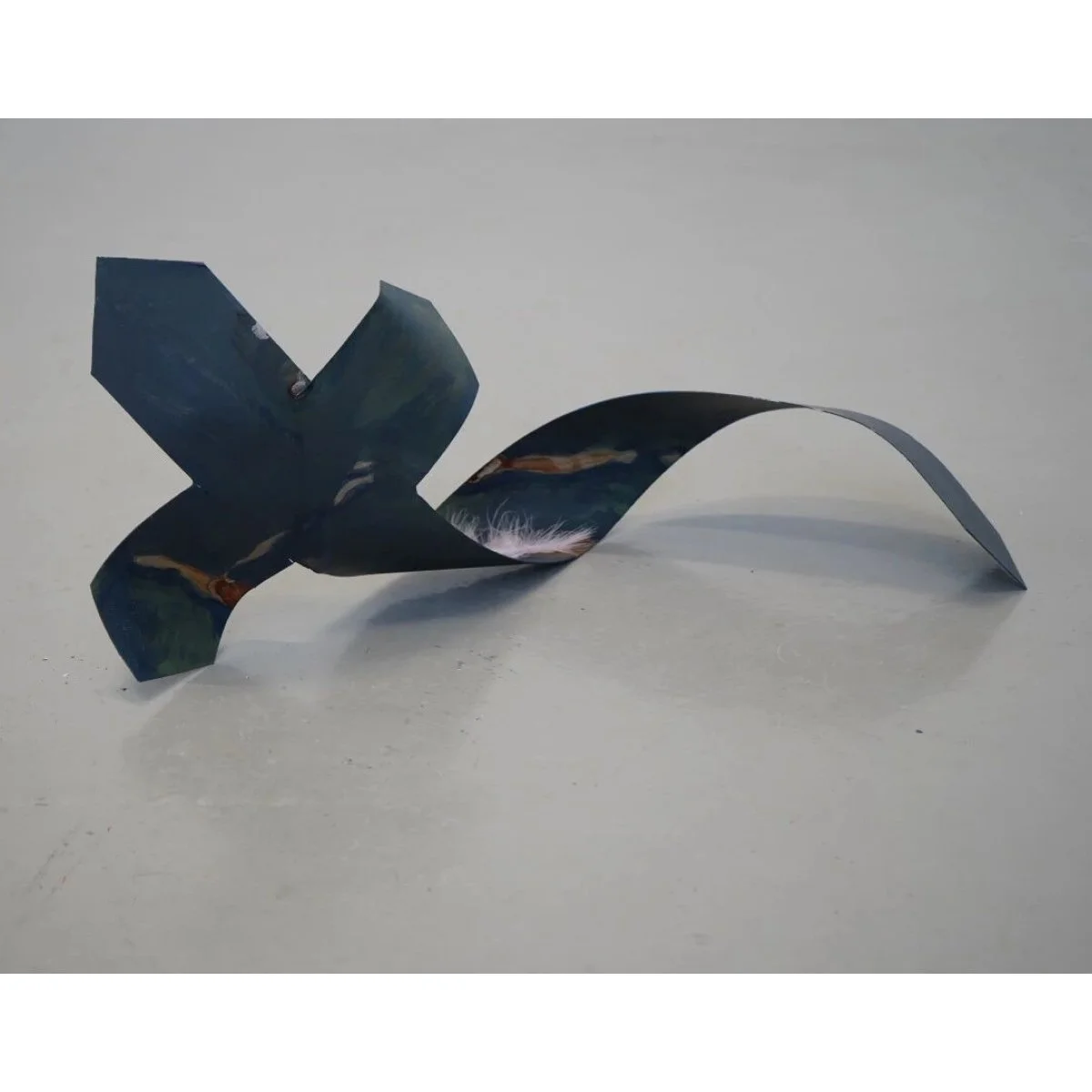
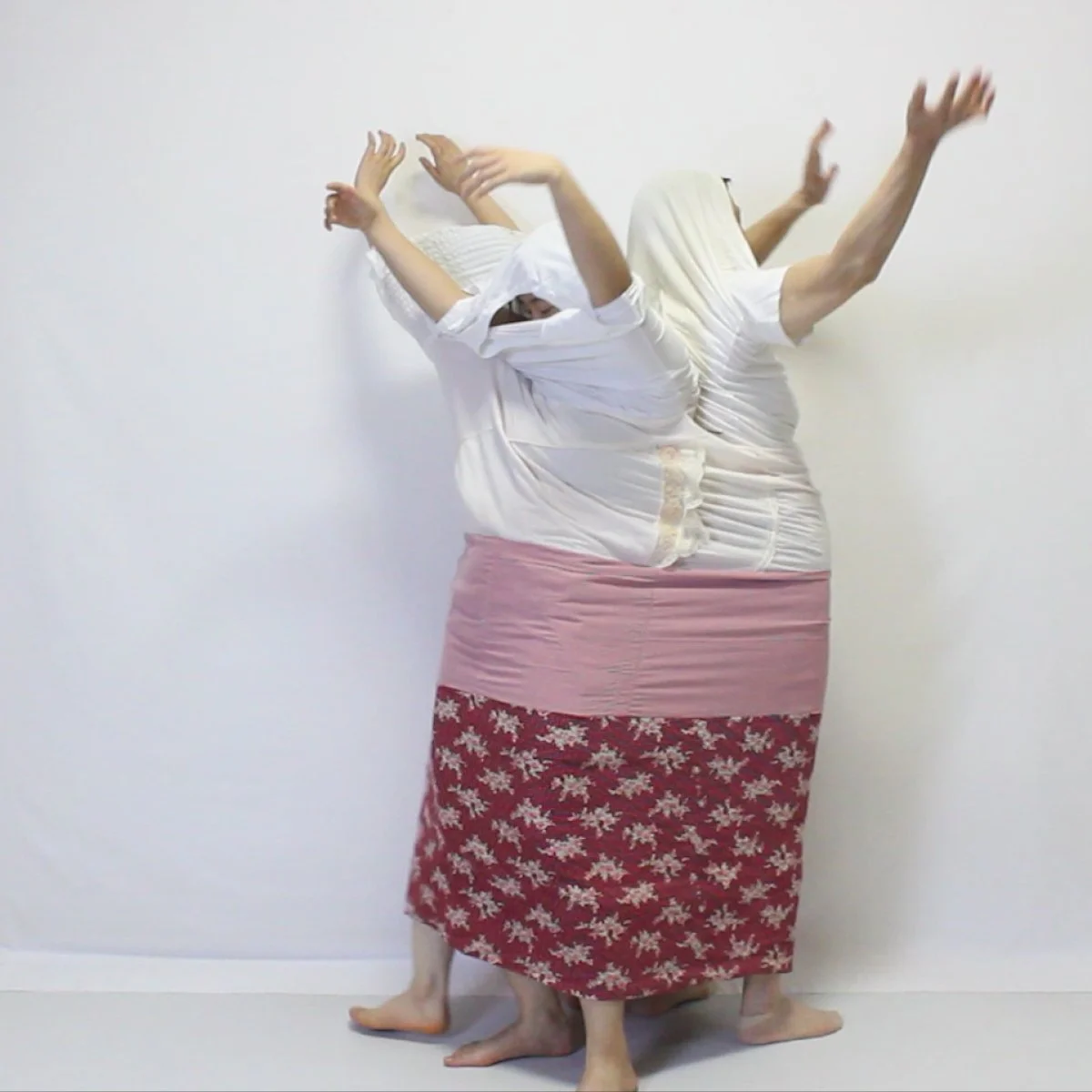
My practice spans installation, performance, sound, photography, and spatial intervention, operating as a way of constructing situations that test how perception is shaped, disrupted, and reorganized. Rather than producing fixed objects, I create temporary conditions in which space, attention, and perception become open to reconfiguration.
A central concern in my work is how perception is shaped through situated actions that slightly alter the conditions of space, relation, and communication. I am interested in how small shifts—such as the misalignment of temporal rhythms, spatial distance, and social contexts, or playful disruptions of familiar situations—can produce new ways of experiencing presence, distance, and attention.
Movement is an important condition of my practice. I work through forms of mobility that are not only geographic, but also perceptual and situational. Being in transit allows me to engage with environments as shifting fields rather than fixed contexts. In this sense, movement becomes a method of making: works often arise from encounters, detours, or temporary alignments with places, bodies, and infrastructures.
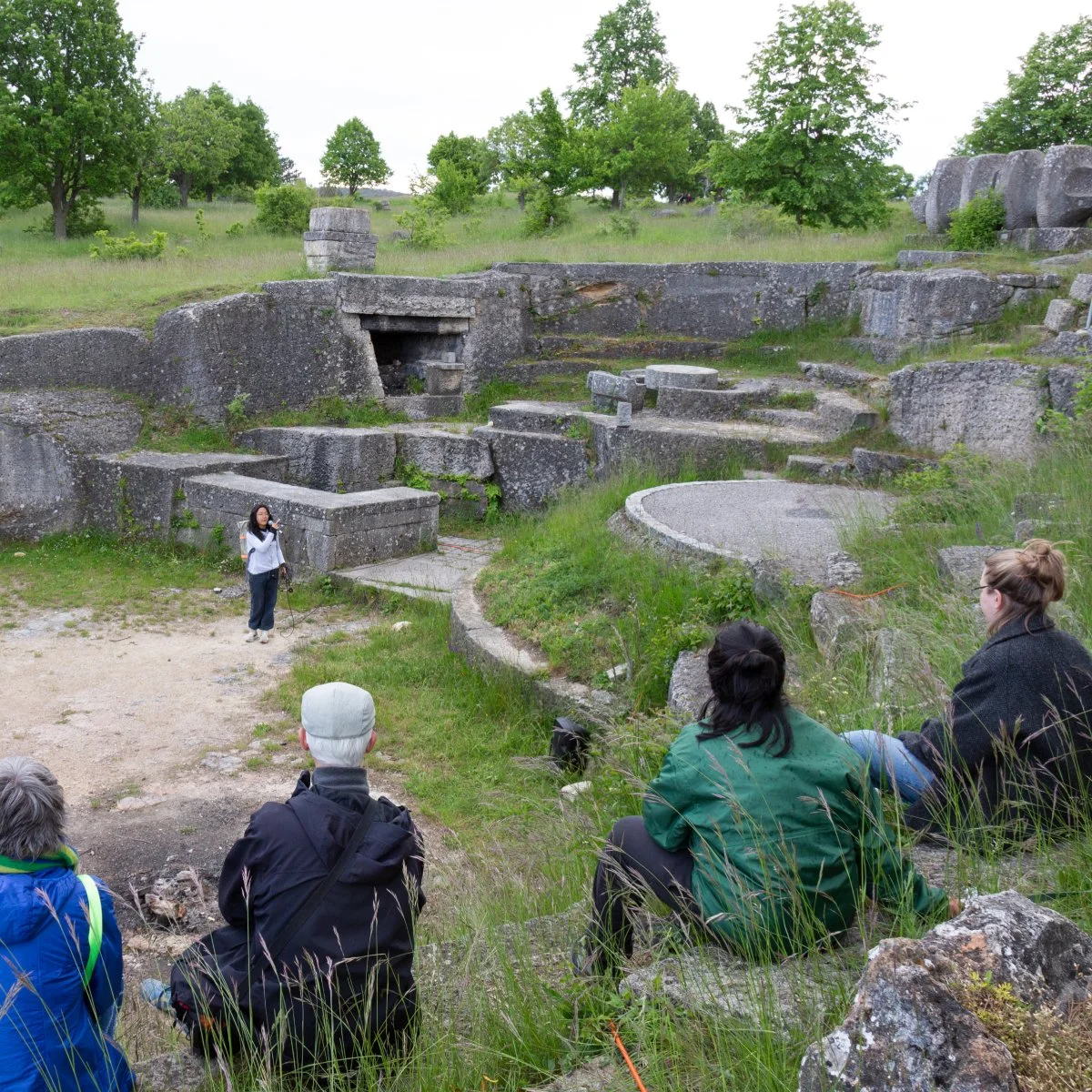
I often construct performative situations that operate between action and observation. These can take the form of participatory gestures, site-based interventions, or choreographed encounters that involve audiences indirectly or directly. Within these situations, I am interested in how ritual-like structures can emerge—not as fixed symbolic systems, but as temporary frameworks that organize attention, repetition, and embodied awareness.
Across different media, my works do not aim to resolve instability, but to sustain conditions in which perception remains open, attentive, and responsive to subtle shifts in relation. These situations foreground fragility as something that can be inhabited rather than explained.