Camil Téllez
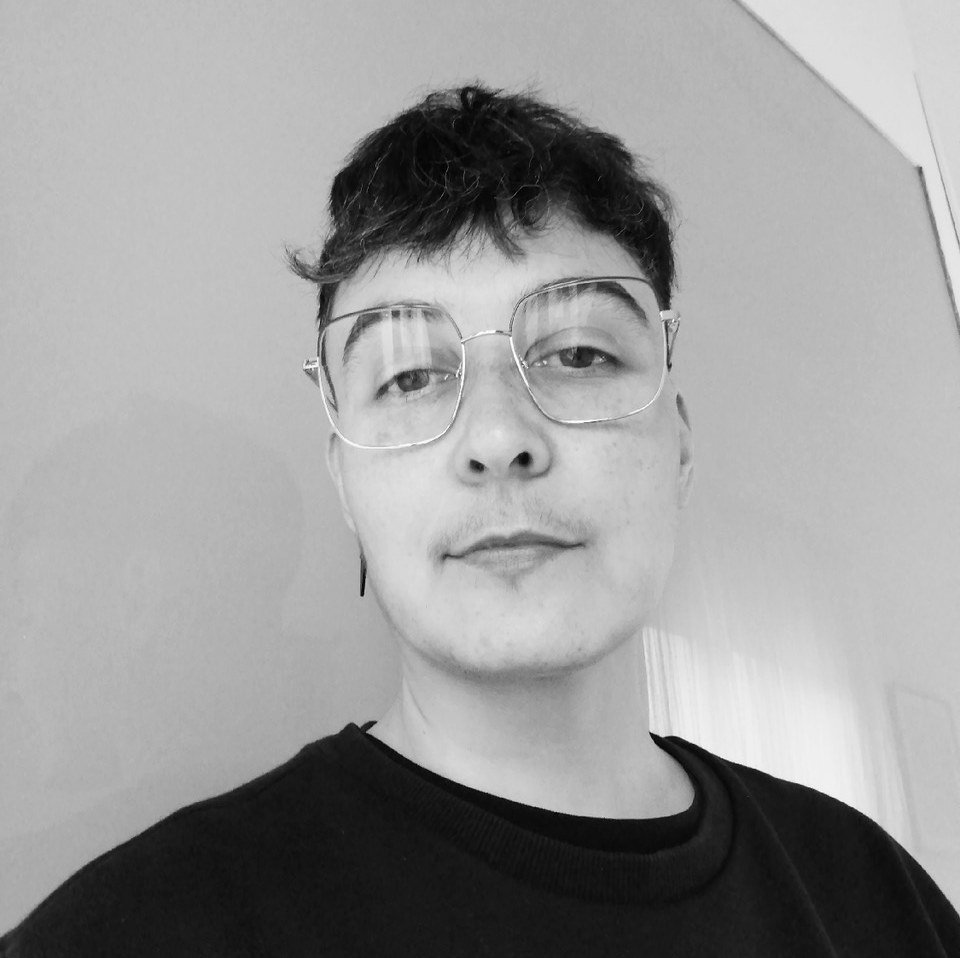
Camil Téllez /they/ (Chile – 1982)
Is a transdisciplinary artist who moves between performance, writing, and audiovisual practices. Their artistic practice is informed by their autobiography and their lived experiences, such as migration, sexual and gender based dissidence, and neurodivergence. Recently arrived to Vienna after living in Bilbao for eleven years. They studied Visual Art in Santiago de Chile (2004) and after that, they specialised in Scenic and Performative Practices in Reina Sofía Museum, Madrid (2013). During their years in Chile they taught Drawing and Art Theory for eight years in the same university they graduated from. They have developed their work mostly between Chile and The Basque Country, creating an art practice strongly focused on collaboration with other artists.
“(...) so I live between my body memories from the telluric piece of earth between Los Andes and the Pacific Ocean and the places I have decided to stay throughout my life. ”
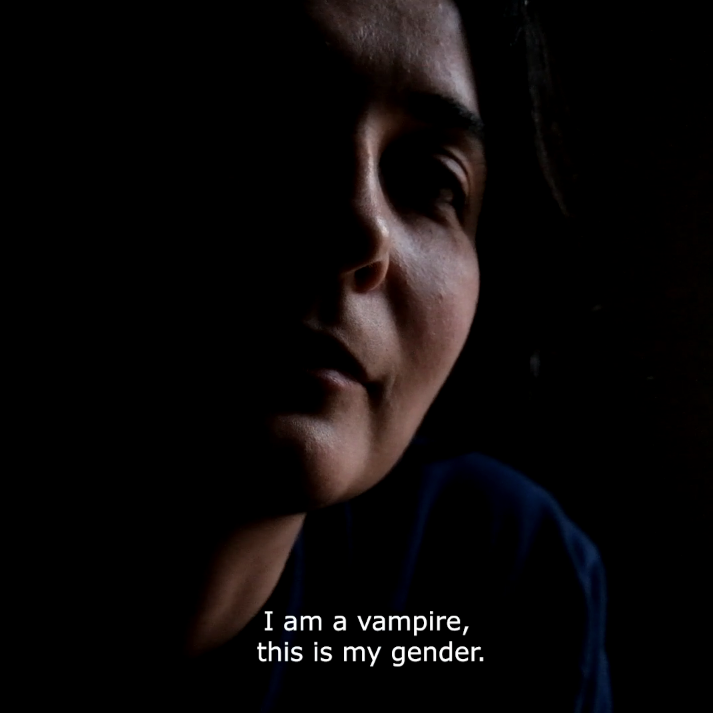
I am a transdisciplinary artist who migrated from Chile since a while, so I live between my body memories from the telluric piece of earth between Los Andes and the Pacific Ocean and the places I have decided to stay throughout my life. In my recent artistic work I investigate through autobiography, traces of body memories like my childhood in dictatorship, my non-conforming gender and their connection with migration and inhabitance. I’m approaching these topics embodying different expressions of my fluid identity in connection with the transitionary spaces I have inhabited. This is a slow process of understanding myself and the surrounding with the hope to dissolve the distance of my particular neurodissident body in relation to others, whether it is an audience or the public in different proposals for the mediation of places, circulating between performative, textual and audiovisual practices. In this way I create fictional characters or spaces in which queer subjectivities as mine may feel reflected. For instance, I searched in my memory to reenact the vampire character I had created in my childhood who saved my queer self-expression, or I researched deeply for intergenerational archives to embody the figure of the poet Gabriela Mistral from the beginning of the 20th century as a referent for LGBTQ+ individuals in connection with migration, territory and my own experience of displacement.
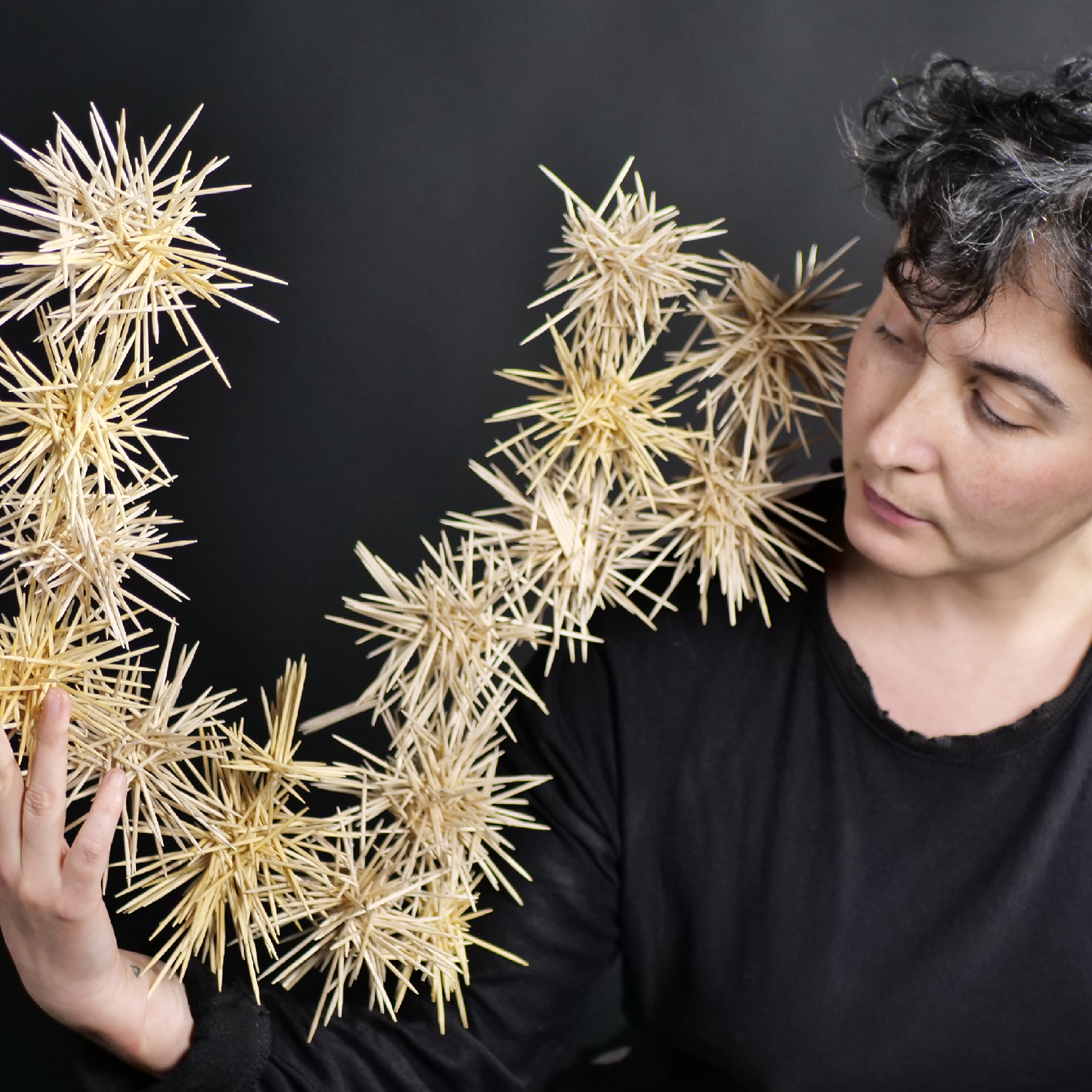
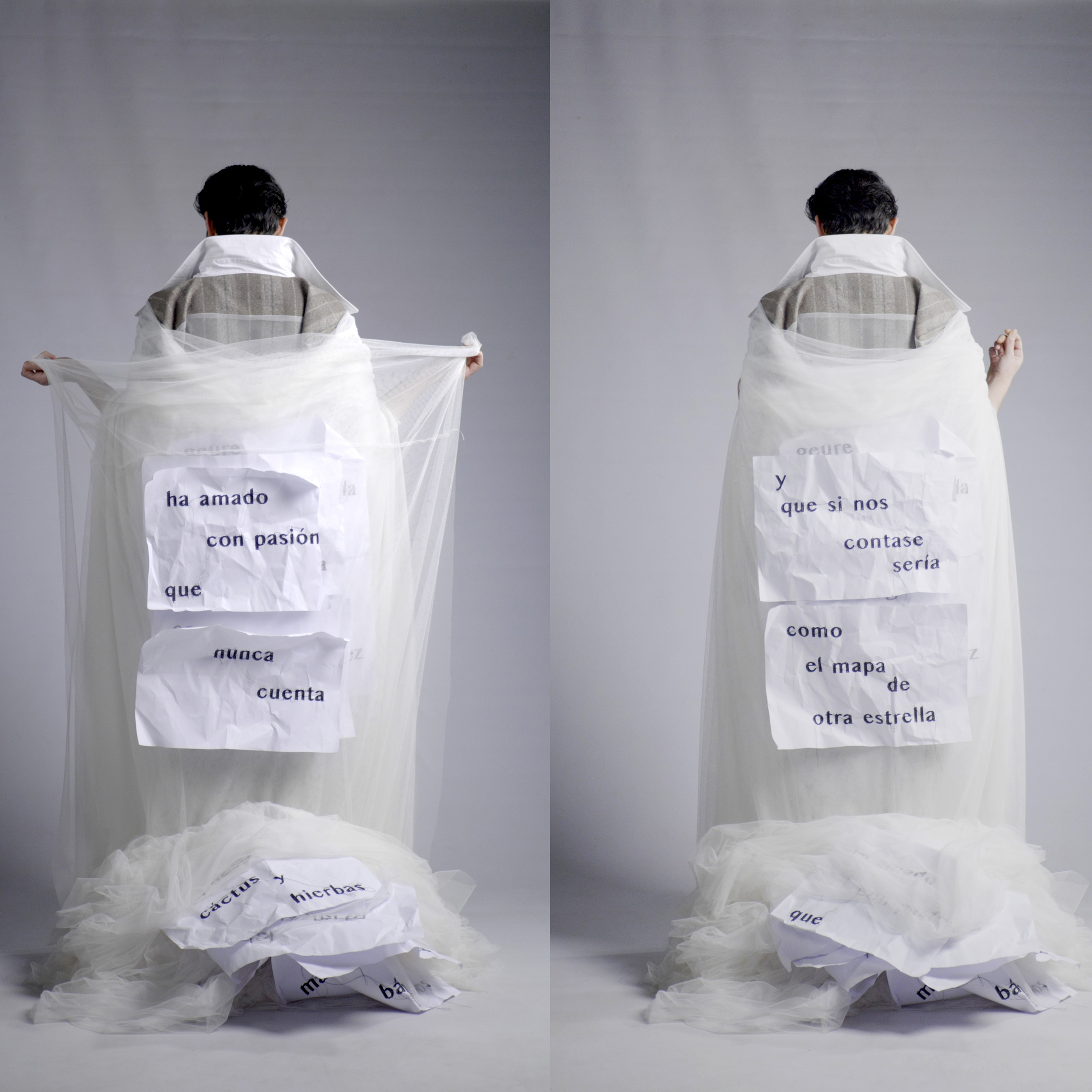
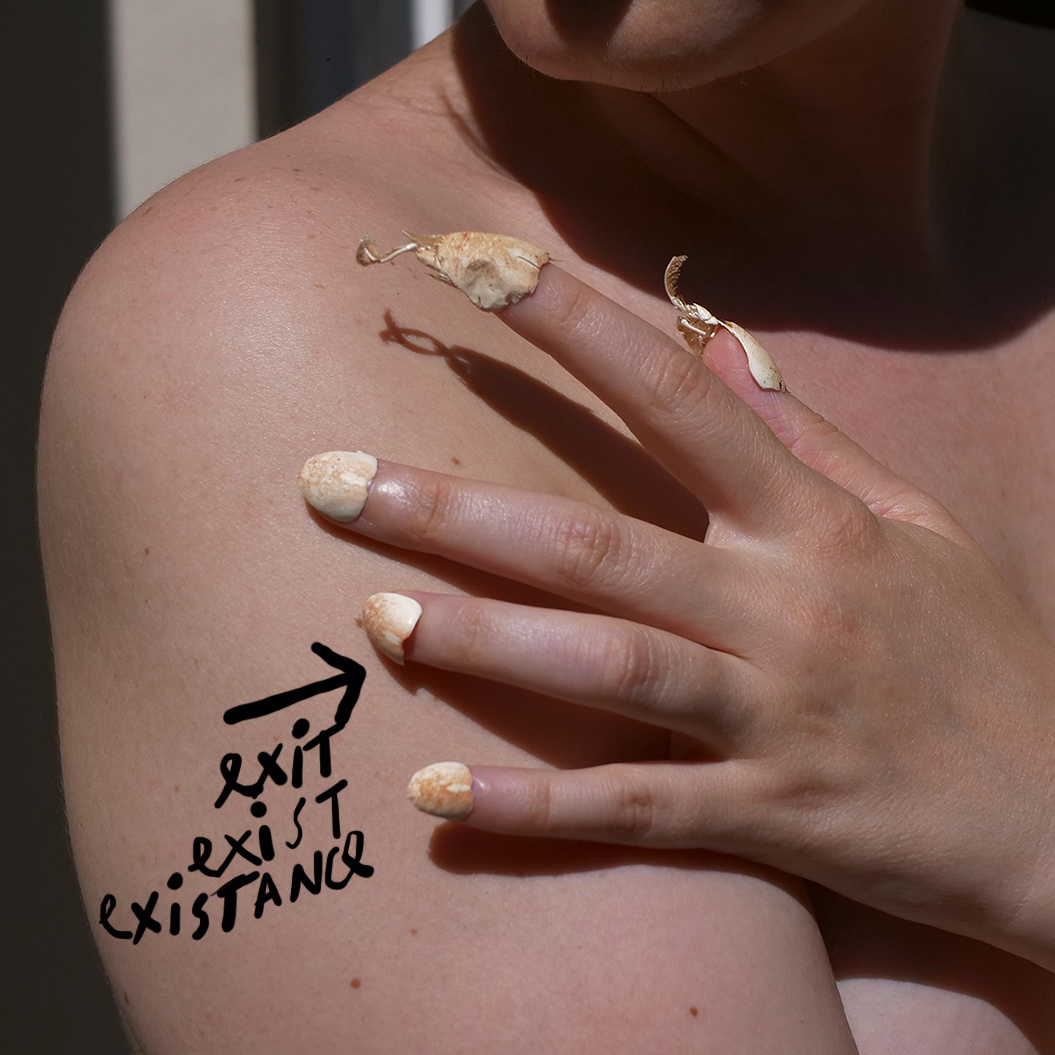
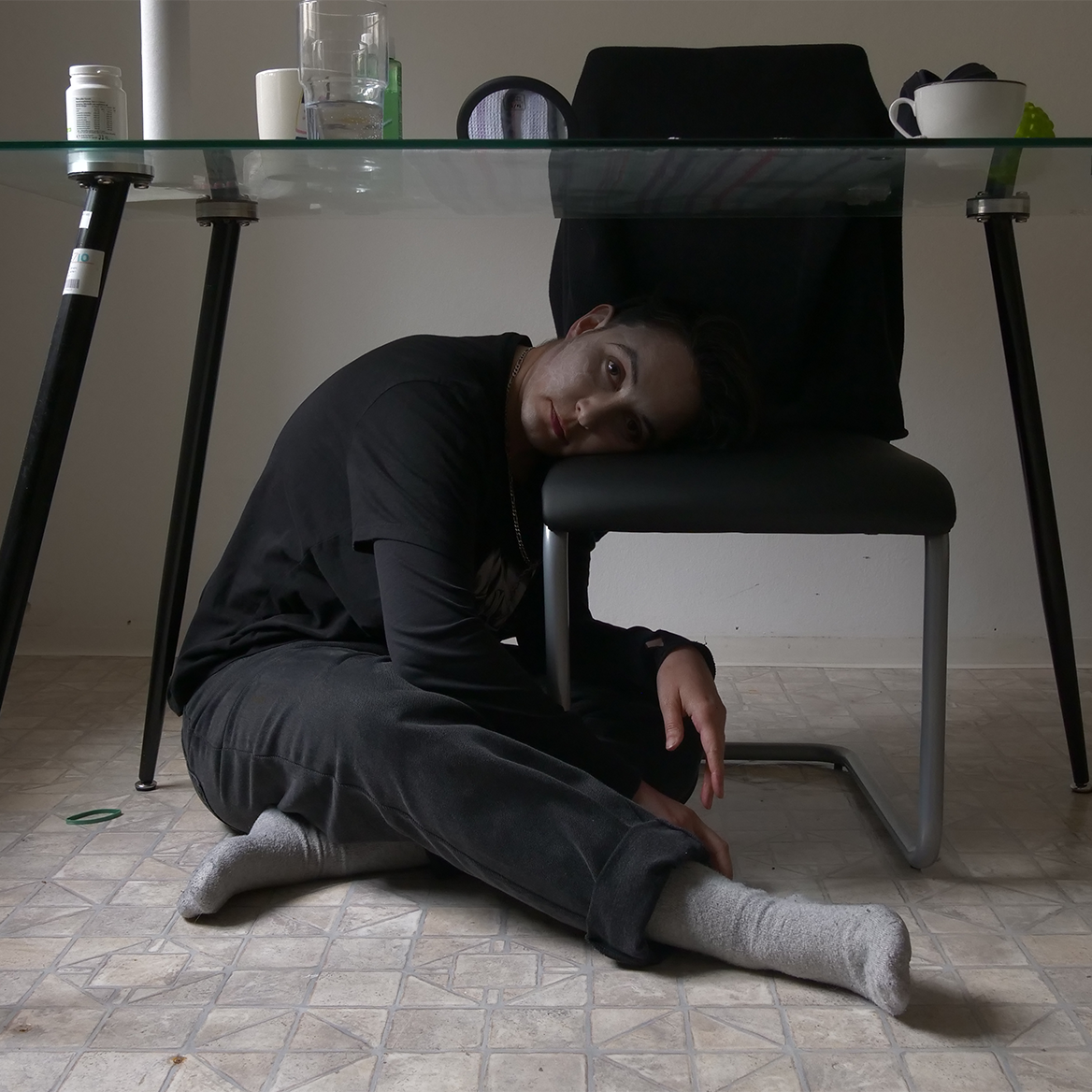
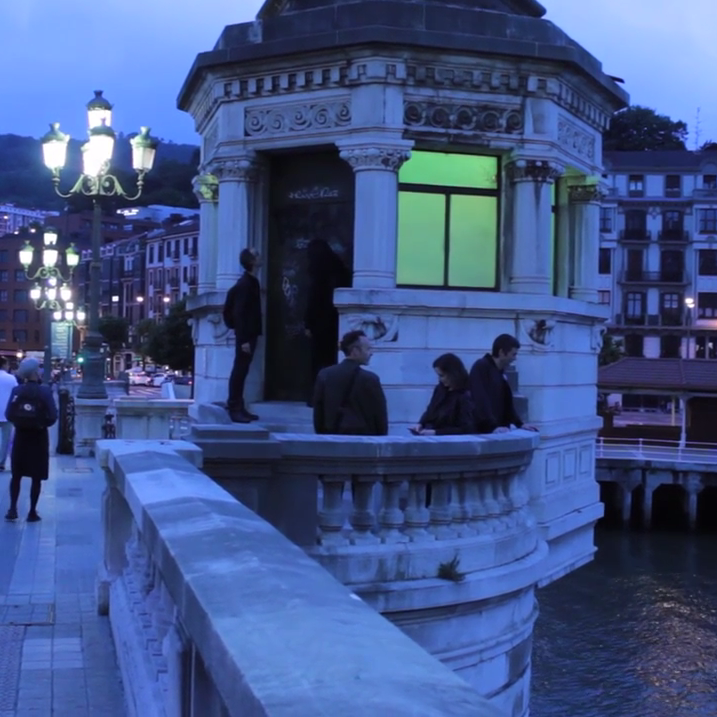
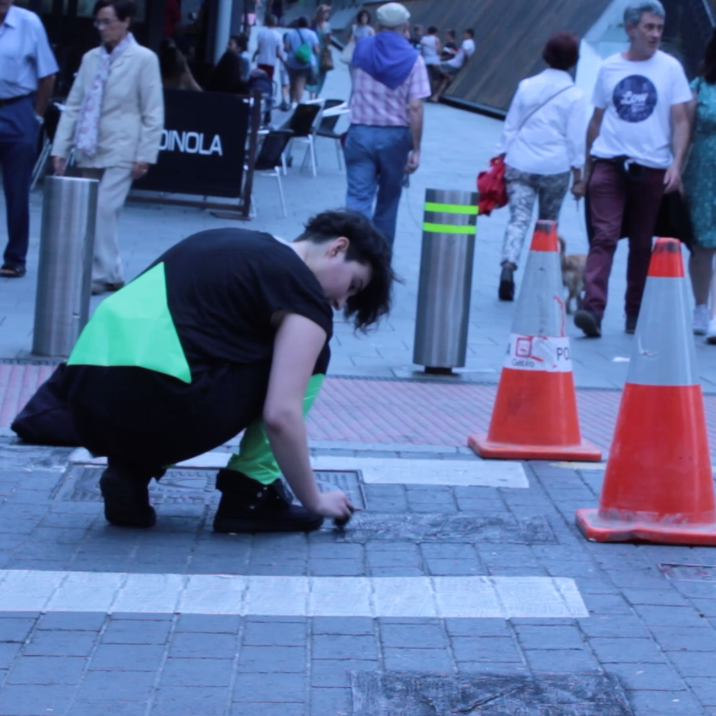
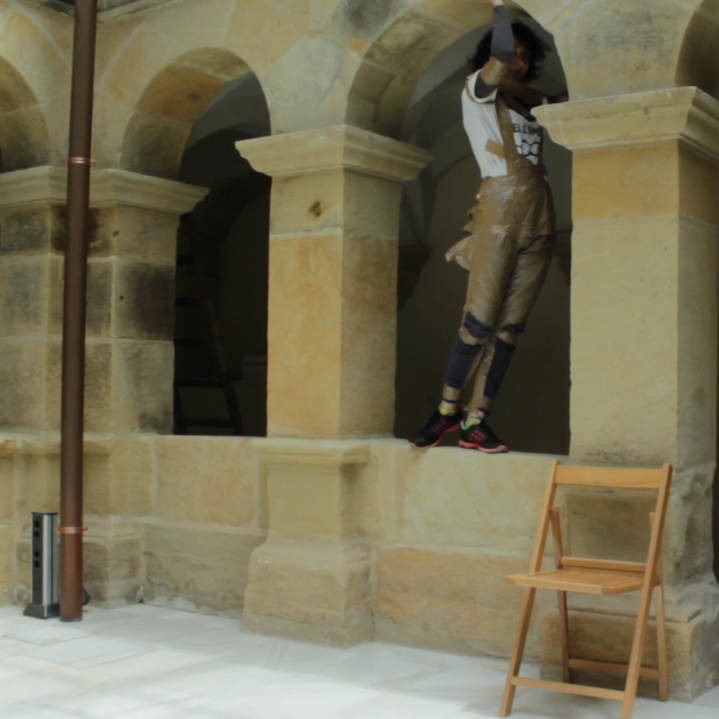
In practice my work may take form of live performances for audiences through simple gestures that endure over time. In other cases, these performances avoid a live audience to take a video-performance or photographic format in which the body explores improvisation while the camera explores repetition and edition. The inclusion of small prostatic or transitory objects like fangs, cloths, texts, drawings, organics, etc., is more frequent in my recent works. These objects attempt to create bounds within memories, specific locations and the present, assembling possibilities were bodily expressions might escape conventions finding their own singularity. Currently, I am re-reading my artistic work from a neurodivergent perspective in order to understand aspects of it that were not visible to me before, such as tactile elements, weights and textures that guide my body through space, or the possibility of stimming as a choreographic element that can accommodate my physical presence within the performance.